


search
date/time

Sun, 1:00AM
clear sky
8.4°C
WNW 11mph
clear sky
8.4°C
WNW 11mph
 | Sunrise | 6:22AM |
| Sunset | 5:20PM |  |
P.ublished 1st April 2023
family
Baking Myths Debunked
.jpg)
Photo by Sincerely Media on Unsplash
Because of this, baking is shrouded in misconception and mystery that holds many of us back from making the perfect sweet treat, out of fear of not baking it correctly.
All bakers care passionately about getting every step exactly right and are eager to impress with each new recipe. With this in mind, the UK’s online cake manufacturer, Sponge.co.uk, has compiled a list of the most common ‘baking myths’ – revealing which myths are ‘true’ and which are ‘false’. Ultimately separating the fact from the fiction once and for all.

For any novices, using salt in baking will sound absurd, especially when making sweet treats.
What many do not know is that salt is an integral part of the baking process and it is indeed a myth that you will not need salt when preparing a sweet bake – for example a chocolate cake dessert. Adding a pinch of salt, whisked into a dough, batter or base, will actually help accentuate the others flavours in bakes such as cake batters, tarts, cookies and custards.
Salt also serves both a practical and aesthetic purpose when baking bread. Salt slows down fermentation by dehydrating yeast, giving the rising dough enough time to form gluten. Dough without salt could potentially rise too fast in the oven and then ultimately collapse before you’ve even served the bread.
It is clear then, any amateur baker ‘worth their salt’ should be incorporating this key ingredient in their next baking session.
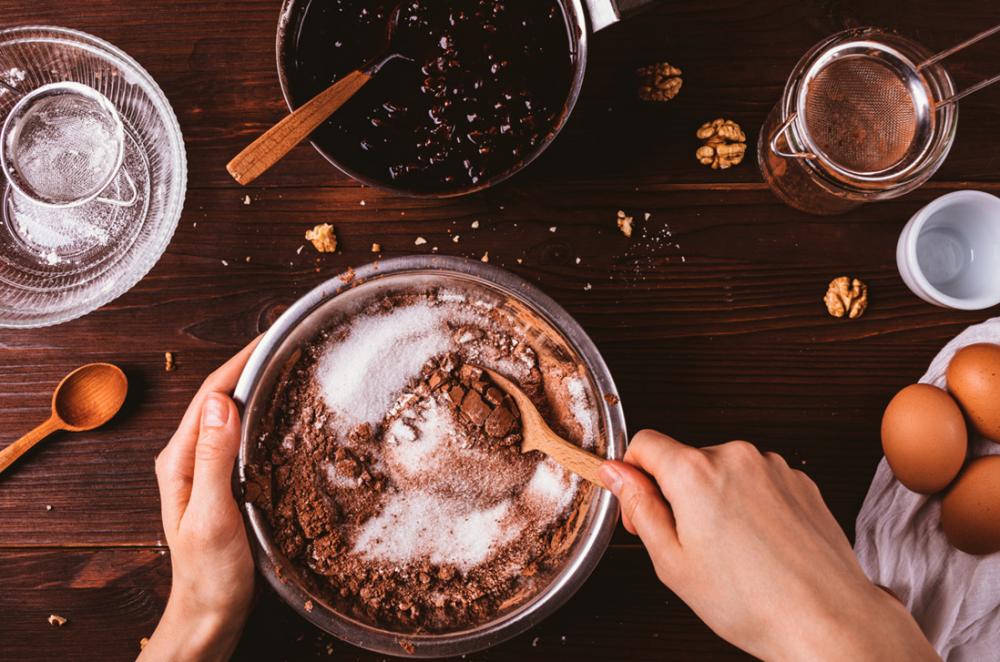
Sugar is an under-valued ingredient in baking, in that it does so much more than just ‘add sweetness’.
In fact, in all or most baking recipes, sugar offers a number of benefits crucial to delivering the perfect bake. Sugar is ‘hygroscopic’, meaning it has a tendency to attract and hold onto water molecules. It is this characteristic of sugar that helps to keep baked goods moist.
When water combines with the protein found in flour, you get gluten, which helps provide structure and chew to baked goods. But too much of that can potentially ruin the overall texture and taste of the bake. Add sugar during the mixing process, however, and the sugar will absorb some of the liquid in a dough or batter, preventing further gluten from forming.
Not enough sugar in your recipe ruins the moisture, resulting in drier baked goods. It is clear then, that sweetness is just one of the benefits to having sugar in your baking recipe.
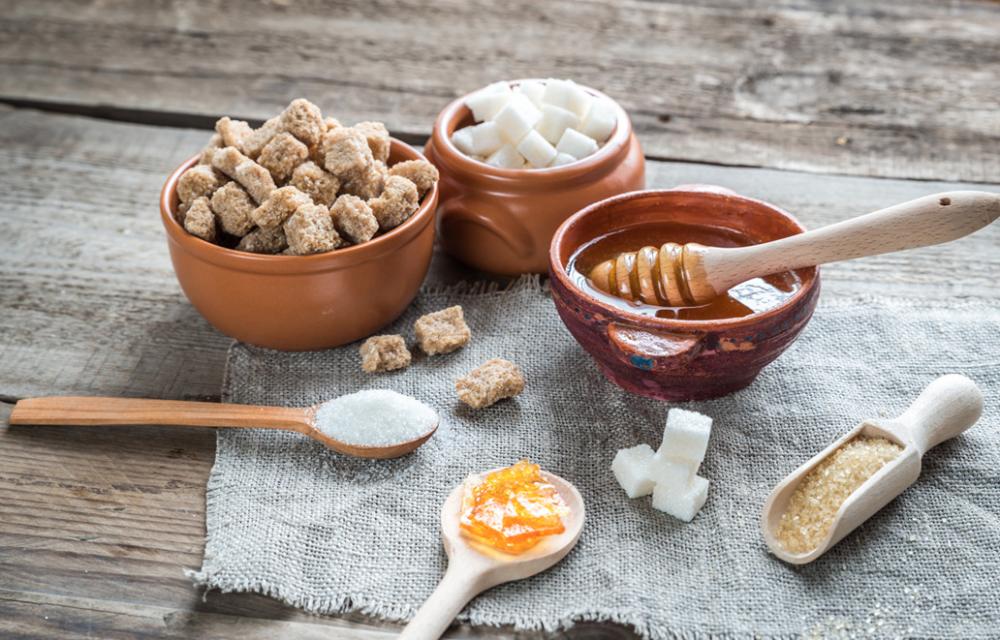
As discussed already, sugar is at the centre of most baking recipes and adds so much more than just ‘sweetness’.
Despite this, a lot of people believe that many variations of sugar are interchangeable, such as caster sugar and granulated sugar. However, you should know that different sugar creates different results. For instance, if you’re baking cookies and want the product to be firm, then consider using caster sugar as it creates a setting effect, giving those lucky enough to enjoy them a ‘snap’ when they bite into it. If you want a chewy texture, bake using soft brown sugar for a tougher finish.
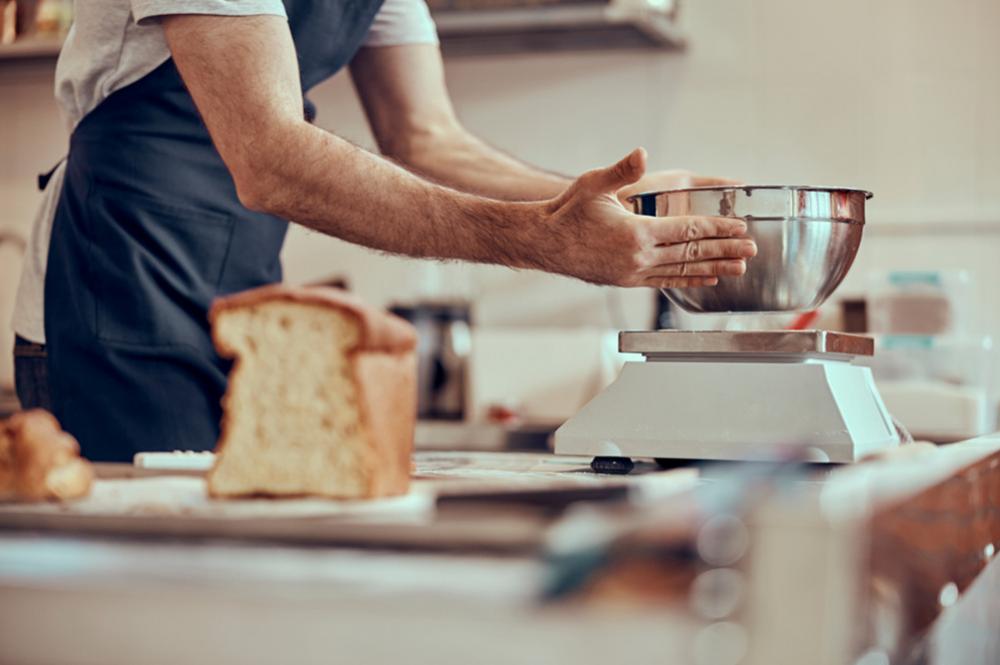
We’ll say it again - baking is a science as much as an art form. Baking is quantitative, meaning the value of every measurement when creating a recipe should be followed, or risk ruining the texture, taste or appearance of the final product.
‘Approximate’ measurements are far too risky when trying a recipe for the first time. As you become more and more confident with baking a specific recipe, only then should you feel brave enough to ‘mix it up’ if necessary to maximise the flavour, but do proceed with caution!
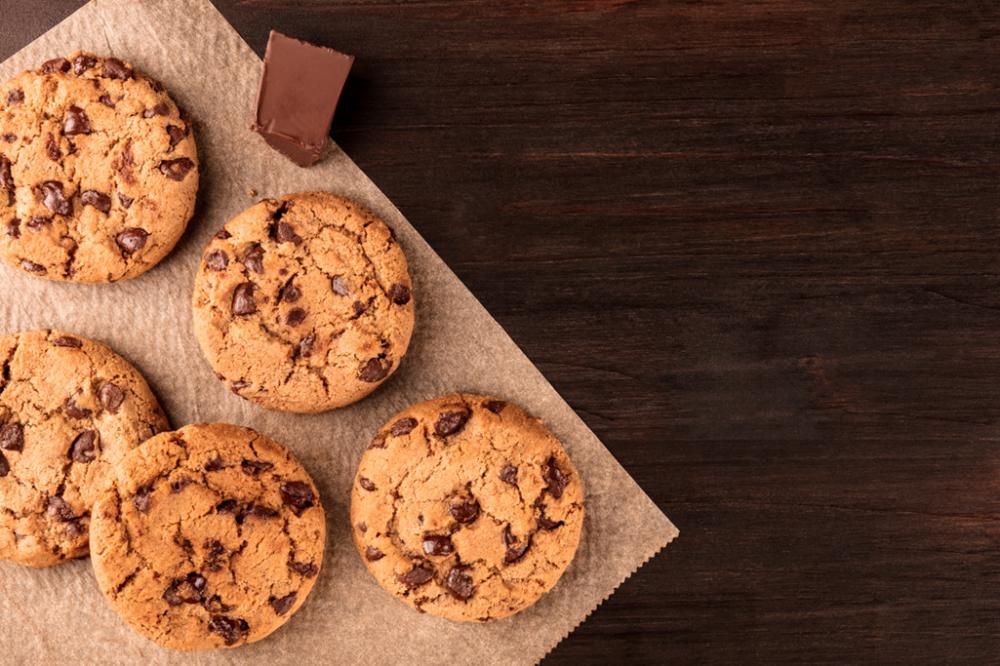
Yes, of course you can bake cookies directly on a pan and the end result will still be satisfactory. However, for the best results we would recommend using parchment paper to ensure a uniform and mess-free bake.
Baking directly on the pan will turn the bottom-side of the dough a darker colour, potentially burning the mixture and impacting the overall taste. As people embrace more ‘greener’ methods of cooking, also consider using a silicone baking mat where appropriate, as this is recyclable.
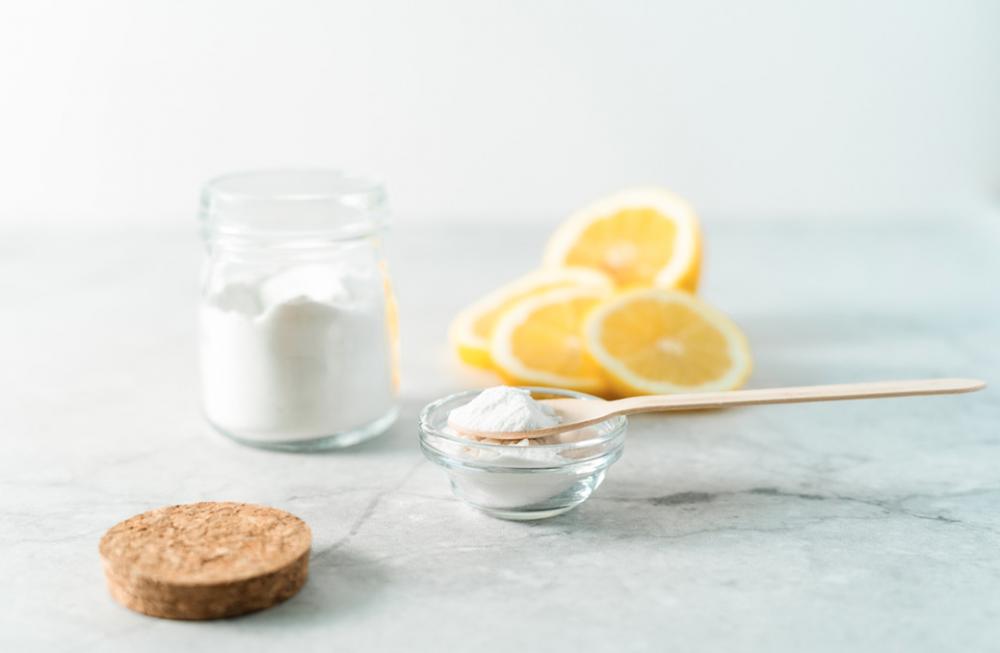
This may surprise some bakers, but some believe that some of the core ingredients when baking, such as baking powder and baking soda, don’t ever go out of date.
This is categorically untrue. Most powder baking products are only good for a year or so, after which its quality gradually decreases. To test its quality, simply mix a spoonful of baking powder and mix it with a glass of water. If you see bubbles - it is still effective and good to use in baking.
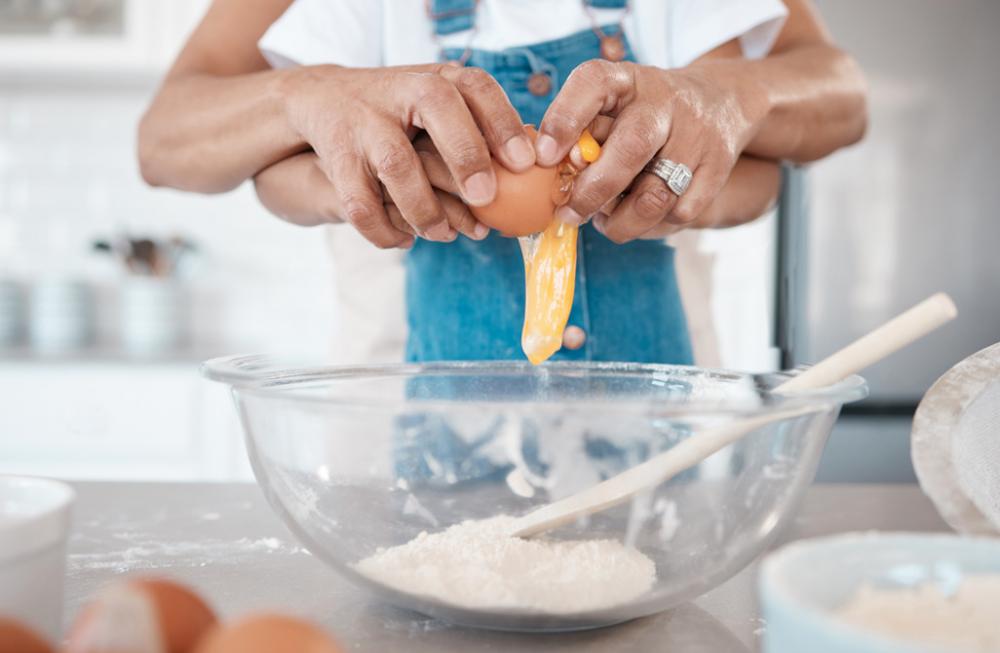
Surprising to many, this is actually true!
Simply fill a bowl with cold tap water and place the ‘suspicious’ eggs in it, still in their shells of course. If the egg sinks to the bottom and lays flat on one side, it is fresh and good to eat. If the egg floats, then it is off. This is because when eggs go bad, the large air cell forms at its base, causing it to float when added to water.
Worth noting that the best way to know if an egg is still good, is by the ‘best before’ date clearly stated on the packaging.
If you’re looking to save yourself the hassle of baking, as well as money, why not try one of Sponge.co.uk’s delicious sweet treats, with an extensive range of gluten-free, dairy-free and vegan options available for next day delivery.
For more information click here
The shortened address for this article is: newspub.uk/01jxx