


search
date/time

Sat, 4:00PM
moderate rain
9.8°C
SSE 20mph
moderate rain
9.8°C
SSE 20mph
 | Sunrise | 6:48AM |
| Sunset | 4:48PM |  |
P.ublished 24th October 2026
lifestyle
Black Mould In Student Accommodation: Property Care Expert Shares Advice For Students On How Best To Deal With It
However, for many first-year students, living away from home also brings unexpected challenges, including dealing with damp and black mould.
Purpose-built student accommodation can be particularly susceptible to condensation, which creates the ideal conditions for mould to develop. With limited ventilation in some bedrooms and en-suite bathrooms, moisture can quickly build up, leaving students struggling to keep their living spaces clean and healthy.
Here, George Edwards, CEO of Timberwise, the UK damp and timber preservation specialist, highlights the importance of understanding the causes of black mould and taking the right steps to prevent it from returning.
Why is black mould common in student accommodation?
Condensation is one of the most common causes of damp and mould in student accommodation. Everyday activities, including showering, cooking, drying clothes and even exercising, release moisture into the air.
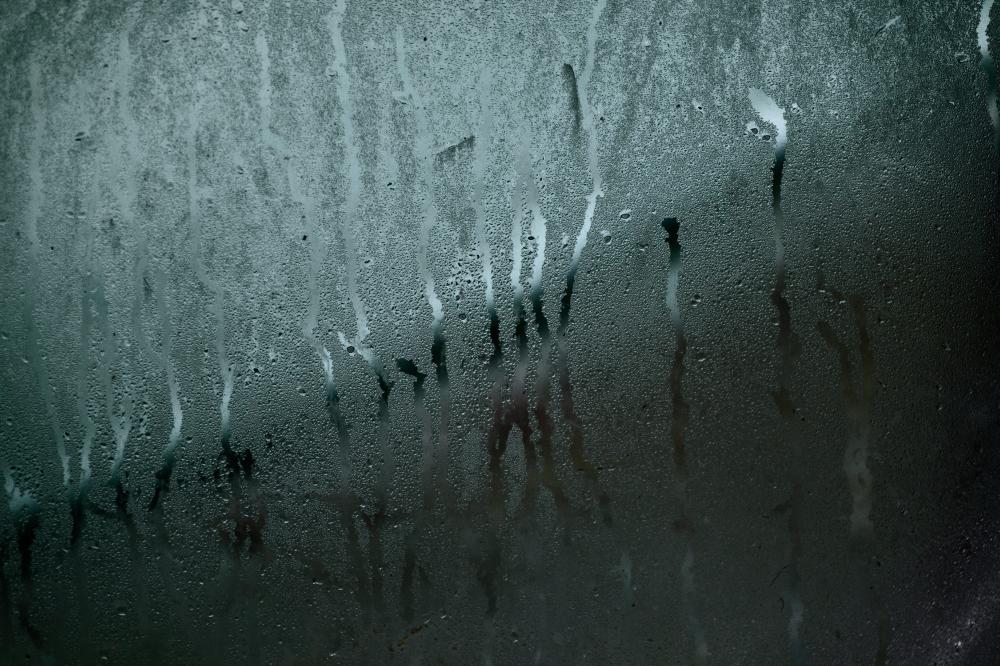
Photo credit: Pexels
The layout of student accommodation can make the problem worse. Bedrooms are often relatively small, with restricted-opening windows and en-suite bathrooms that rely on extractor fans to remove moisture.
George Edwards explains why tackling the underlying cause is essential.
“Condensation can quickly become a problem in student accommodation, particularly where space is limited and ventilation is restricted. Removing visible mould is only part of the solution. Students also need to understand where the moisture is coming from and take steps to prevent it building up in the first place.”
How can students prevent condensation?
Although students may have limited control over the design of their accommodation, there are several practical measures they can take to reduce moisture and minimise the risk of mould.

Photo credit: Republica
Where facilities allow, drying clothes in a tumble dryer rather than on radiators or indoor clothes racks can also help limit humidity.
Ventilation remains particularly important. Opening windows when cooking or showering, where possible, helps humid air escape. Students should also use bathroom extractor fans and leave them running for a while after showering to remove lingering moisture.
Improving airflow between rooms can also make a difference. Where appropriate, opening a bedroom door alongside a kitchen window may help create a through-draught that carries humid air outside.
For students experiencing persistent condensation, a dehumidifier may provide additional support by removing excess moisture from the air.
However, if condensation continues despite these measures, it is important to investigate whether other damp issues could be contributing to the problem.
What should students do if black mould appears?
If mould develops, students should address the moisture problem as well as cleaning the affected area. Otherwise, the mould is likely to return.
For small areas of mould, an appropriate mould treatment product may help remove visible growth. Students should always follow the manufacturer's instructions, ensure adequate ventilation and use any recommended protective equipment.
Black mould should not be ignored, particularly if it spreads or repeatedly returns. Exposure to damp and mould can contribute to respiratory problems and may aggravate conditions such as asthma.
“Prevention is always better than repeatedly treating the same problem,” says Edwards. “If mould keeps returning, it is important to look beyond the visible patches and identify the underlying cause. Persistent damp should not simply be accepted as part of student life.”
When should students contact their accommodation provider?
If mould persists despite reasonable efforts to control condensation, students should contact their university accommodation office or landlord.
Keeping a record of the problem can help. Students should photograph affected areas, note when the mould appeared and document the steps they have taken to address it.
This information can help the accommodation provider assess the issue and determine what remedial work may be necessary.
Ultimately, students should not have to live with persistent damp and mould. By taking preventative measures, recognising when a problem requires professional attention and reporting recurring issues promptly, they can help protect their living environment and wellbeing.
The shortened address for this article is: newspub.uk/021fi