


search
date/time

Tue, 10:00PM
scattered clouds
14.8°C
WNW 21mph
scattered clouds
14.8°C
WNW 21mph
 | Sunrise | 5:24AM |
| Sunset | 6:39PM |  |

Sharon Cain
Lifestyle & Travel Editor
P.ublished 24th January 2026
travel
Checks And Tips For Your First Motorhome Trip
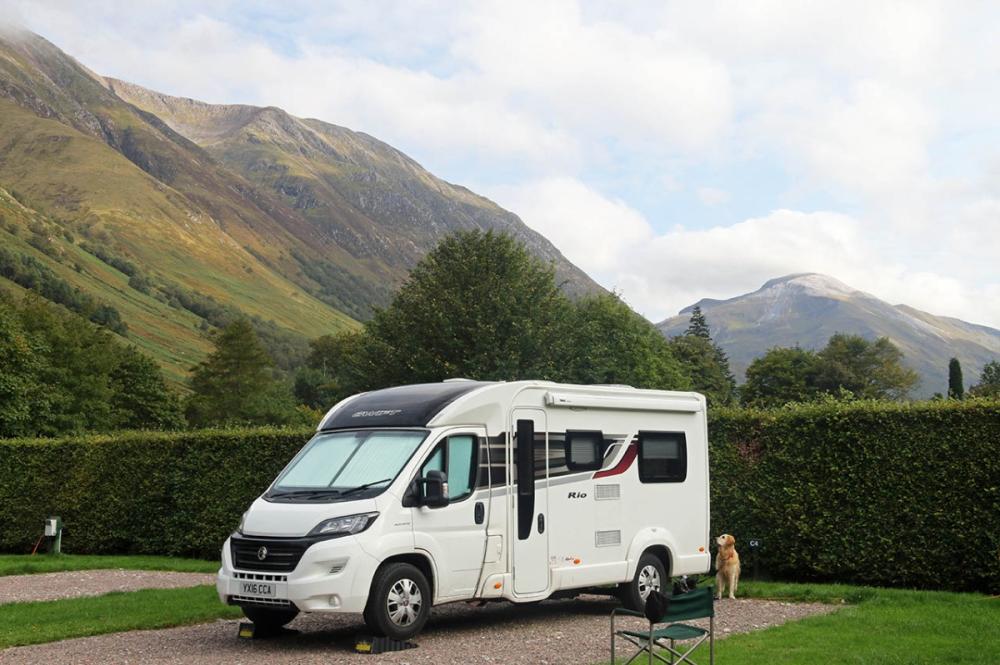
Motorhome magic: Ben Nevis campsite Images by Steve Hare
Previous articles have included finding out if motorhoming is right for you along with important practical decisions such as deciding what make and model to choose.
As the popularity of this form of travel - whether in campervans, motorhomes or the ultra large coach type vehicles - continues to rocket in 2026, our Lifestyle and Leisure Editor Sharon Cain, and Photographer Steve Hare, share planning tips for your first trip.
Setting The Wheels In Motion
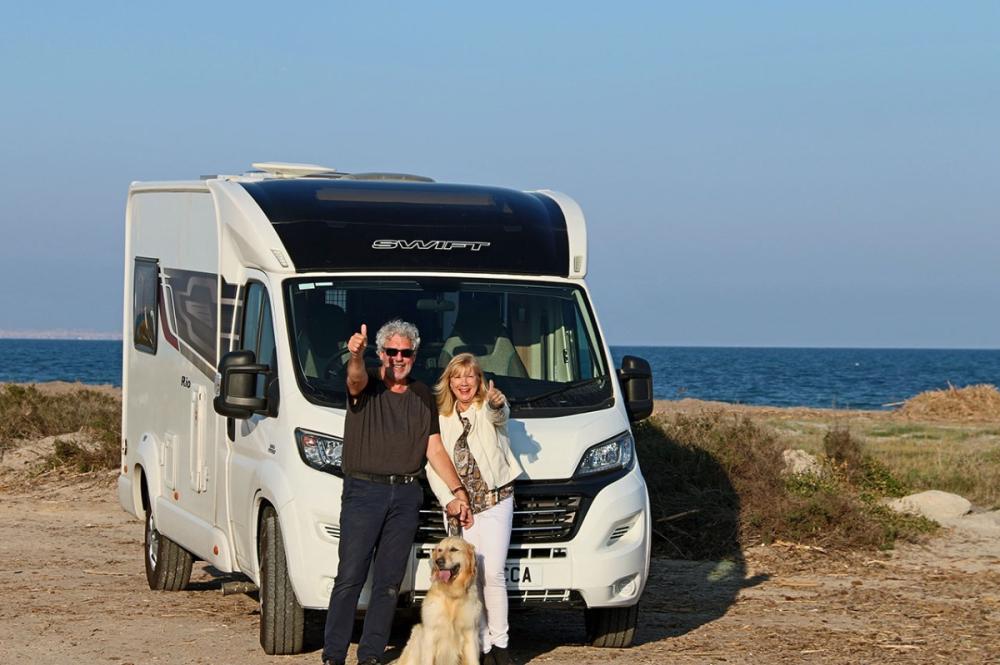
Intrepid campers: Steve, Sharon and Bracken
If this is your first venture, ask yourself: “Am I comfortable driving a six meter plus, possibly expensive, mobile home?” or are you, like us, more nervous. As you may have read in our previous articles, we started off with a two berth vehicle and then upgraded to a longer three berth.
Although we had travelled extensively in England towing caravans for many years, we swapped to a motorhome to travel abroad, as the prospect of towing on the ‘wrong’ side of the road was a step too far.
Stay Local For Your First Adventure
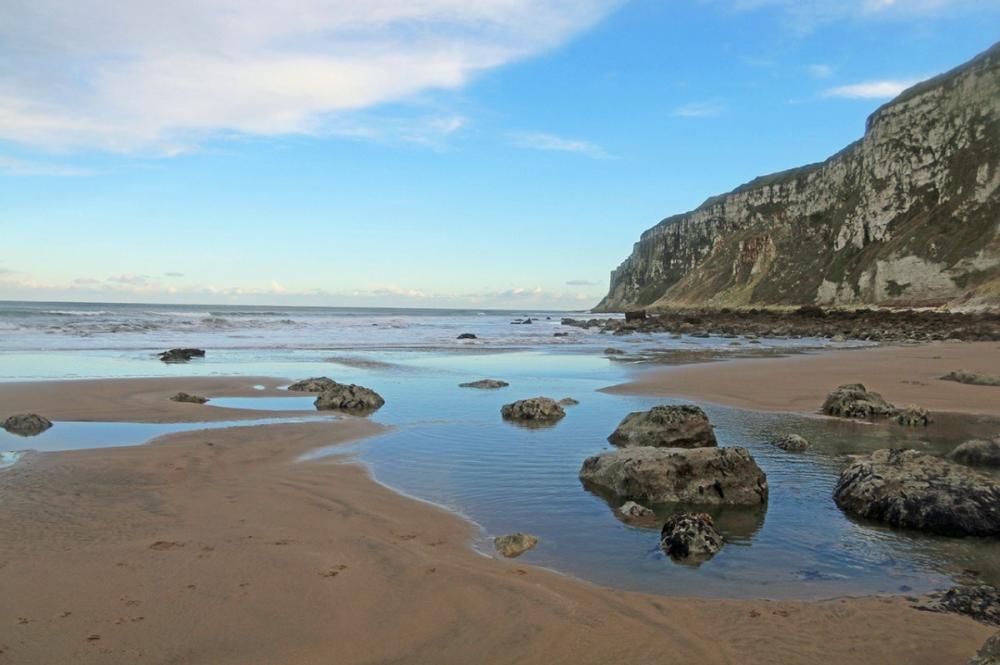
Filey’s golden beach was a highlight of our first motorhome trip
Once the campsite coordinates, taken from the Caravan and Motorhome Club (CMHC) App, were plugged into our Garmin SatNav, we were away. As we treated this as a test run for France and Europe - just two months away - we wanted to check everything meticulously.
Regarding paperwork, requirements for your local trip are the same as car travel - driver’s licence and insurance. We will cover the additional documentation needed for going abroad in a future article.
Local trips can be as much fun and enjoyable as longer jaunts, and we’ve enjoyed many in Yorkshire, Northumberland and Scotland.
Pre Trip Vehicle Checks
Do not forget all your normal vehicle checks - especially if your motorhome has been parked up for a while. Lights, indicators, brake lights along with tyres, tyre pressures and screen wash. Has it been serviced – oil, brake fluid, engine coolant. Is your MOT needed?
What You Need To Pack
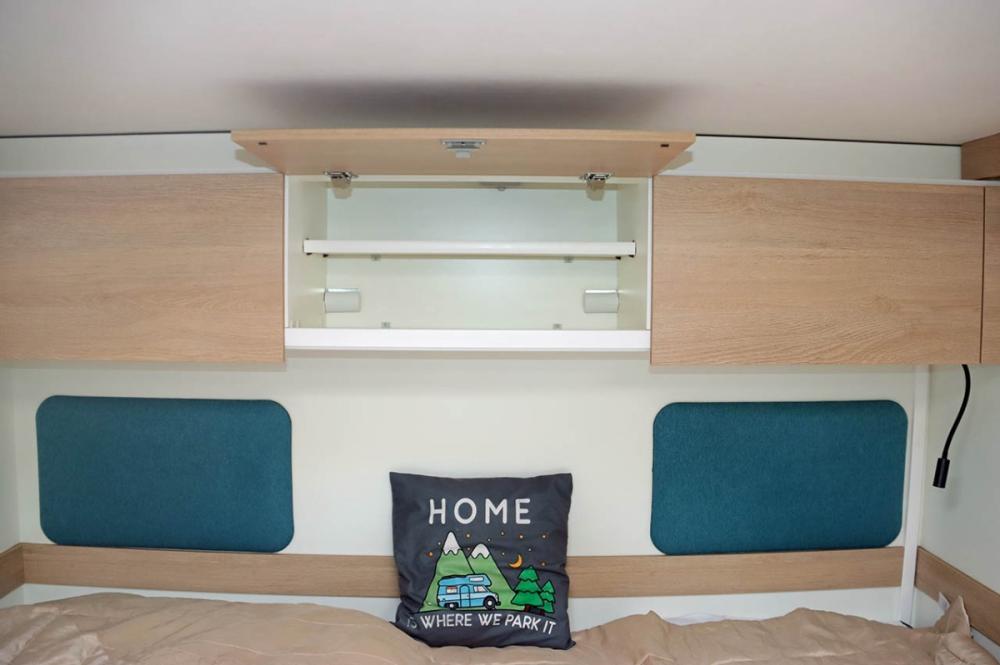
Pack cleverly with limited cupboard space
Packing essentials
Bedclothes and clothes – your storage space will determine how much you can take
Plates, cutlery, pans (unless you intend to have all your meals out)
Bathroom items – loo roll, tooth brushes, toiletries
Cleaning items, dustpan and brush
Fridge items – milk, also coffee, tea, tinned food
Phone chargers, laptops, hairdryer - if staying on a campsite
Camera, binoculars, walking poles for the great outdoors
Food, balls/toys if travelling with pets
Motorhome Safety First
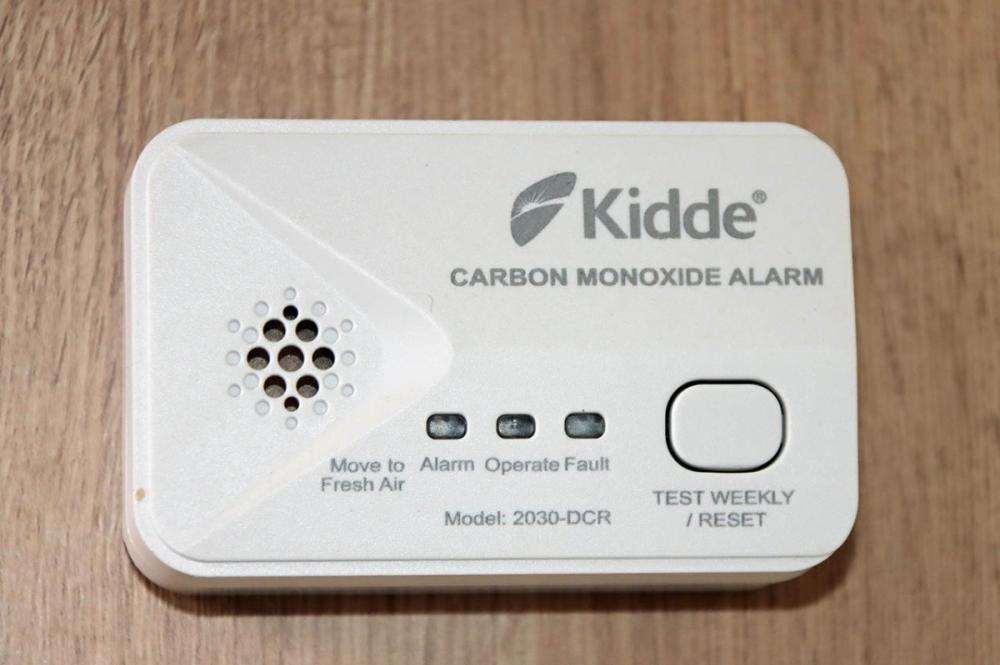
Testing your carbon monoxide detector is vital
Vital checks
Has your carbon monoxide detector been tested?. This colourless, odourless, and deadly gas produced by fuel-burning appliances provides crucial warning for leaks from stoves, or cars, including when running the engine to keep warm. Sadly motorhomers have died as a result of these detectors not working.
Is your spare tyre easy to access? A puncture at the side of a busy road is not the place to find out.
Do you have a jack?
If taking a tow rope, do you know where it would hook up should you need a tow? We found out the hard way after a jazz festival, when it rained for three days and were stuck in the mud like everyone else.
Do you have heavy duty jump leads?
Is your smoke alarm and fire extinguisher working?
Crucial Items
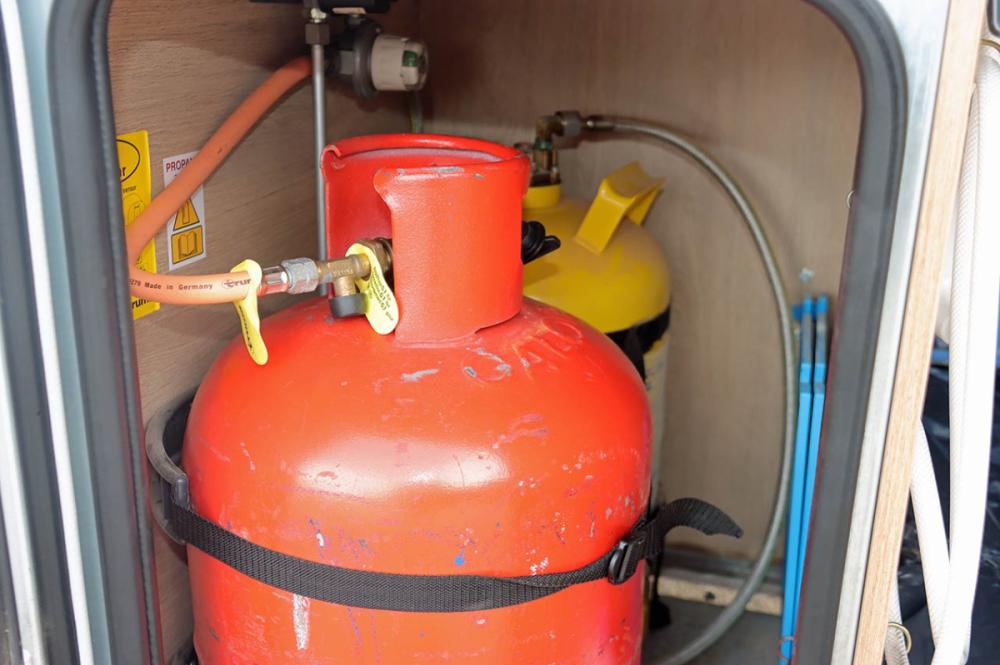
Cooking on gas: bottled gas is essential
Propane is widely available and your gas bottle size depends on the size of your vehicle. Our first motorhome only had room for one 6kg bottle.
You will use less gas when plugged into electricity provided by campsites and consume more when travelling around and enjoying the freedom to be off site.
Gas for cooking and for the fridge do not take up too much and 6kg could well last two weeks. Heating though, is a different matter, and in the UK’s cold climate, a bottle could be used up in three days.
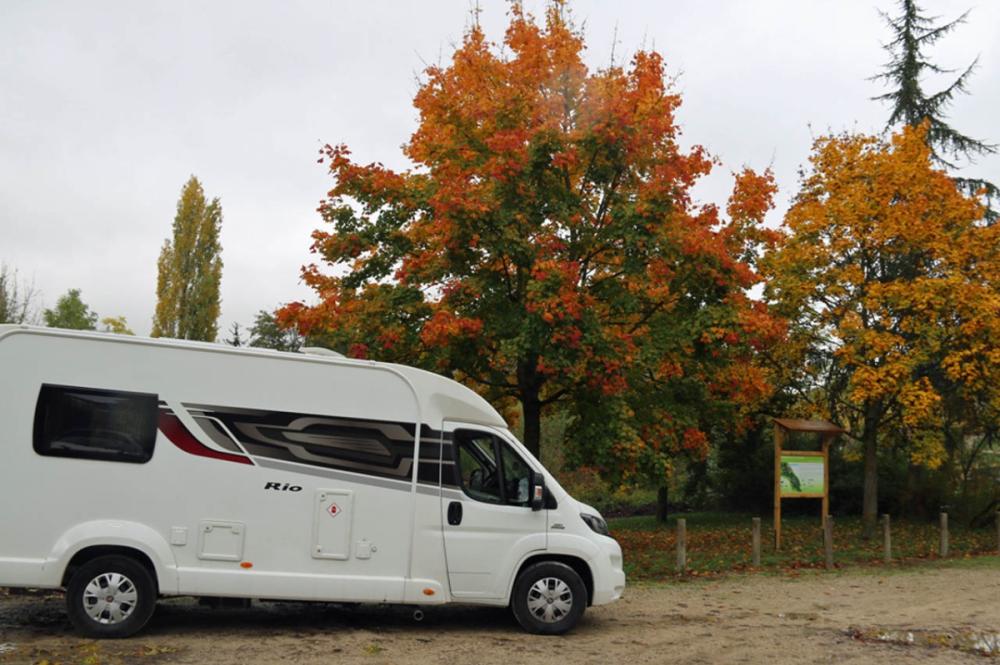
Chocks help to avoid a bad night’s sleep
A Spirit level - whether one on your smart phone or an old fashioned cheap one, they are important for a level bed.
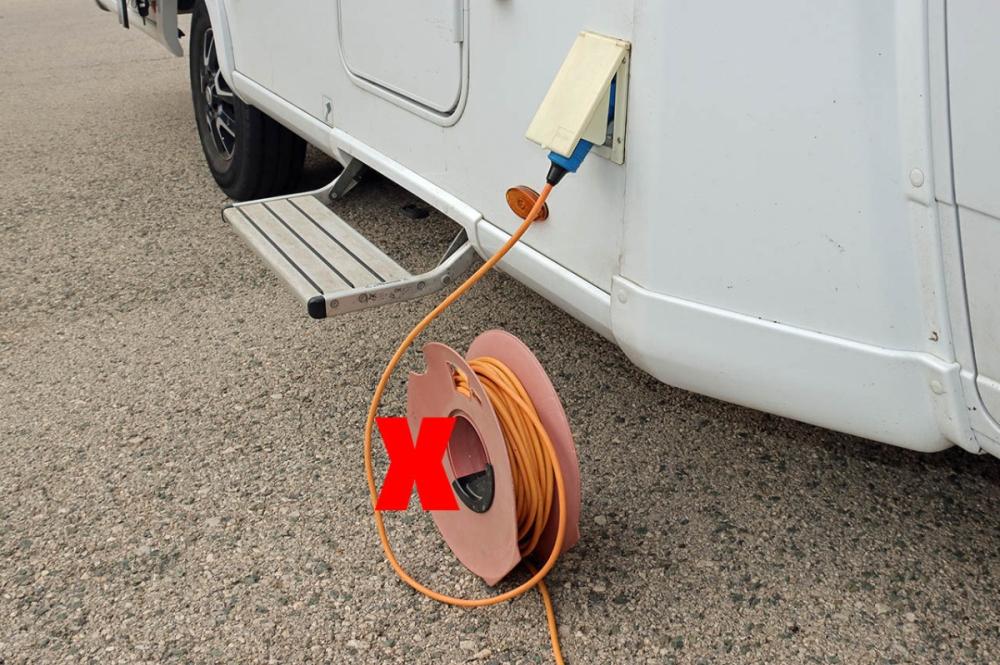
Electric cables need to be fully unwound when hooked up
External
Boot – ensure the boot is locked
Window blinds – check the blinds are open
Internal
Fridge – needs to be on 12 volts and locked
Rattles - eliminate rattles by removing oven shelves, secure pans
Electric – ensure it is unhooked
Dogs – ensure pets are clear of the driving area
Steering wheel – in the correct position
Locked – doors and windows
Ariel - must be retracted
Windows - check all are closed included the roof windows
Gas - switch the gas off at the cylinder
While all this may sound daunting, it soon becomes second nature. Having a checklist in the motorhome which includes useful numbers such as insurance and breakdown contacts is really helpful. Some insurers provide lists which you can adapt and make your own.
Once the practicalities are ticked off, the open road beckons for the anticipation and excitement of your first adventure!
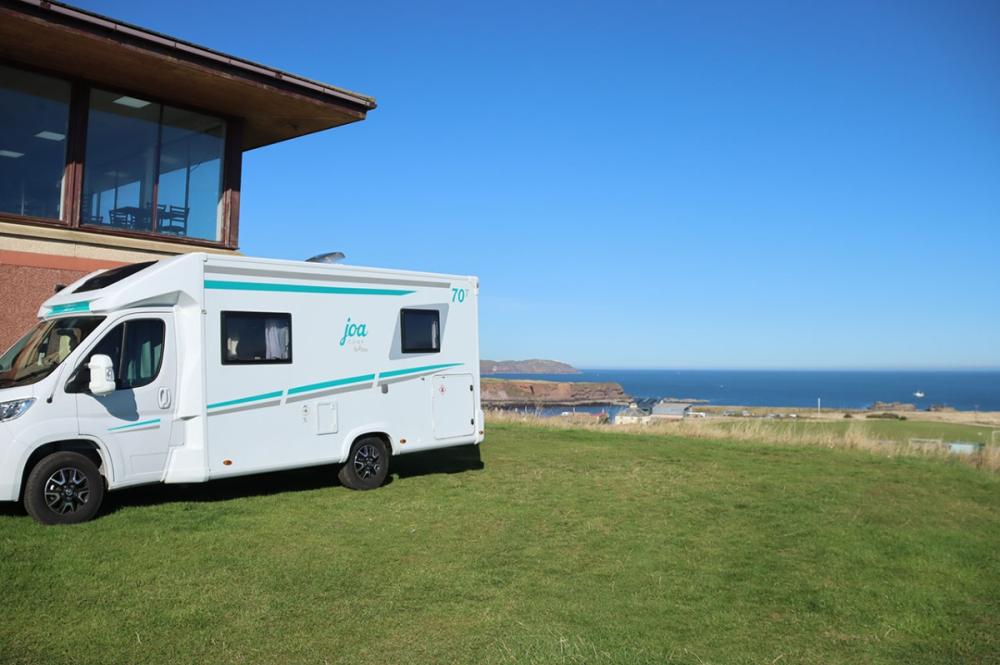
Bonny Scotland: Eyemouth Golf Club has electric hook ups for motorhomes
Also by Sharon Cain...
Lush Islands, Medieval Walls, Cascading falls: Croatia's Sensory FeastGruesome, Grisly, Gory : The Silence Of The LambsBeautiful, Vibrant, Bold - So Why Does Barbados Leave Me Cold?Annie: Pinning Today’s Hopes And Dreams On A Brighter TomorrowThe Bodyguard: A High Energy, Musical PowerhouseThe shortened address for this article is: newspub.uk/01y3m
Search Results