


search
date/time

Wed, 1:00PM
scattered clouds
16.9°C
WNW 6mph
scattered clouds
16.9°C
WNW 6mph
 | Sunrise | 5:39AM |
| Sunset | 6:19PM |  |

Andrew Palmer
Group Editor
P.ublished 8th March 2025
arts
Review
Classical Music: Benjamin Britten Canticles
James Way and ensemble bring emotional intimacy to Britten's vocal masterpieces
Canticle I: My beloved is mine and I am his; Canticle II: Abraham and Isaac; Canticle III: Still falls the Rain; Canticle IV: Journey of the Magi; Canticle V: The Death of Saint Narcissus. Priaulx Rainier Cycle for Declamation
Tenor James Way Tenor, Natalie Burch piano, Lotte Betts Dean mezzosoprano, Hugh Cutting countertenor, Ross Ramgobin baritone, Annemarie Federle horn, Alis Huws harp.
Delphian DCD34340
https://www.delphianrecords.com/
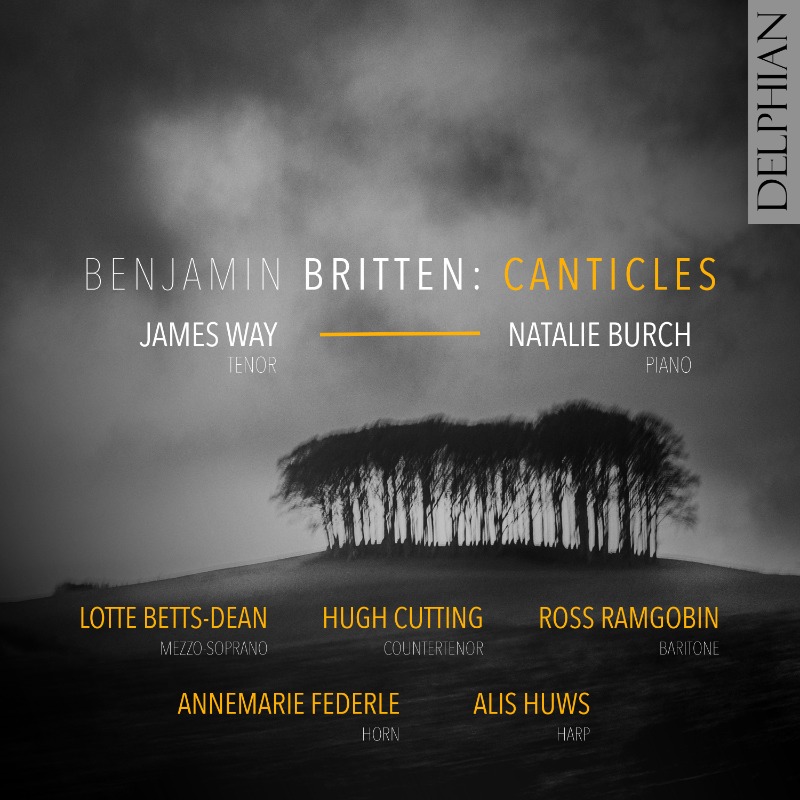
Burch's piano accompaniment provides sympathetic support throughout, while countertenor Hugh Cutting adds atmospheric depth to the ensemble. Annemarie Federle's horn playing in the third Canticle grows increasingly confident and warm as the piece progresses.
The fifth Canticle, 'The Death of Saint Narcissus,' features harp instead of piano—a necessity due to Britten's declining health, which prevented him from performing alongside Pears. As Katy Hamilton explains in her excellent liner notes, this instrumental choice becomes a striking virtue. The harp's fluid figurations evoke the watery mirror of Narcissus's demise, with Britten's inventive writing exploring the full range of the instrument's capabilities.
The album concludes with Way performing Priaulx Rainier's Cycle for Declamation (1954) a cappella. This setting of John Donne's poetry, written for Pears in 1955, showcases Way's remarkable versatility through its intense, introspective qualities that complement Britten's Canticles. It provides a powerful finale to an atmospheric recording.
Credit must also go to the Delphian recording team for capturing the subtle nuances of these performances with exceptional clarity and warmth. The outcome is an essential recording for admirers of Britten's vocal writing and a testament to the artistry of all performers involved.
Also by Andrew Palmer...
Classical Albums: Quartetto Gelato FlightEnescu: String Octet, Piano Quintet ReferenceClassical Music: HeartstringsClassical Music: Notes From The Living RoomClassical Music: Beethoven For Three Series Symphony No. 3 ‘Eroica'The shortened address for this article is: newspub.uk/01tx8
Search Results