


search
date/time

Sat, 10:00AM
overcast clouds
23.6°C
SSW 12mph
overcast clouds
23.6°C
SSW 12mph
 | Sunrise | 3:34AM |
| Sunset | 8:40PM |  |

Andrew Palmer
Group Editor
P.ublished 27th June 2026
arts
Review
Classical Music: Carl Orff: Carmina Burana
A reminder there's far more to this warhorse than one famous fifteen seconds
Detroit Symphony Orchestra
Jader Bignamini, conductor
Chen Reiss, soprano, Reginald Mobley, countertenor, Andrzej Filończyk, baritone.
Audivi, chorus, Detroit Opera Youth Chorus
PENTATONE PTC 5187519
https://www.pentatonemusic.com/
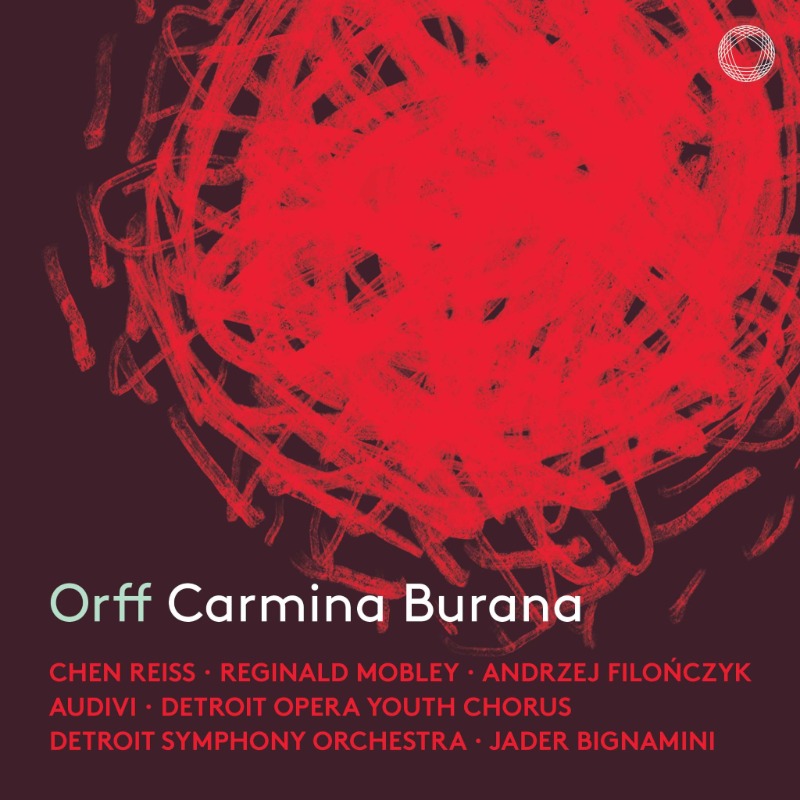
It's a genuine loss, because this new PENTATONE release reminds you exactly why Carmina Burana earned its place in the repertoire in the first place. Coming to it fresh, after years away, and living with this recording for several weeks now, I've found myself newly struck by the craft beneath the spectacle.
Jader Bignamini conducts with exactly the judgement this score demands: knowing when to hold back and when to unleash the DSO's full weight. The lower voices entering after that famous opening are superbly balanced, drawing you straight into the work's dramatic undertow. Among the soloists, Reginald Mobley brings a countertenor timbre that's genuinely individual—a real character in the drama, not just a voice type ticked off—while Chen Reiss finds real sensitivity in 'Amor volat undique', even if she occasionally pushes toward more than the moment strictly needs. Andrzej Filończyk, meanwhile, is a real find: his baritone has a marvellous range, shown off to full effect in 'Dies nox et omnia'.
Throughout, the massed forces — Audivi, the Detroit Opera Youth Chorus, two pianos, the celesta, and that wonderfully prominent percussion section — are handled with real persuasion. The percussion in particular adds exactly the right touch of chilli to the dish: bite without overwhelming the flavour. Recorded live at Orchestra Hall in Detroit, the engineering captures both the work's glory and its tenderness, with all the immediacy you'd hope for from a concert recording rather than a studio assembly.
Bignamini himself has spoken of the experience as "unforgettable"—of a connection between the conductor, orchestra, singers, and audience that a live recording captures with particular vividness.
Having now heard the results, I don't think that's the conductor's hyperbole. This performance is shaped by a real occasion, and it shows in every bar: the wheel turns, and for once you hear the whole of it, not just the spoke that made it famous. If, like me, you haven't returned to this choral extravaganza in years, this is precisely the recording to bring you back. And if you've somehow never made its acquaintance at all, let it seduce you.
Highly recommended.
Also by Andrew Palmer...
Brasserie Blanc, Leeds: Where The Garlic Went MissingDiscovering The Slave's Ghost Letter That Became A Cathedral PlayBring A Taste Of France To Your Table This Bastille Day, Courtesy Of BavetteBucket List: Rio de Janeiro — Where 007 Pointed, and I FollowedClassical Music: Live From The Aspen Music Festival And School