


search
date/time

Tue, 1:00PM
few clouds
23.0°C
WSW 5mph
few clouds
23.0°C
WSW 5mph
 | Sunrise | 5:49AM |
| Sunset | 6:04PM |  |
Andrew Palmer
Group Editor
P.ublished 29th March 2025
arts
Review
Classical Music: Trio Gaspard: Haydn Piano Trios, Vol. 4
Superlative musicianship illuminates Haydn's genius in continuing cycle
Franz Joseph Haydn:Piano Trio No. 26 in C minor (Hob. XV: 13); Piano Trio No. 36 in E flat major (Hob. XV: 22); Piano Trio No. 31 in G major (Hob. XV: 32); Piano Trio No. 34 in B flat major (Hob. XV: 20); Sally Beamish Trance
Trio Gaspard
Jonian Ilias Kadesha violin; Vashti Mimosa Hunter cello
Nicholas Rimmer piano.
Chandos CHAN 20330
chandos.net
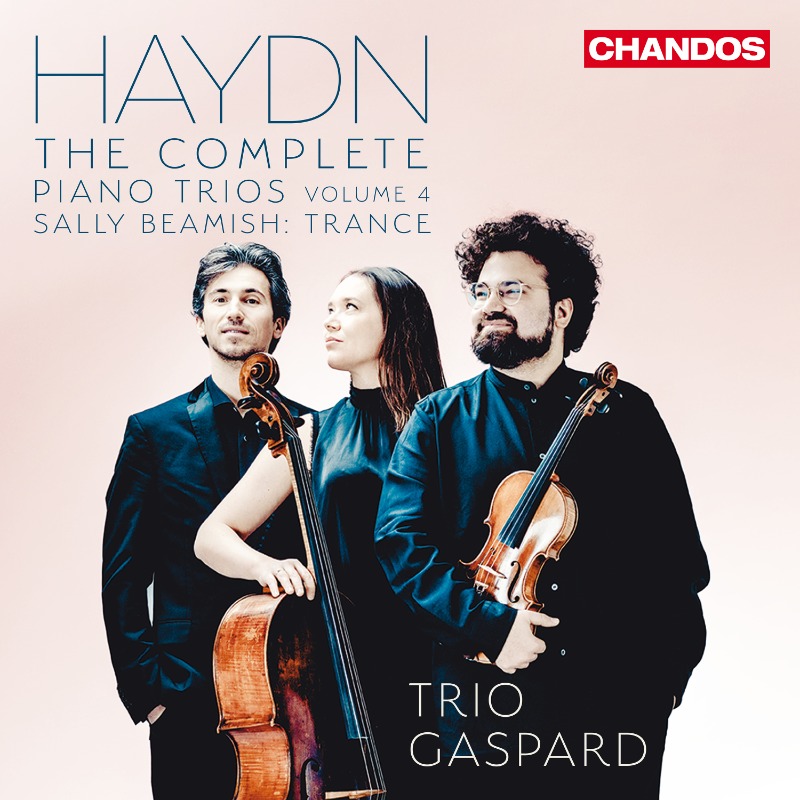
With each release in this cycle, the ensemble demonstrates why they've become one of the most compelling chamber groups on the international scene. Their approach combines historical understanding with a fresh, vibrant energy that makes these 18th-century works feel newly minted.
The album opens with Haydn's Trio No. 26 in C minor, a piece with a fascinating backstory. Composed hastily in 1789 to satisfy a publisher who had advanced Haydn 25 Ducats and loaned him an additional 31 to purchase a new piano, one might expect signs of rushed composition. Instead, Trio Gaspard reveals the work's inherent brilliance through crisp articulation and alluring ensemble playing.
Two works from Haydn's London period form the album's core. Trio No. 34 in B flat major and the "powerful and complex" Trio No. 36 in E flat major (dedicated to Princess Maria Hermenegild Esterházy) receive consummate performances. The trio's approach to the Poco Adagio of No. 36 is particularly captivating, as they weave its melodic lines with exquisite phrasing. The Allegro finale showcases their stylish playing through empathetic communion between the instruments.
There's an interesting historical note regarding Trio No. 31 in G major, which publishers initially released as a violin and piano sonata—unusual in Haydn's output. Later editions added a cello part, and this three-instrument version likely represents Haydn's true intentions. The trio brings perfect intonation and textural balance to this work.
As with previous volumes, this release includes a contemporary composition inspired by Haydn. Sally Beamish's Trance forms a poignant counterpoint to the classical repertoire. Influenced by Haydn's F sharp minor trio and by watching her mother succumbing to dementia, the piece carries dual meaning—representing both a meditative state and a passage or departure. The atmospheric opening is mesmerising, and the interaction between the trio members creates exactly the emotional landscape Beamish describes in the program notes. Their sensitive interpretation conveys a sense of motionless movement at the heart of the composition.
Throughout the album, Trio Gaspard illuminates Haydn's genius with rhythmic precision and elegant performances. Each phrase is molded with meticulous attention to detail, creating chamber music of the highest order. The balance between instruments is superbly judged, allowing us to hear every nuance of Haydn's sophisticated writing.
Also by Andrew Palmer...
Bach: The Complete Keyboard ConcertosClassical Music: For Cello, By CellistsClassical Music: Guys And DollsWild Pages Turn: Nature Writing's Biggest Night Crowns Birds And Lost WorldsClassical Music: HeartstringsThe shortened address for this article is: newspub.uk/01u6u
Search Results