


search
date/time

Sat, 4:00PM
moderate rain
9.8°C
SSE 20mph
moderate rain
9.8°C
SSE 20mph
 | Sunrise | 6:48AM |
| Sunset | 4:48PM |  |

Andrew Palmer
Group Editor
P.ublished 24th October 2026
arts
Classical Music: William Grant Still: Symphonies Nos. 2 & 4
Melody first, and beauty throughout
National Symphony Orchestra, Kennedy Center, Gianandrea Noseda
Label: National Symphony Orchestra NSO0020 via LSO Live
https://www.nationalsymphony.org/
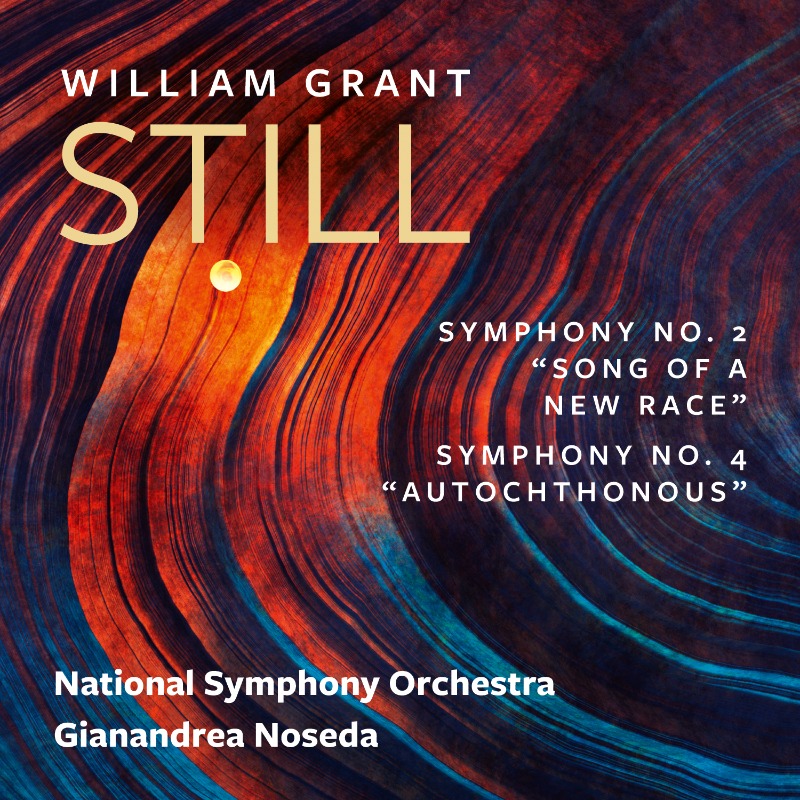
Both symphonies here belong to the stretch of Still’s career he labelled “universal”: Symphony No. 2 in G minor, Song of a New Race, and Symphony No. 4, Autochthonous.
The performances come from concerts at the Kennedy Center in Washington, the Second given in January 2022 and the Fourth in May 2023. Still’s achievement in both is to take the blue notes, bent phrases and inflections of the blues and pour them into the classical symphony’s moulds. That might read like a recipe for awkward compromise. It is nothing of the sort. Still’s real gift, the one that runs through every page here, is melody, and a sense of beauty that transcends any question of style or school.
The Second Symphony is one of the cornerstones of his output, and it shows how deftly he could fold jazz, blues and gospel into a single, coherent voice. The second movement is simply gorgeous. Woodwind solos float above a cushion of strings, and the effect is so cinematic you half expect a couple to step forward and launch into a number from a Broadway musical. The harmonies are rich, the orchestral sound ravishing, and the balance has been judged with great care: the lower strings glow warmly beneath the woodwind rather than smothering it. Each movement is shaped with sensitivity and expressive freedom before Still gathers his themes together in the finale, tying the threads with satisfying inevitability.
The music is stamped unmistakably with Still’s own identity. It tells his cultural story, and in doing so makes a distinguished contribution to the canon of American composers, a contribution that has waited far too long for this kind of advocacy.
Autochthonous means native, or sprung from the soil, and the Fourth Symphony is every bit as approachable and tuneful as its companion. Still’s handling of orchestral colour is masterly, and much of the work has a pastoral, open-air quality. The short third movement, marked With a graceful lilt, is a delight, its syncopations deliciously sprung. Still spent time working in Hollywood, and it shows: much of this would sit comfortably beneath a film score credit.
It is the finale, though, that lingers longest. Here the orchestra plays as though it feels every bar, the intensity mounting steadily as Still builds towards his climax. There is nothing contrived about the growth; it simply gathers weight and conviction until the music seems to fill the hall. It is the clearest demonstration on the disc of how deeply these players have taken this music to heart.
On this evidence, they should. These are not museum pieces dusted off out of duty but symphonies that sound as though they have been part of the repertoire all along, and we had simply mislaid them. Consider them found.
Also by Andrew Palmer...
Classical Music: Lyatoshynsky: Chamber Works, Volume 1Classical Music: Gentle DarkClassical Music: SHINE Jess GillamClassical Music: Jeneba Kanneh-Mason: Songs Without WordsLeeds Song Festival Looks Inward For 2027 – And Finds A World Of MusicThe shortened address for this article is: newspub.uk/021ff