


search
date/time

Mon, 7:00PM
broken clouds
18.5°C
WSW 9mph
broken clouds
18.5°C
WSW 9mph
 | Sunrise | 6:12AM |
| Sunset | 5:32PM |  |

Yorkshire Wildlife Trust
Wildlife Correspondents
@YorksWildlife
P.ublished 22nd April 2026
nature
Claws For Celebration
First Young Native Crayfish Successfully Returned To Yorkshire’s Waterways From Hatchery
 YWT.jpeg)
Signal crayfish
Photo: YWT©
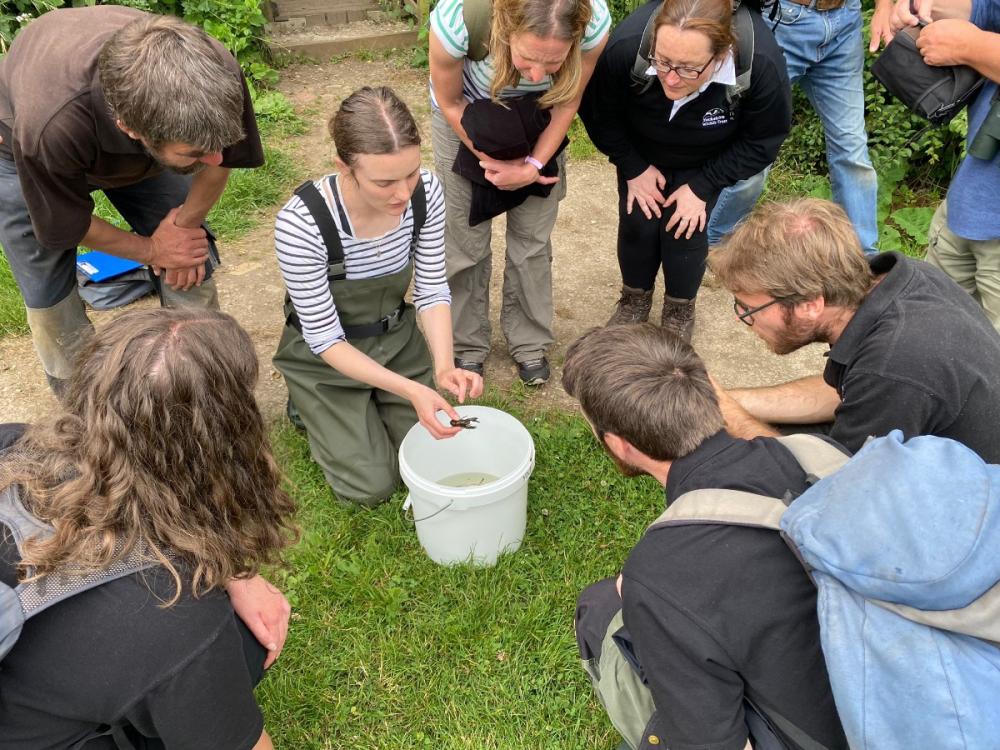
182 juvenile crayfish have been released into Haverdale Beck in North Yorkshire, where their pregnant mothers were collected back in summer 2025.
Our only native crayfish species, the white-clawed crayfish has long been at risk from competition and disease brought into the country by invasive signal crayfish. Increased pressure from signal crayfish and deteriorating habitat has meant just 5% of young crayfish in our waterways survive to adulthood, and populations in Yorkshire are rapidly disappearing.
“White-clawed crayfish are incredibly important for river ecosystems, acting as ‘ecosystem engineers’ and aiding in the breakdown of biological matter like leaf litter, feeding on algae, and provide an important food source for animals such as otter, fish, insect larvae, newts, and water voles.
“Because signal crayfish are larger, more aggressive and produce more young, they are easily able to outcompete our native crayfish. They put a lot of pressure on the river ecosystem because there are so many of them, and they can even cause riverbank destabilisation and collapse if their populations get too big. Add that to the plague they carry, which our native crayfish have no defence against, and they are in danger of easily wiping out our native crayfish populations across the UK.”
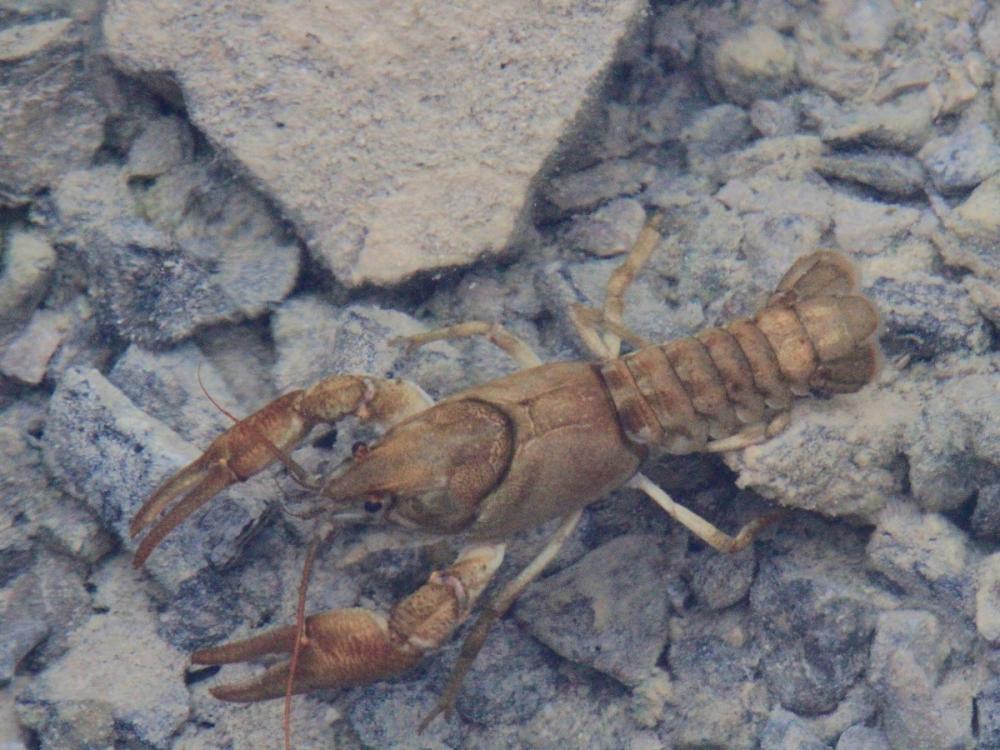
White-clawed crayfish
Photo: Rebecca Wanless©
This is a huge milestone for the project and a really positive step for Yorkshire’s native crayfish. Joining the Yorkshire Crayfish Forum and creating this hatchery has had an enormous impact for us here at Flamingo Land and has really secured our first steps into being a conservation powerhouse.
“These recent steps forward for the hatchery have really started to make this project feel real to the team. The keepers have done an exceptional job of caring for the adults and the juveniles, and to see them being released shows what can be achieved through partnership working and careful management. By giving them a head start in the hatchery, we’re improving their chances of survival and helping to rebuild populations that are under real pressure in the wild. This is just the start, and we can’t wait to continue this amazing work in the years to come.
Crayfish in ark site
Photo: Judith Greaves©
Lucy added, “It isn’t just down to conservation organisations and the hatchery to look after our native white-clawed crayfish – there’s a very easy action everyone can take to help, and that’s following the mantra ‘Clean, Check, Dry.’ If you or your belongings go in or near freshwater there is a risk you may spread crayfish plague – so please make sure you clean and dry your boots and belongings before you visit another water body.”
The newly-released crayfish at Haverdale Beck will be carefully monitored to see how they fare, and the project will now turn to collecting more pregnant females from other native crayfish populations across the county and nurturing their young into adulthood. It is hoped that with time and support, we will see wild native crayfish populations recover from the brink, supported by hatchery-raised young.
Also by Yorkshire Wildlife Trust ...
Fungi Festival Brings Costume Parade, Guided Walks, Mushroom Growing Workshops And More To YorkshireYorkshire Wildlife Trust Thanks Supporters As Appeal For Oldest Nature Reserve Reaches £250,000A Third Of People In Yorkshire Spend Three Hours A Week Or Less Outside, According To New PollYorkshire Puffin Festival Returns Bigger Than Ever BeforeYorkshire Wildlife Trust Launches Wildlife Hero Awards To Celebrate Yorkshire’s Unsung Wild HeroesThe shortened address for this article is: newspub.uk/01z5n