


search
date/time

Tue, 6:00PM
few clouds
11.7°C
SW 12mph
few clouds
11.7°C
SW 12mph
 | Sunrise | 6:54AM |
| Sunset | 4:41PM |  |
P.ublished 28th September 2026
business
Congestion Is The Biggest Headache For UK Business Drivers
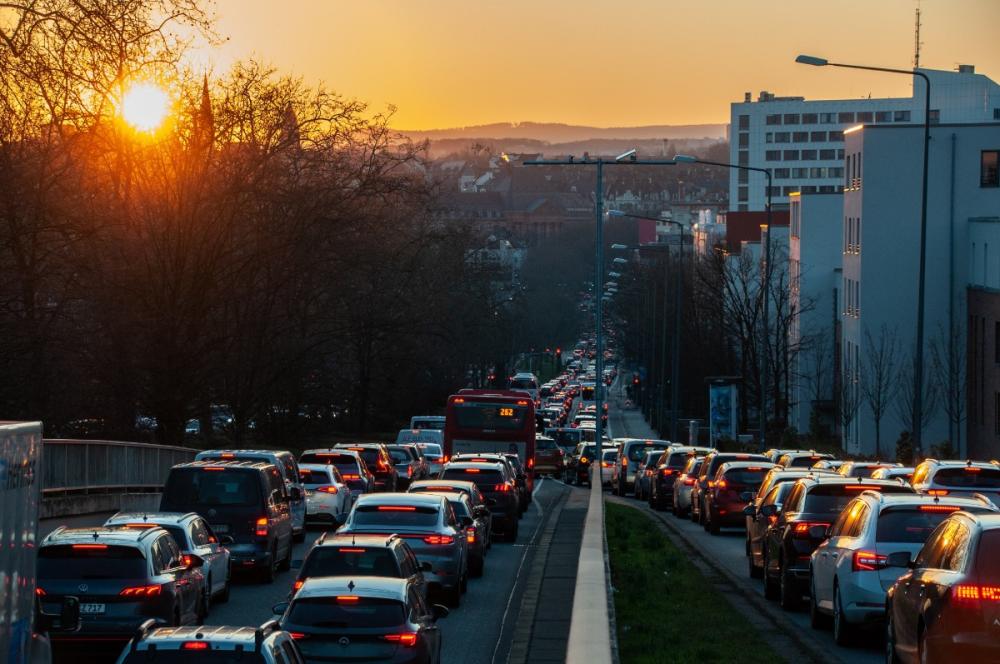
Image by wal_172619 from Pixabay
However, 53% of the business drivers surveyed by Venson said they would rather drive to a meeting than take the train or dial in virtually, which sees the car remain as the default choice for business travel.
In response, Venson is encouraging fleet operators to look more closely at journey planning, route optimisation and the productive time being lost to traffic. The findings come against a backdrop of continued pressure on UK roads: overall traffic levels in Great Britain have risen above pre-pandemic levelsii, while the average delay on local 'A' roads in Great Britain for the year ending March 2026 was 43.4 seconds per vehicle per mile.
For businesses operating fleets, even modest delays can quickly add up across multiple vehicles and journeys, creating unpredictable arrival times, reducing productivity and increasing fuel or energy consumption. They can also impact customer service and place additional pressure on employees who spend a significant proportion of their working day behind the wheel.
Venson believes fleet operators should treat congestion as an operational issue that can be actively managed, rather than simply an unavoidable part of business travel. Encouraging drivers to use real-time traffic and roadworks information rather than automatically defaulting to their "usual" route is one simple step. Organisations able to invest further could use route optimisation technology to dynamically re-route drivers and sequence multi-stop journeys more efficiently, cutting unnecessary mileage and time in traffic.
Venson's research also suggests businesses may benefit from reviewing whether every journey needs to take place in person. Of the 59% who say they are driving more for work, 35% are travelling slightly more than last year, while almost a quarter (24%) are travelling much more. While client meetings, site visits and many operational journeys will always need to be carried out face-to-face, businesses could consider moving non-critical meetings online or scheduling discretionary travel outside peak congestion periods where possible. For electrified fleets, incorporating charging stops into route planning can also help reduce unnecessary detours and delays.
Simon Staton, Client Management Director at Venson Automotive Solutions, says: "Our research found that 28% of business drivers rank congestion as their single biggest frustration, nearly twice the 16% who point to cost. Business drivers aren't against travel itself, but they are becoming increasingly frustrated by inefficiency. Fleets need to put measures in place to manage that, keeping a check on how congestion is affecting operations.
"Tracking time spent in traffic as a key performance indicator, alongside cost, safety and vehicle utilisation metrics, can help businesses understand the true operational impact of congestion. Once that impact becomes visible, fleet operators are in a much stronger position to take action.”
The shortened address for this article is: newspub.uk/0212k