


search
date/time

Sat, 1:00PM
light rain
9.1°C
SSE 17mph
light rain
9.1°C
SSE 17mph
 | Sunrise | 6:48AM |
| Sunset | 4:48PM |  |
P.ublished 5th August 2023
lifestyle
Debunking Six Common Fitness Myths
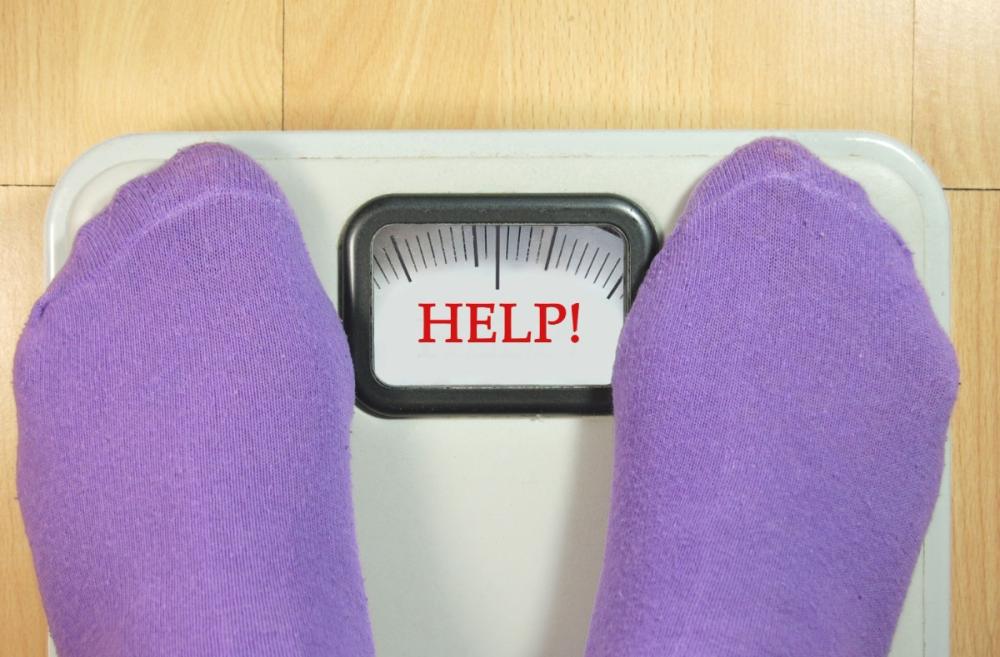
Image: Pexels
Here's the truth about some myths that may be holding back your health and fitness lifestyle ambitions.
Cutting calories equals fat loss
People wanting to lose weight actually want to lose body fat. And calorie cutting is a common approach. But decreasing calorie intake too much or for too long can cause the body to hold onto body fat instead of losing it; decreased calorie intake registers as a limit of resources and decreases your body’s metabolism to conserve energy.
Your body will also start using other resources for energy (i.e. muscle). This can lead to looking ‘skinny fat’, where you lose weight but also lose muscle tone.
The key to losing body fat is to avoid processed foods and to manage portion sizes. This way, you get the right quantities of protein, mixed fruit and vegetables, and healthy fats to lose body fat whilst retaining muscle mass.
For help managing portion sizes, there is a free guide available that will help you determine the right quantities of protein, fats, fruits, and vegetables you need to consume to lose body fat (no weighing involved!): https://fittolast.co.uk/the-portion-control-guide/
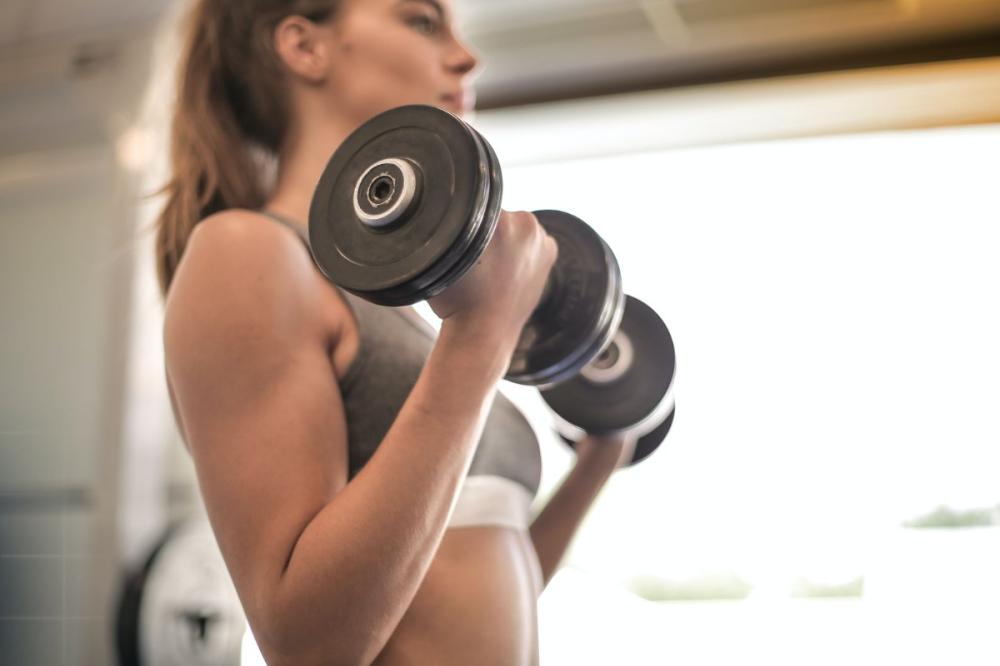
Image: Pexels Andrea Piacquadio
The idea that lifting heavy weights leads to bulging muscles has been a long-held myth. The reason it isn’t true is because big muscles can only be built when weight training is partnered with vastly increased calorie intake. Getting ‘bulky’ means gaining muscle and weight at the same time.
Gaining lean muscle means your weight may not increase but your body composition changes: i.e. your muscle increases while your body fat reduces. Gaining lean muscle means you won’t look bigger.
So, unless you’re adding an extra 2800plus calories a week alongside your weight training regime, all you’ll get from lifting weights is a lean, strong, healthy body.
Eating fats makes you fat
Some fats are really bad, namely trans-fats. Trans fats can be found in deep-fried foods, as well as processed cakes and biscuits. Avoid them – they can contribute to increased body fat, and lead to developing a host of other health conditions. However, good fats—like butter, nuts, olive oil and avocado—in balanced quantities will help you maintain a lean and healthy physique.
These good fats are responsible for helping your body produce hormones, as well as preventing heart disease, and managing blood cholesterol and blood sugar levels. Hormone production is essential because, when you work out, you’re putting pressure on your body to help illicit a small change. That small change is executed through hormones and this is why hormone production is so important.

Image by kinkate from Pixabay
Running is popular with many people, especially those with busy lives. Running can be scheduled at convenient times, and because you don’t have to book an appointment or specific space there is a flexibility that can be really useful. You do need good running shoes, but you should also be thinking about increasing your capacity to push your cardiovascular system and increasing your strength to produce greater force with each running stride.
To increase capacity, you need to add interval training to your run programme. The point here is to run for short bursts of uncomfortably fast pace with sufficient recovery to maximise each interval effort.
To increase strength, add in resistance training to your running programme. Resistance training means specific exercises with some form of resistance to increase muscular strength, power, size or endurance. For example, squats, lunges, press ups and planks. By adding in full-body resistance training, you’ll improve your strength to generate more force when you run. You’ll also improve joint resilience and stability to help prevent injury.
Carbs are evil
Of course, there are plenty of unhealthy carbs. Ultra-processed carbs should be avoided when possible, but, in small quantities, the likes of brown pasta, brown rice, and other wholemeal items have an important place in a healthy eating regime.
In addition to providing the daily energy you need to function, carbs are also a necessary component to help you maintain lean muscle. When you work out, your body breaks down muscle tissue. When you recover from a workout, your body will build muscle tissue to repair and adapt muscle that has been broken down during the workout. When you build more muscle tissue than you break down, you get stronger.
Make sure you consume a small amount of unprocessed carbs after your workouts as part of your healthy eating plan.
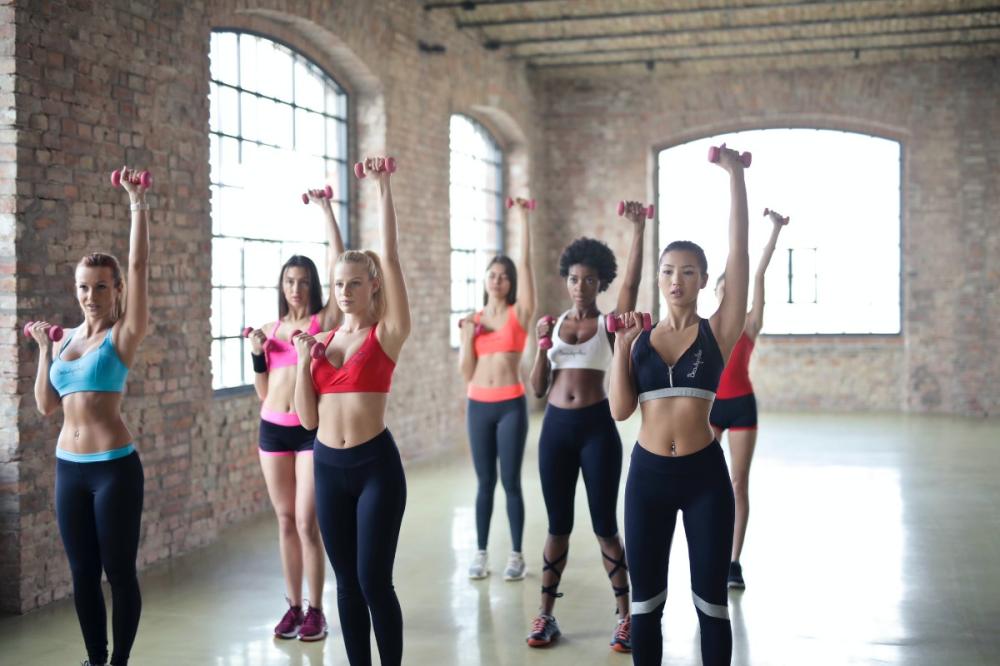
Image: Pexels
Obviously going from not exercising to exercising is a good thing. However, if you already exercise and want to improve your fitness, it’s a mistake to just do more of the same thing. For your fitness to improve, your body needs new challenges to adapt to. Doing the same workout repeatedly means your body won’t change. For example, even if you are increasing your weights every week when resistance training, you’ll need to change the movements you’re doing every 4-6 weeks as well.
It is important to remember that exercise alone is not enough. Even if you work out every day, if you don’t pay attention to your nutrition and your recovery, your results will be limited and short-term. It is healthy and consistent eating habits and effective sleep, not exercise alone, that will yield the largest changes to your body.
You have 168 hours in each week. Set aside three for exercise, allow 21 for preparing and eating your meals, and aim for seven hours of sleep each night.
To change your body in a lasting way, preparing and eating healthy meals along with quality recovery through sleep, along with a progressive training programme, will always yield a better result than exercise alone.

James Staring
James Staring is the founder and lead fitness coach at Fit to Last Personal Trainers, which offers a high-end, all-inclusive fitness solution for those who’ve tried everything in the past; crash diets, exercise fads, regular gyms etc., all with little to no success or results.
Fit to Last works in partnership with you to create a personalised programme of exercise, nutrition (no calorie counting or weighing) and small, simple lifestyle changes, to keep you on track to your goals, injury free and bursting with energy.
See: www.fittolast.co.uk
The shortened address for this article is: newspub.uk/01lpt