


search
date/time

Thu, 1:00AM
few clouds
17.2°C
NE 6mph
few clouds
17.2°C
NE 6mph
 | Sunrise | 5:01AM |
| Sunset | 7:11PM |  |

Andy Harris
Motoring and Property Editor
@ytimesmotoring
P.ublished 28th March 2026
cars
Electric Van Life – Farizon SV On Test
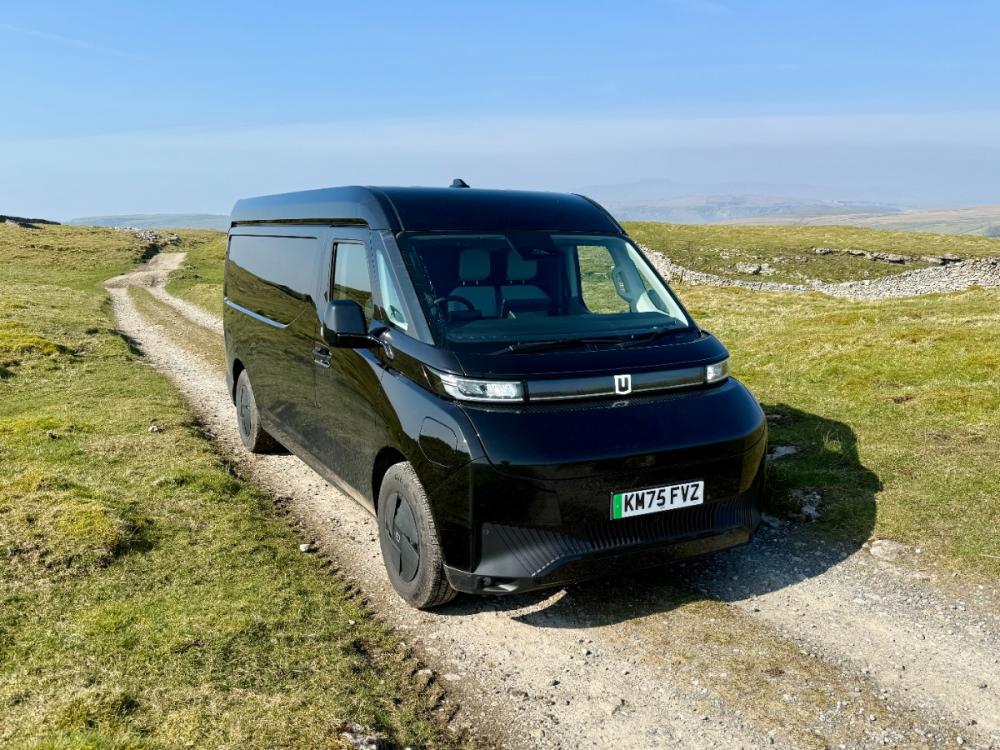
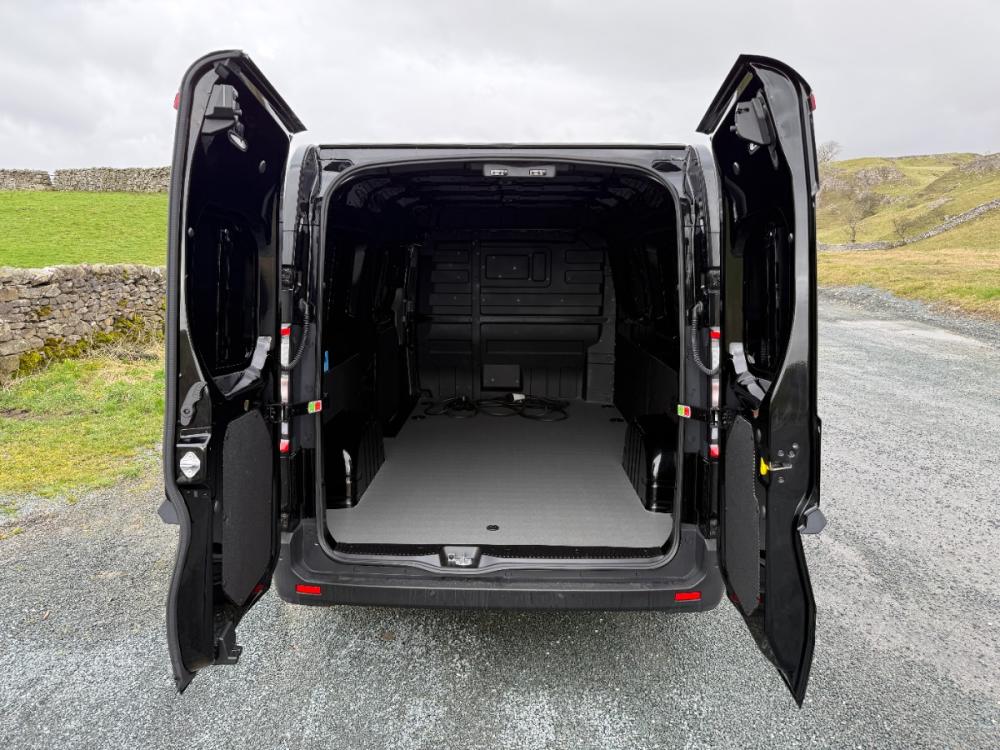
Farizon has developed the SV on a bespoke, 'born electric' modular platform, so the chassis, suspension and body are designed from the ground up around a battery and electric motor rather than a traditional engine bay. This brings a flat floor, low centre of gravity and very low rear loading height (just over 500 mm), which makes loading and unloading heavier items easier and safer for drivers. The exterior styling is more car-like than many rivals, with a smooth nose, flush-looking lighting and short overhangs to maximise interior space within a compact footprint.
Batteries, range and performance
The Farizon SV is offered with several battery options, typically 67 kWh and 83 kWh at launch, with a larger 106 kWh pack also planned. On the WLTP combined cycle, Farizon quotes ranges from roughly 205 to 247 miles, while on urban cycles the van can reach up to around 342 miles, which is among the highest figures in the electric medium to large van class. Fast charging capability allows a 20–80% top-up in around 36 minutes on a suitably powerful DC charger, helping operators keep downtime short on busy routes.
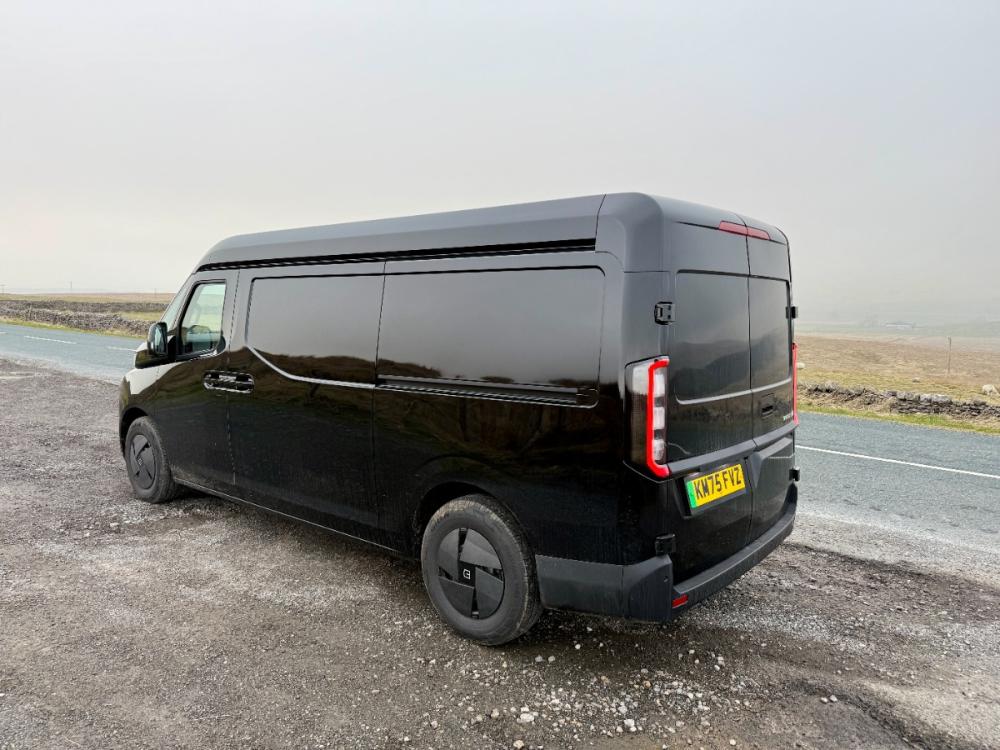
On the open road, the van proved to be brisk off the line, and there was power aplenty to pass slower tourist traffic clogging up my local lanes. Top speed is 84mph, so motorway cruising is easily accomplished.
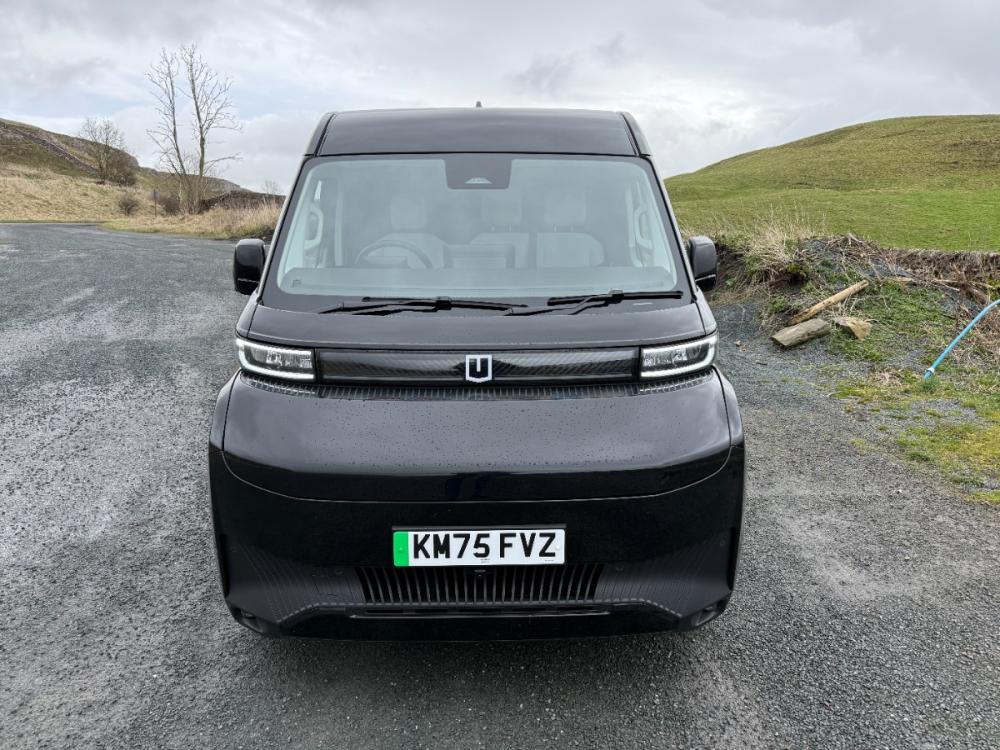
Payload is a key selling point: the SV offers around 1,100–1,350 kg of payload depending on configuration, which puts it at or near the top of its class among electric vans. Maximum towing capacity is quoted at up to 2,000kg, meaning it can pull a braked trailer for trades that need extra flexibility.
Multiple body sizes (different lengths and roof heights) and modular battery choices mean fleets can tailor a van to urban multi drop work, regional deliveries or heavier, longer distance routes.
My mid-range L2 H2 variant had a maximum payload of 1,160kg and a capacity of 9.39 cubic metres.
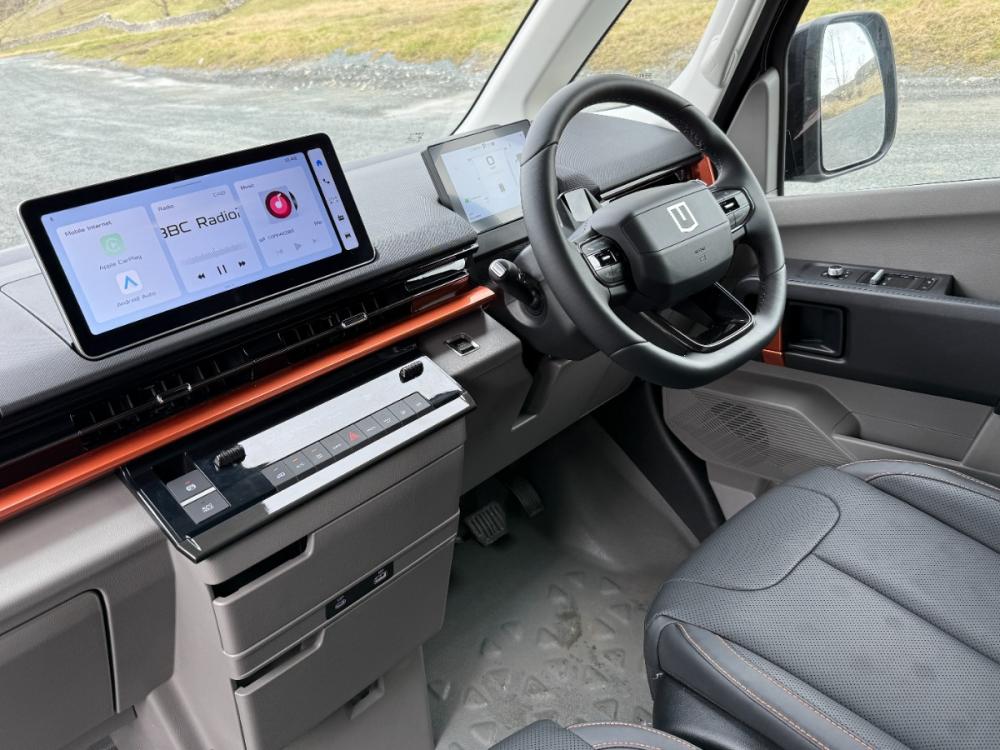
Inside, the Farizon SV is notably well specified by van standards, with many features more typical of a passenger car. Standard kit on UK models includes a full suite of active safety systems, all round camera coverage, heated and cooled seats, a heated steering wheel and automatic climate control, helping reduce driver fatigue on long shifts. Options include a vehicle to load (V2L) power system that allows tools or equipment to be run directly from the van’s battery, a towing package, 270 degree rear door hinges and a range of metallic paint finishes.
The driver and passenger seating proved to be most comfortable and with a silent cabin, many hours behind the wheel were quiet and relaxing.
UK market position and pricing
Farizon is targeting UK business users through dealers, brokers and leasing companies, with stock vans often available on relatively short lead times. Official UK pricing for the SV range starts from about £45,000 on the road before VAT and before applying the government Plug in Van Grant, which can reduce the effective price further for eligible fleets.
Lease brokers are already promoting the Farizon SV with monthly rentals pitched as competitive against other electric large vans, emphasising low running costs and zero tailpipe emissions as key advantages in low emission zones.
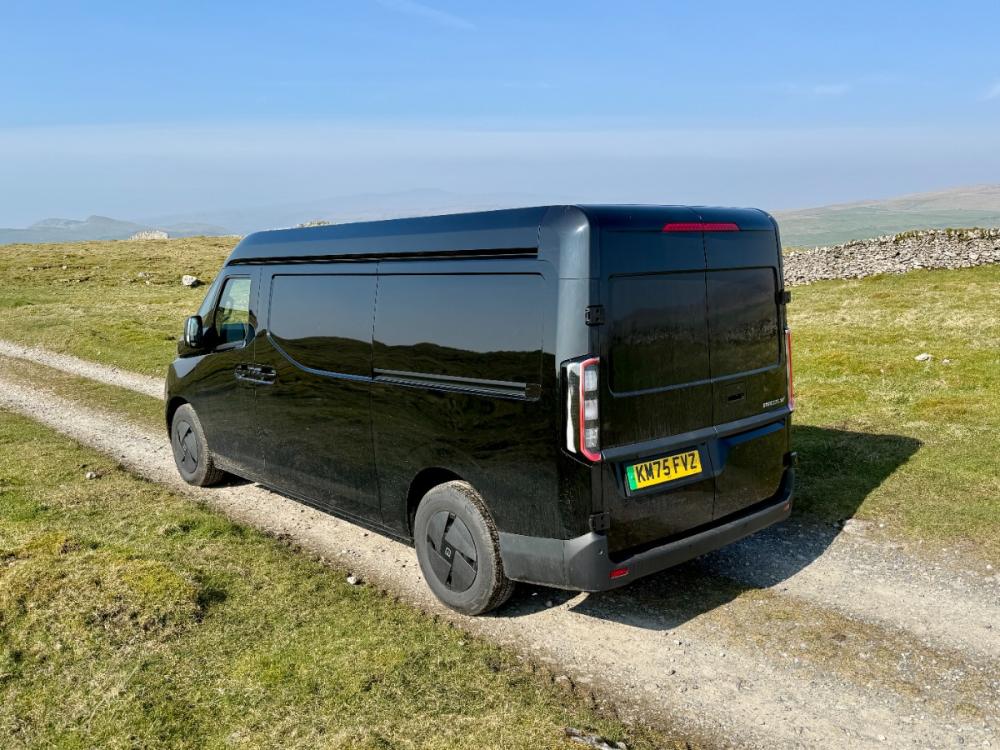
With its respectable range, strong payload, car like cabin and keen equipment levels, the Farizon SV is clearly aimed at businesses that want to move away from diesel without sacrificing practicality. Couriers, utilities, construction trades and service fleets that cover mixed urban and regional routes stand to benefit most, especially where access to rapid charging and low emission regulations make electric vans increasingly attractive.
Farizon SV L2H2 83kWh
Price £51,000 OTR + VAT
WLTP range 214 miles (280 city)
231PS and 336Nm
Top speed 84mph
DC charging 20-80% in 36 mins
AC charging 15-100% in 9 hours
Towing capacity 2,000kg
Payload 1,160kg
Capacity 9.39m
Also by Andy Harris...
I’ve Been Twingoed And I Liked It!Family Cars Don’t Have To Be Dull – Cupra FormentorLepas L8 Launch ReviewFlat Battery? CTEK To The RescueFirst Drive – Isuzu’s D-Max Electric PickupThe shortened address for this article is: newspub.uk/01yvr
Search Results