


search
date/time

Sun, 1:00AM
clear sky
8.4°C
WNW 11mph
clear sky
8.4°C
WNW 11mph
 | Sunrise | 6:22AM |
| Sunset | 5:20PM |  |

Allison Lee
Smallholding Correspondent
P.ublished 10th October 2026
lifestyle
Feeding The Birds
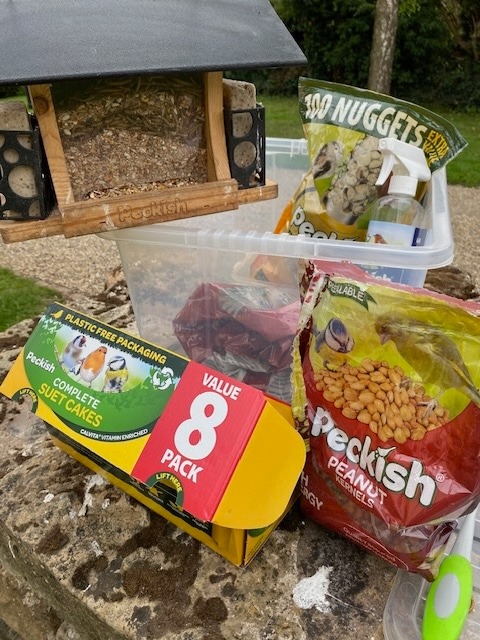
Bird feed.
I have an abundance of birds on my smallholding, including finches, tits, sparrows, robins, woodpeckers, doves and pheasants, and they all know where to find the feeding station. It is important to remember that whilst it is fine to reduce or even stop offering certain foods for birds during the months of May to October, you also need to bear in mind that some birds will come to rely on being fed, and therefore spasmodic feeding should be avoided.
The RSPB recommends offering high-fat, high-energy feeds such as seeds, peanuts, suet balls and suet cakes during the autumn and winter months, i.e. from November through to April. Then reduce the amount of feed and stop peanuts and seeds entirely during spring and summer, i.e. May to October. It is fine to offer small, controlled amounts of protein-rich feed such as mealworms and fat balls year-round if there is demand, as there is on my smallholding. The reason for stopping seeds and peanuts in the spring and summer months is that, when temperatures rise, bird feeders, which are used often, can become disease hotspots that spread parasites dangerous to birds. Mealworms and fat balls tend to attract fewer disease-spreading birds.
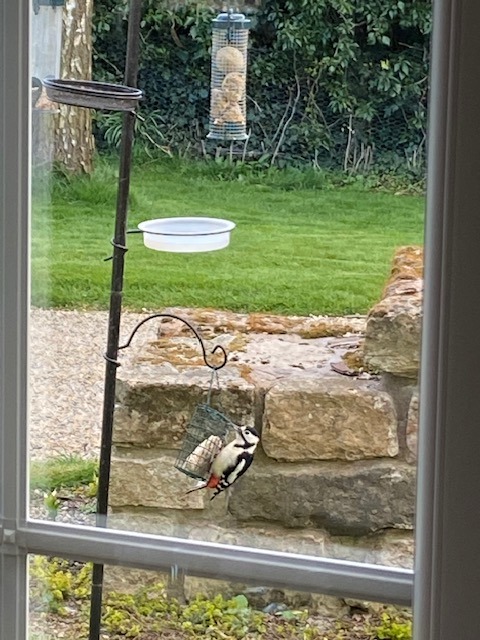
Woodpecker
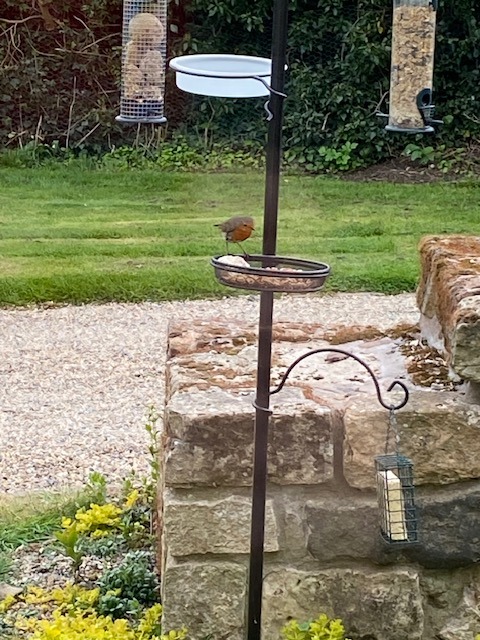
Robin
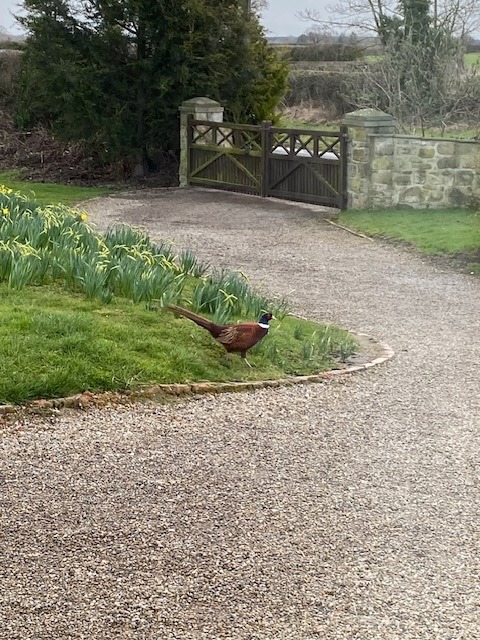
Pheasant
Hygiene is absolutely crucial, and scientists have found strong evidence that feeding nuts and seeds, particularly in the warmer months, can spread disease when many birds congregate in the same place. It goes without saying, then, that flat surfaces such as bird tables spread disease more than elevated hanging feeders, which allow fewer birds to access them at the same time.
If you feed the birds, do so systematically. The birds will come to rely on you, so you must feed them regularly and ensure the feed you offer is suitable for the birds in your garden. Follow good hygiene rules: clean and disinfect all feeders and water containers regularly, at least weekly. Clean and replenish water containers and bird baths every day.
Of course, feeding the birds doesn’t have to mean putting out seeds or suet balls. Planning your garden is just as important, if not more so, as it will provide them with food all year round. Consider planting bird-friendly plants and bushes this autumn to help feed the birds next summer. Common bird-friendly bushes and shrubs include hawthorn, which not only protects nesting birds from predators with its dense, thorny branches but also produces red berries for them to eat. Holly is an evergreen that provides year-round shelter and produces red winter berries. Cotoneaster and elderberry are two more bird-friendly plants that attract songbirds, including thrushes.
Also by Allison Lee...
Planning AheadHeading Into AutumnThe Importance Of Community Hubs In Rural AreasHow Donkeys CommunicateBluetongue VirusThe shortened address for this article is: newspub.uk/0216o