


search
date/time

Wed, 7:00AM
scattered clouds
15.4°C
NW 6mph
scattered clouds
15.4°C
NW 6mph
 | Sunrise | 3:36AM |
| Sunset | 8:39PM |  |
P.ublished 2nd March 2023
frontpage
Fosterer Volunteers Needed To Look After Guide Dogs In Training
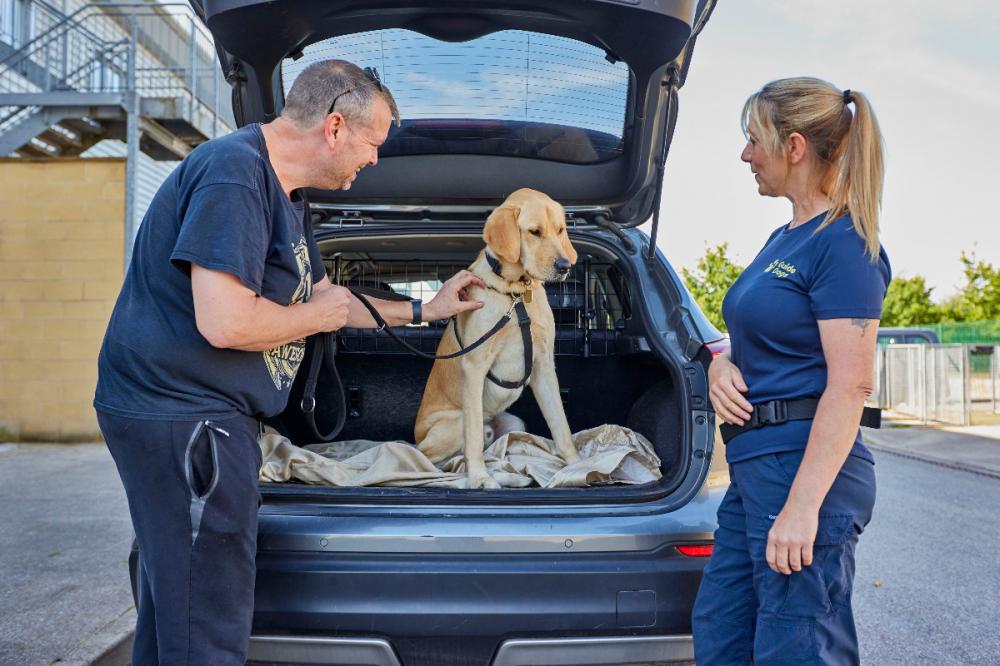
While the charity saw a significant increase in Puppy Raiser volunteer applications at the start of the year, it is now calling out to people who can sign up as Volunteer Fosterers to provide temporary homes for future guide dogs, as they complete their specialised training.
Pete Osborne, Chief Operating Officer at Guide Dogs said:
“During the pandemic we lost a third of our experienced volunteers who look after our dogs, and we are still having to rebuild our volunteer community which is so vital to the delivery of the Guide Dogs service.
“We now have lots more puppies coming through their first-year basic training which means we really need more volunteer Fosterers to look after our dogs in the evenings and weekends while they go through formal training.
“This kind of role could suit many people in various circumstances, who can’t commit to a dog long-term. You might have recently retired and are looking for a new project. You could be a dog lover who’s passionate about learning dog handling and training techniques.
“We’re especially looking for people who live near our local training centres – it might suit you if you work 9-5 and can commit to dropping off and picking up a dog each day on your daily commute.
“By volunteering, you’re helping a guide dog in training become a life-changer for someone with sight loss. As a Guide Dogs Fosterer, you’ll be helping Guide Dogs match more guide dogs to people on our waiting list. We can only create successful guide dog partnerships with dogs who have advanced in their training, and our incredible volunteers really are at the heart of this.”
“During the pandemic we lost a third of our experienced volunteers who look after our dogs, and we are still having to rebuild our volunteer community which is so vital to the delivery of the Guide Dogs service.
“We now have lots more puppies coming through their first-year basic training which means we really need more volunteer Fosterers to look after our dogs in the evenings and weekends while they go through formal training.
“This kind of role could suit many people in various circumstances, who can’t commit to a dog long-term. You might have recently retired and are looking for a new project. You could be a dog lover who’s passionate about learning dog handling and training techniques.
“We’re especially looking for people who live near our local training centres – it might suit you if you work 9-5 and can commit to dropping off and picking up a dog each day on your daily commute.
“By volunteering, you’re helping a guide dog in training become a life-changer for someone with sight loss. As a Guide Dogs Fosterer, you’ll be helping Guide Dogs match more guide dogs to people on our waiting list. We can only create successful guide dog partnerships with dogs who have advanced in their training, and our incredible volunteers really are at the heart of this.”

Catherine Hubbard, Regional Volunteering Partner, added:
“Dogs will need to be dropped off at our training sites Monday to Friday, just like the school run. On evenings and weekends, the dog will then spend time with you and enjoy time out from training sessions. Guide Dogs covers the cost of all the food, veterinary care and equipment required for each dog and provides full training and support.
“Volunteers say fostering is a huge boost to their mental and physical health too. Being a Guide Dogs Fosterer is a great way to spend more time outside, get fitter and welcome a wonderful new companion into your home.
“You’ll also learn bespoke Guide Dogs training techniques, which you could use with your future pet dog, or even to build skills for a career in dog handling.”
“Dogs will need to be dropped off at our training sites Monday to Friday, just like the school run. On evenings and weekends, the dog will then spend time with you and enjoy time out from training sessions. Guide Dogs covers the cost of all the food, veterinary care and equipment required for each dog and provides full training and support.
“Volunteers say fostering is a huge boost to their mental and physical health too. Being a Guide Dogs Fosterer is a great way to spend more time outside, get fitter and welcome a wonderful new companion into your home.
“You’ll also learn bespoke Guide Dogs training techniques, which you could use with your future pet dog, or even to build skills for a career in dog handling.”
A guide dog begins its formal training at around 12-14 months old and, in usual circumstances, most dogs qualify as working guide dogs by the age of two.
“By volunteering, you’re helping a guide dog in training become a life-changer for someone with sight loss.
Volunteer Fosterers usually care for dogs that are between 14-24 months of age and will look after a dog for up to a few months at a time. The two main breeds the charity uses are Labradors and Golden Retrievers, which are crossed to gain the best characteristics of each breed. These make up almost 80 per cent of the charity’s dogs. German Shepherds, Curly Coat Retrievers and Labrador-Poodle crosses are also used within the Guide Dogs breeding programme.

Guide Dogs trains dogs all across the North West and North East of England with community teams in Atherton, Leeds, Liverpool, Hull, Newcastle and Sheffield.

or call 0800 781 1444.
For more information click here