Front PageBusinessArtsCarsLifestyleFamilyTravelSportsSciTechNatureFiction
Search  
search
date/time
Tue, 12:00AM
overcast clouds
16.4°C
S 19mph
Sunrise6:52AM
Sunset4:43PM
Yorkshire Wildlife Trust
Wildlife Correspondents
@YorksWildlife
P.ublished 14th October 2026
nature

From Farm To Sixth Form: Yorkshire’s First Wildlife Heroes Honoured

Farmers, teenagers, moth photographers and peat scientists honoured as the Trust marks 80 years
A tenant farmer, a teenage beetle guardian and a sixth-form eco club were among the winners as Yorkshire Wildlife Trust handed out its first-ever Wildlife Hero Awards, Group Editor Andrew Palmer reports.

Yorkshire’s wildlife has always relied on its professional guardians. As the Trust’s new awards made plain, it relies just as heavily on the amateurs.

The Wildlife Hero Awards were launched in April to mark the Trust’s 80th anniversary. More than 100 nominations arrived across nine categories, all recognising individuals, businesses and community groups whose work is making a lasting difference to nature across the county.

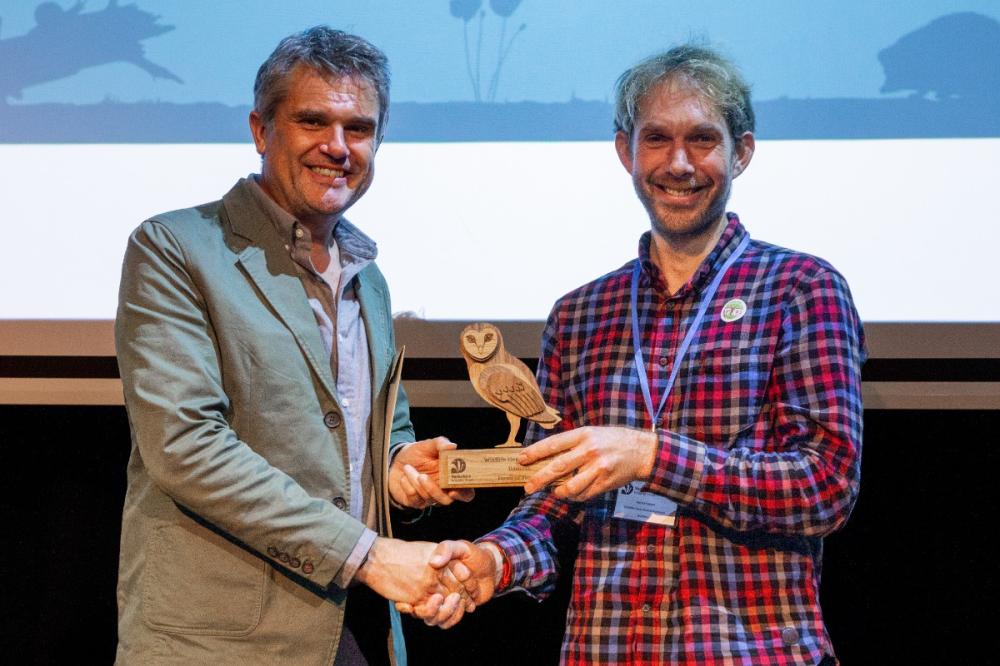
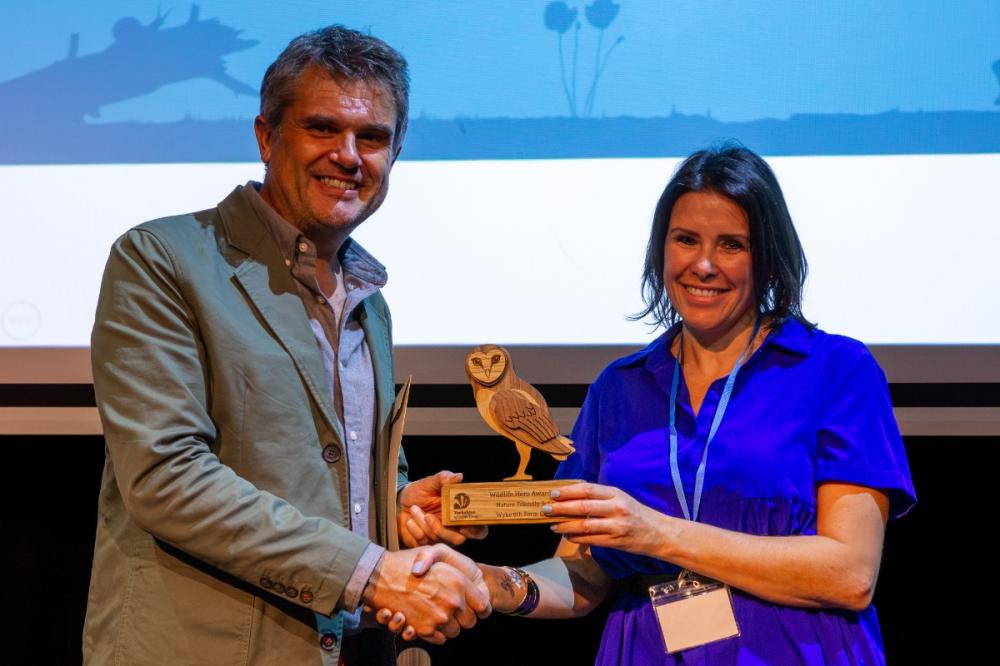
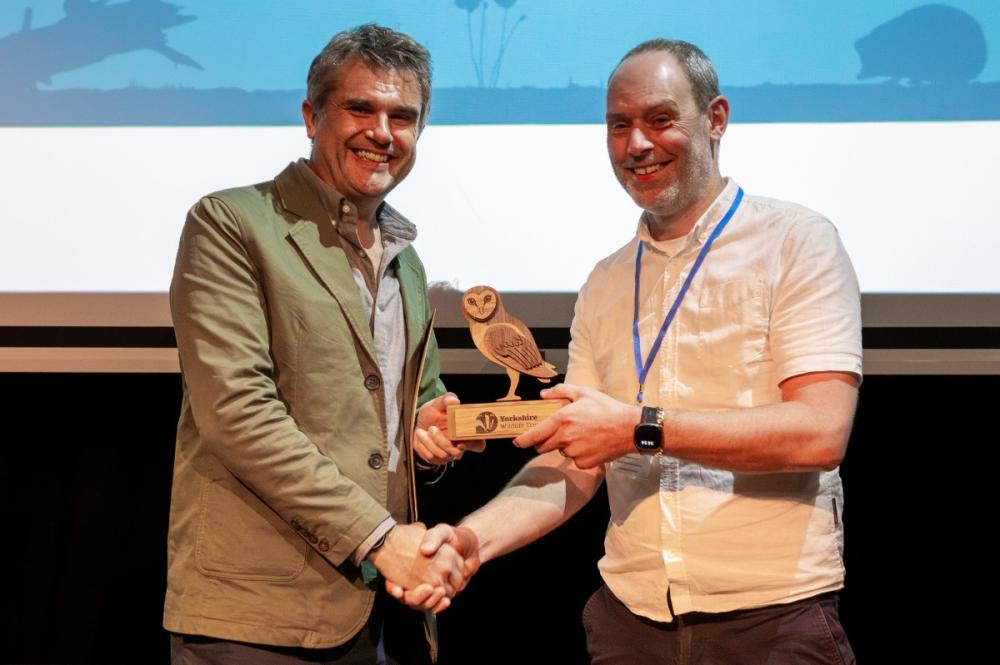
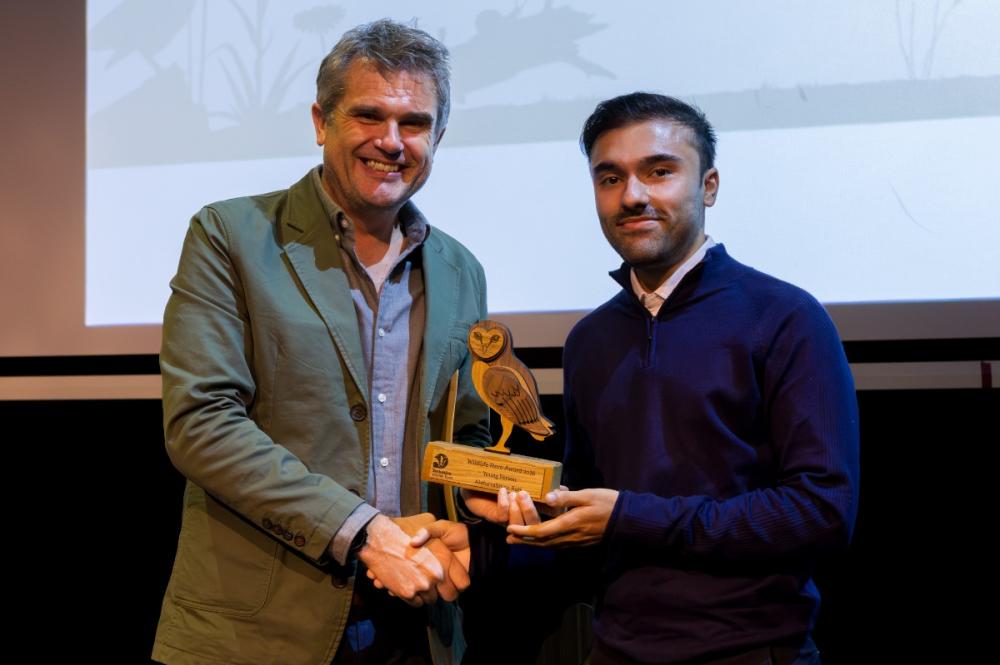
Winners were announced at the Trust’s Annual General Meeting and Members’ Day at York College. There, Craig Bennett OBE, Chief Executive of The Wildlife Trusts, presented each with an owl-shaped trophy made by print-on-wood specialists Inspirwood.

For Trust Chief Executive Rachael Bice, the point was to thank people who often work far from the spotlight. “Our heroes’ stories are deeply inspiring,” she said. “The commitment and pride highlighted by just this group of people towards their farms, school grounds, local wildlife and greenspaces is humbling and hopeful.” She added that the quality of the entries had made judging a genuine headache.

The awards arrive as the Trust pushes towards its goal of restoring 30 per cent of Yorkshire for nature. It argues that healthy green spaces are a necessity rather than a luxury. They underpin public health and local economies, and they help to soften the blows of flooding and drought.

“If we are truly going to make a difference for wildlife in the face of our changing climate and nature crisis, there has to be supported and collective action,” Ms Bice said. “There are wildlife heroes in every community and every generation. Our natural world needs you more than ever.”

Entries were scored and agreed by a panel of senior staff and trustees. The response was strong enough that the Trust is now considering staging the awards every two or three years.

The winners
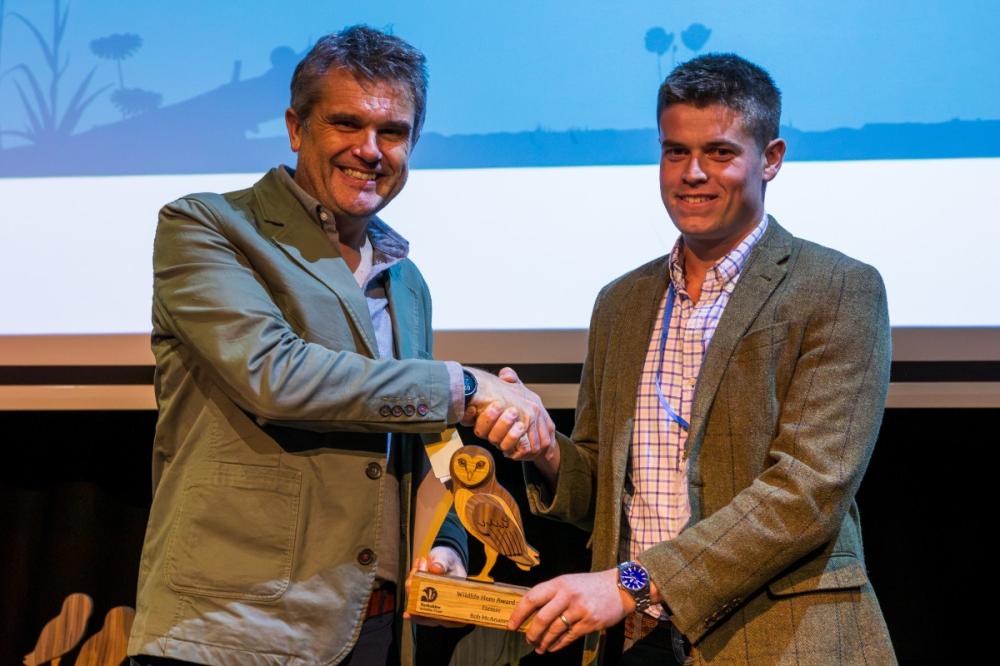
Rob Mcaneney
Rob Mcaneney
Farmer: Robert McAneney, Scow Hall Farm. Robert was the first tenant under Yorkshire Water’s Beyond Nature Next Generation Farming Programme. He has shown that a working farm and a thriving habitat need not be rivals. Rotational grazing, lighter use of inputs and better soil care sit alongside restored field margins, drystone walls and rough grassland. Streams are protected by fencing and buffer strips, and woodland has been allowed to regenerate naturally. He shares what he has learned through farm visits, television and social media, and his efforts have earned him an 11-year extension to his tenancy.


Abdurrahan Butt
Abdurrahan Butt
Young Person: Abdurrahan Butt. Abdurrahan has given more than 100 hours of their time this year. That work includes helping to safeguard York’s nationally rare tansy beetle, organising litter picks and building bug hotels for pollinators, while encouraging others to join in.


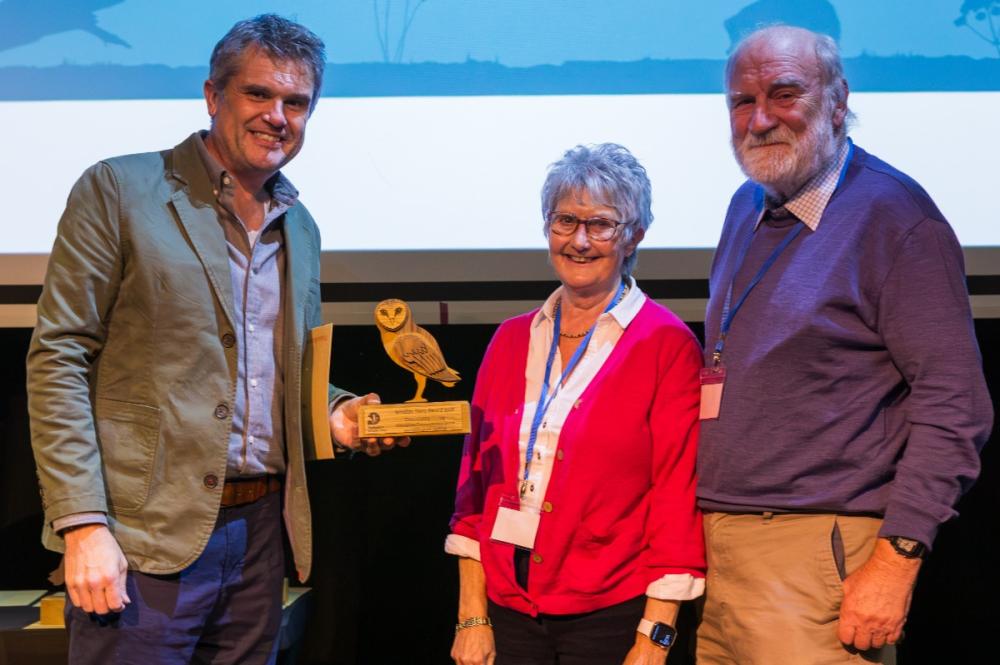
Gill and Rick  Battarbee
Gill and Rick Battarbee
Community Group: Addingham Environment and Saplings Group. The group was founded by the village Civic Society in 2016 and now counts around 400 members, more than a tenth of the village. Led by Rick Battarbee and Jan Hindle, volunteers plant trees and hedges, manage wildflower meadows, tackle invasive species and keep watch on local birds, bees, butterflies, bats and becks. Its monthly Saplings sessions, run by Gill Battarbee and Peter Miller, introduce children to wildlife monitoring at first hand.


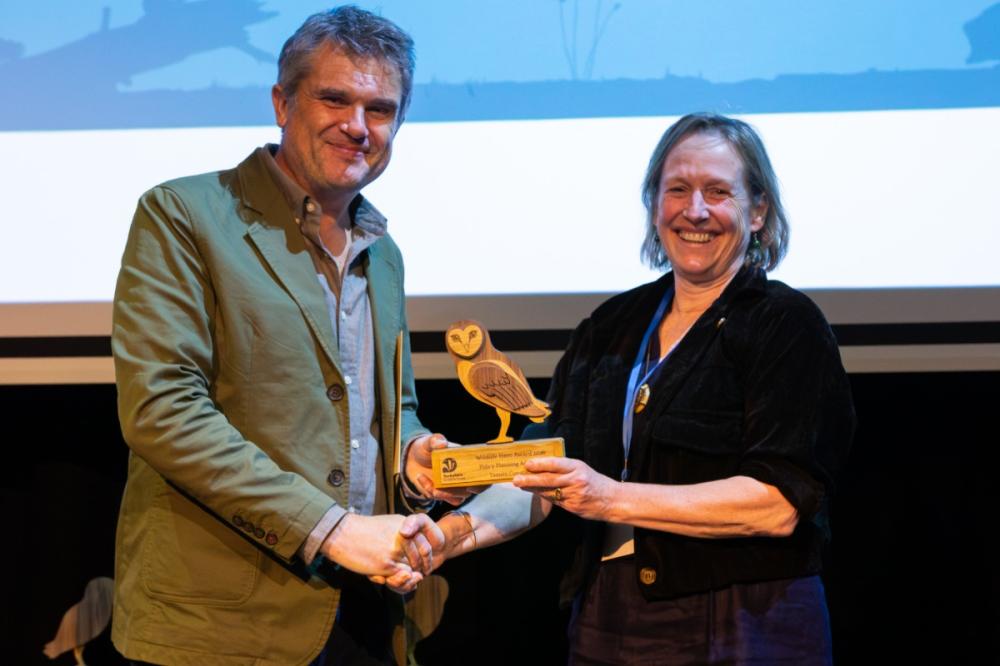
Tamsin Constable
Tamsin Constable
Planning and Policy Advocate: Tamsin Constable. At the West Yorkshire Combined Authority, Tamsin was central to shaping the region’s Local Nature Recovery Strategy. She brought councils, landowners, businesses, charities and residents round the same table and wove ecological evidence into regional planning.


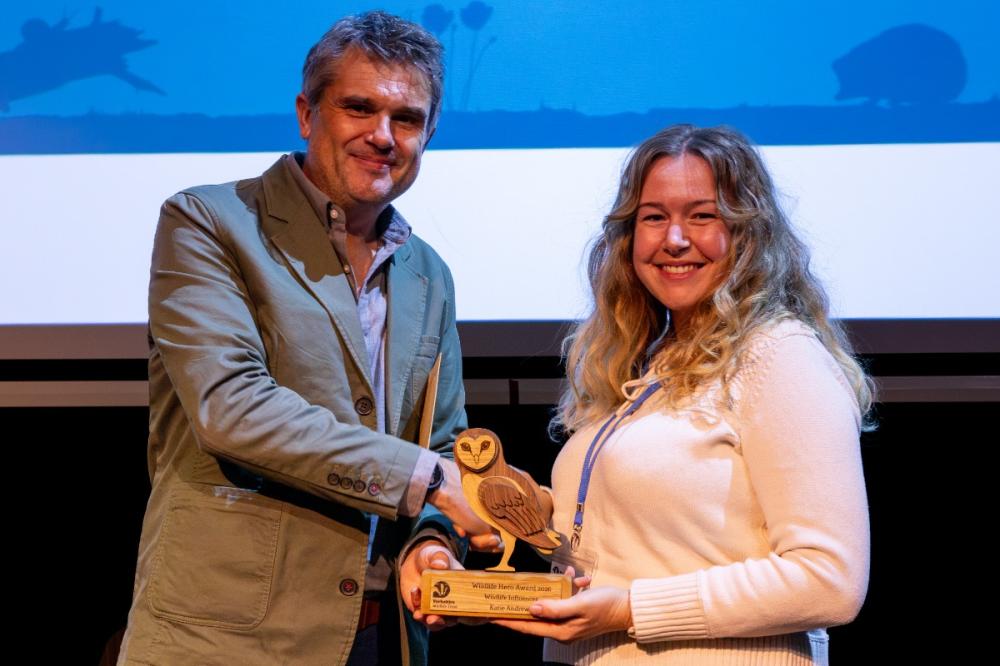
Katie Andrews
Katie Andrews
Wildlife Influencer: Katie Andrews, Garden of Moths. From East Yorkshire, Katie uses her Instagram account to champion one of nature’s most maligned insects. Her photography and clear explanations reveal moths as beautiful, varied and vital night-time pollinators.


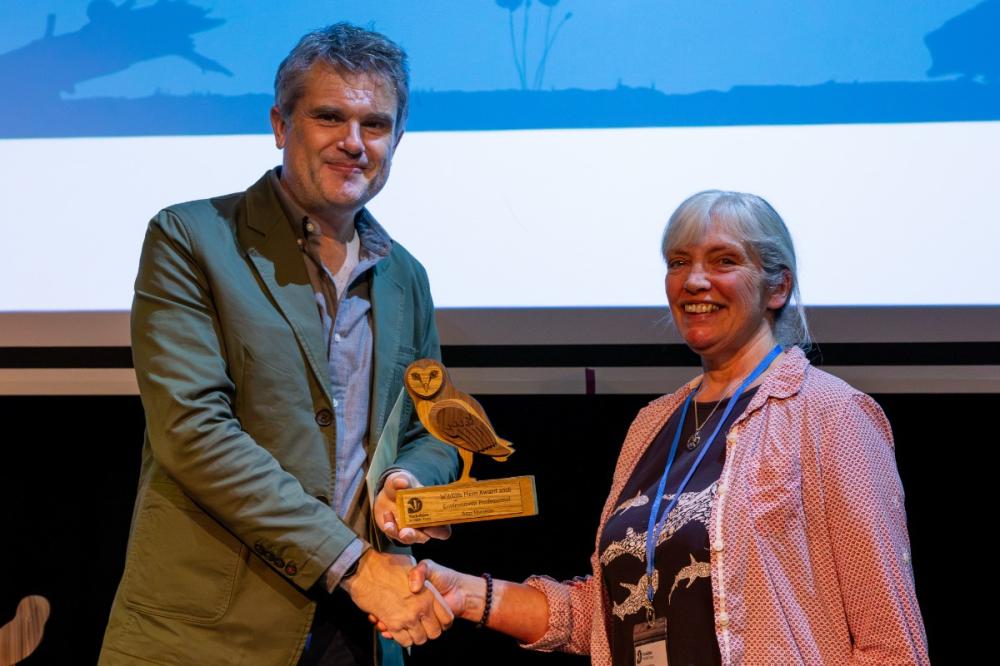
Ann Hanson
Ann Hanson
Environmental Sector Professional: Ann Hanson. For more than 30 years, Ann has helped Yorkshire farmers and businesses improve their land for wildlife, with a particular eye on helping smaller farms reach grant funding. Off duty, she volunteers with the Yorkshire Mammal Group and North Yorkshire Bat Group. She rescues bats and monitors dormice, harvest mice and water voles, and she has been involved in the Cropton Forest beaver trial.


Forest of Flowers
Forest of Flowers
Business: Forest of Flowers. Since 2015, this project has turned more than 100 acres of former farmland near York into woodland, meadow and wetland. It has planted over 42,000 native trees and shrubs and dug 18 ponds, and it supplies wildflower seed and expertise to others.


Kerry Thompson
Kerry Thompson
Nature-Friendly School: Wyke Sixth Form College Eco Club. Led by teacher Kerry Thompson, students launched “Wilder Wyke”, which aims to give 30 per cent of the campus over to nature by 2030. They raised more than £600 for swift boxes and wrote a biodiversity plan that college leaders adopted. Fifty metres of new hedgerow, a woodland copse, bat boxes and gentler mowing are already in place, with a meadow and ponds to follow.


Dr Richard Grayson
Dr Richard Grayson
Researcher/Academic: Dr Richard Grayson. Based at the University of Leeds, Dr Grayson coordinates the EU WaterLANDS action site. He has worked with the Trust and the Great North Bog partnership to bring European expertise to peatland restoration. He co-authored an influential white paper and championed artist residencies, and he has helped shape the Ure Dales Landscape Recovery Project alongside local communities.


The trophies may be owls, but the message from the evening was rather less nocturnal: nature’s recovery happens in broad daylight, one hedge, pond and bug hotel at a time.

The shortened address for this article is: newspub.uk/021a9
Search Results