


search
date/time

Sat, 1:00AM
few clouds
14.7°C
W 4mph
few clouds
14.7°C
W 4mph
 | Sunrise | 3:42AM |
| Sunset | 8:21PM |  |
P.ublished 27th May 2026
business
How To Prepare Your Garden For A Heatwave, According To An Expert
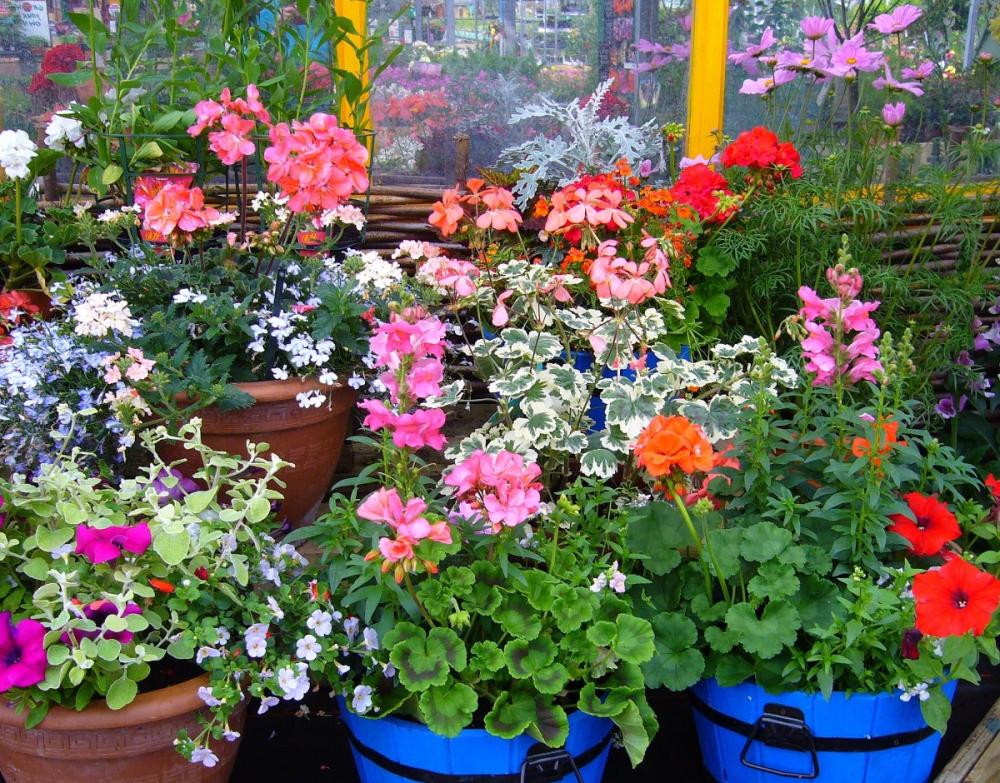
Image by Shirley Hirst from Pixabay

Christopher Murphy MBE is the founder and Managing Director of Dunster House
Check sheds for heat-sensitive items
Garden sheds can quickly become extremely hot during a heatwave, particularly if they are in direct sunlight for most of the day. The temperature inside a shed is often 10°C to 15°C higher than the outside temperature, depending on the type of shed and insulation:
Different shed temperature scenarios at 25°C outside
Well-Ventilated/Shaded: 28°C–30°C
Uninsulated/Direct Sun: 35°C–40°C
Metal/Plastic in Direct Sun: more than 40°C

Image by Rudy and Peter Skitterians from Pixabay
Start collecting rainwater
Heatwaves often bring dry spells and, despite the UK’s relentless rainy start to the year, the possibility of hosepipe bans is high, making it important for homeowners to use water in their garden wisely. Installing a water butt or finding alternative ways to collect rainwater ahead of warmer weather can help keep gardens hydrated without increasing water usage or household bills.
Rainwater is also often better for plants than treated tap water, which contains small amounts of chlorine and fluoride for human consumption. It is particularly beneficial for flowers and vegetable patches, as its natural nutrients can help support healthy soil conditions and plant growth.
Water plants at the right time
When temperatures soar, watering at the wrong time can do more harm than good. Watering during the middle of the day causes moisture to evaporate quickly in the heat, meaning plants absorb far less. The water droplets can also have a magnifying effect, which can cause leaves and flowers to burn in intense summer sun.
Instead, get into the habit now of watering the garden early in the morning or later in the evening when temperatures are cooler, and the sun is less intense. This will give roots time to properly soak up moisture outside of the peak sunshine and heat times of the day.
Mulch to lock in moisture
Adding a layer of mulch around plants, borders, and flower beds helps soil retain moisture during hot weather. Organic materials such as bark, compost, straw or wood chippings act as insulation, slowing evaporation and helping roots stay cool. It is a great idea to add this around plant bases, particularly if you are planning on going on holiday, to reduce the amount of watering needed by neighbours or favours from friends.
As an added benefit, mulching can also suppress weeds, which compete with plants for valuable water during dry conditions.

Image by Rudy and Peter Skitterians from Pixabay
Cutting grass too short during a heatwave can leave lawns stressed, dry and prone to yellowing. Take time to raise the mower blade height slightly prior to the intense summer days hitting to allow grass to retain more moisture and develop deeper roots. This will help make it more resilient during periods of extreme heat, and the longer grass will also help shade the soil underneath, reducing water loss to help keep lawns greener throughout the summer months.
Move potted plants into the shade
Potted plants tend to dry out much faster than those planted directly in the ground, due to a shallower root depth and not being able to draw moisture from the surrounding soil. This is especially true during prolonged hot weather. Moving potted plants into shaded areas of the garden during the hottest part of the day can help prevent plants from wilting and reduce the need for constant watering.
Grouping pots can also help them retain moisture for longer, as this creates a more humid microclimate around the plants, slowing evaporation from the soil and leaves. More practically, it also helps them shade one another from wind and direct sunlight, both of which can cause compost to dry out during hotter weather.
Choose drought-tolerant plants
With hotter summers becoming more common in the UK, and temperatures having topped 40°C in the UK for the first time ever in 2022, choosing drought-tolerant plants can make gardens easier to maintain during heatwaves. This is especially helpful if you aren’t green-thumbed and prefer a lower-maintenance outdoor space.
Plants such as lavender, sedum, rosemary and ornamental grasses are better suited to dry conditions and require less watering once established. Mixing in these hardy plants into gardens can help them stay vibrant even during prolonged spells of hot weather.
Take steps to keep greenhouses and summer houses cool
Greenhouses and summer houses can become very warm during a heatwave if they are not properly ventilated, so taking steps to improve airflow can make them far more comfortable to use throughout the summer. Opening windows and doors, installing vents and using blinds, curtains or external shading can help regulate temperatures and reduce direct heat from the sun.
In greenhouses, shading is particularly important, as prolonged exposure to intense sunlight can scorch plants and dry out soil much faster. Shade paint, mesh covers or internal blinds can all help protect plants while maintaining a stable growing environment.
For summer houses, you can further improve the temperature by painting the exterior in a light, reflective colour to reduce heat absorption, and by setting up a fan or a portable air conditioning unit on particularly hot days.
Protect sheds and furniture from sun damage
Constant exposure to strong sunlight can cause some wooden sheds, fencing and garden furniture to fade, crack or dry out over time, particularly if the timber has not been pressure-treated or properly protected against the elements. Homeowners can help prolong the lifespan of wooden outdoor structures and furniture in the heat by applying wood stains, weatherproof sealants or UV-resistant oils ahead of the upcoming heatwaves.
Higher-quality timber buildings that use pressure-treated wood and durable materials generally require less maintenance and are better equipped to withstand changing weather conditions. However, it is still worth carrying out seasonal checks before a heatwave arrives to keep everything in good condition throughout the summer.