


search
date/time

Sat, 7:00AM
clear sky
13.0°C
WSW 8mph
clear sky
13.0°C
WSW 8mph
 | Sunrise | 4:17AM |
| Sunset | 8:03PM |  |
P.ublished 24th May 2025
lifestyle
I’m A PT: Here’s How To Beat Exam Stress With 3 Simple At-Home Moves
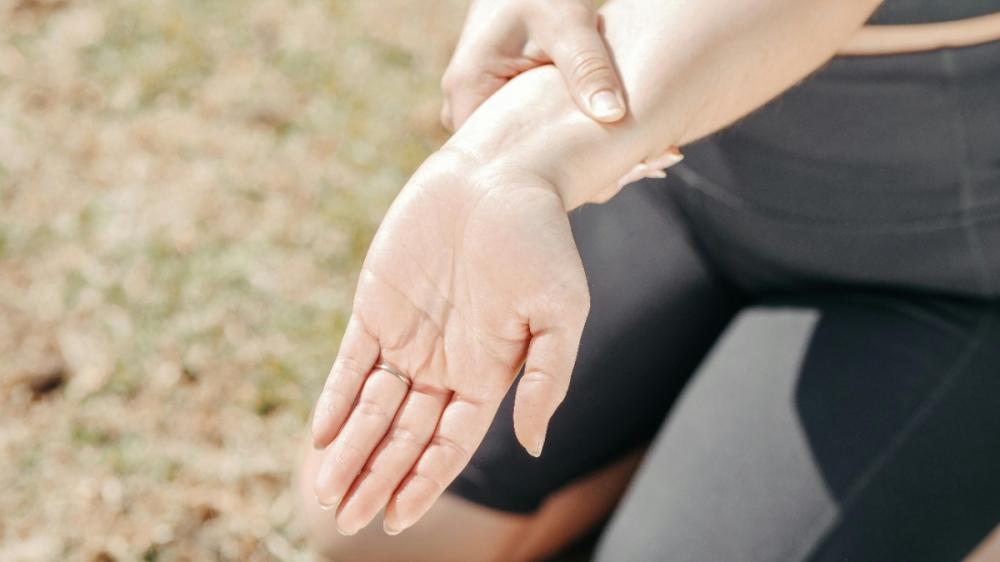
Photo by Kindel Media: Pexels
Marcus Rayfield, personal trainer and Assistant Manager at PureGym Manchester, has developed a series of quick, beginner-friendly workouts that slot seamlessly into busy revision schedules – all it takes is five minutes between study sessions.
According to a SaveMyExams’ 2024 exam anxiety survey, nearly 46% of students report experiencing physical symptoms of stress. What’s more, research shows that upper back, neck and wrist pain are prevalent among final-year university students, often due to poor posture and device overuse.
Posture resets to reduce desk strain
Wrist-strengthening exercises to prevent writing fatigue
Stretching routines to relieve pain from long study sessions
Brain-boosting wellness tips on sleep, snacks and hydration
All exercises are designed to fit around revision schedules and require no special equipment. Feel free to use Marcus’ expert quotes and practical tips in any upcoming coverage - we’d just appreciate a credit to PureGym Manchester, where Marcus is based: https://www.puregym.com/city/manchester/
Read on for specific exercise instructions, stretches and wellness tips from Marcus.
7 fitness routines to help with back pain and wrist problems from PT Marcus Rayfield
“You don’t need an hour-long gym session to reset your body and mind,” says Marcus. “A few minutes of movement can help release tension, improve your posture, and even prevent those dreaded wrist cramps during exams.”
He adds: “Exercises like wall angels and superman holds are brilliant for opening up the shoulders and strengthening the back — especially after hours hunched over a desk. For your hands, try finger taps or grip squeezes to improve dexterity and reduce fatigue.”
Quick Workout Routine to Improve Posture Wall Angels – Slide arms up and down against a wall to open up tight shoulders.
Superman Holds – Lift arms and legs while lying down to strengthen your back.
Resistance Band Rows – Pull a band towards you to work your upper back muscles.
Glute Bridges – Lift hips off the floor to support your lower back and core.
Exercises to Help Wrist and Hand Strength
Wrist Curls – Flex and extend your wrist holding a light object to build strength.
Finger Taps – Rapidly tap each fingertip to your thumb to improve dexterity.
Grip Squeezes – Squeeze a stress ball or rolled sock to boost grip and hand endurance.
Superman Holds – Lift arms and legs while lying down to strengthen your back.
Resistance Band Rows – Pull a band towards you to work your upper back muscles.
Glute Bridges – Lift hips off the floor to support your lower back and core.
Exercises to Help Wrist and Hand Strength
Wrist Curls – Flex and extend your wrist holding a light object to build strength.
Finger Taps – Rapidly tap each fingertip to your thumb to improve dexterity.
Grip Squeezes – Squeeze a stress ball or rolled sock to boost grip and hand endurance.
Stretches to help alleviate pain in back and wrist from revising
“Stretching is just as important as strength,” Marcus insists. “A few cat-cow stretches or wrist flexor stretches throughout the day can ease pain, improve blood flow, and help you stay more comfortable for longer revision sessions.”
Stretches to Improve Back Pain
Cat-Cow Stretch – Arch and dip your spine to loosen up a stiff back.
Child’s Pose – Stretch your lower back and shoulders while resting on the floor.
Seated Spinal Twist – Gently twist your torso to ease tension in your spine.
Stretches to Improve Wrist and Hand Pain
Wrist Flexor – Pull fingers back with palm up to stretch the underside of the wrist.
Wrist Extensor – Pull fingers back with palm down to stretch the top of the wrist.
Prayer Stretch – Press palms together & lower hands to stretch wrists & forearms.
Cat-Cow Stretch – Arch and dip your spine to loosen up a stiff back.
Child’s Pose – Stretch your lower back and shoulders while resting on the floor.
Seated Spinal Twist – Gently twist your torso to ease tension in your spine.
Stretches to Improve Wrist and Hand Pain
Wrist Flexor – Pull fingers back with palm up to stretch the underside of the wrist.
Wrist Extensor – Pull fingers back with palm down to stretch the top of the wrist.
Prayer Stretch – Press palms together & lower hands to stretch wrists & forearms.
Other wellness tips from Marcus to prevent students from crashing during exam season:
Marcus also highlights the important of sleep and a good diet during a busy revision period: “Sleep, hydration, and nutrition are your secret weapons during exams. Aim for 7–9 hours of rest, snack smart with a mix of protein and carbs (wholegrain toast with peanut butter is my go-to), and don’t forget to move — even a 5-minute break outside can help re-energise your brain.”
“Remember to stay hydrated and be mindful with caffeine,” he adds. “Water is essential, and if you’re relying on coffee, try to cut it off by mid-afternoon to avoid crashes later.”
Please let me know if it is of interest, or if you’d like to speak further to Marcus about his tips and workouts? A headshot of Marcus is also available [here] if you’d like to use it in your piece.
The shortened address for this article is: newspub.uk/01v2p
Search Results