


search
date/time

Wed, 10:00AM
few clouds
18.2°C
NE 7mph
few clouds
18.2°C
NE 7mph
 | Sunrise | 3:51AM |
| Sunset | 8:28PM |  |

Jeremy Williams
Arts Correspondent
@jeremydwilliams
P.ublished 15th July 2026
arts
Interview
In Conversation: Bongeziwe Mabandla
Speaking with warmth and openness, Mabandla reflects on the questions that shaped the record, the emotional weight of performing songs like "Ndikhulule (Depression)", collaborating with longtime producer Tiago Correia-Paulo and celebrated Cameroonian artist Blick Bassy, and why hope remains the album's most important message.
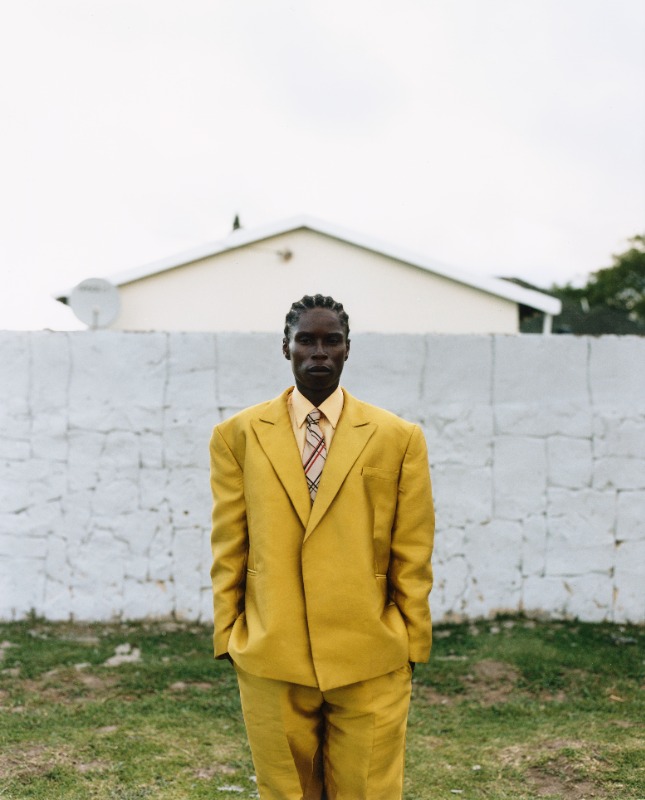
Bongeziwe Mabandla
I wouldn't say there was one particular moment, but the answer started changing once I began asking myself the question. There have been so many changes in my life and I think it's those changes that led me to ask who I really am.
For a while I'd maybe forgotten who I was and what was truly important to me. The title is there to remind me where I came from and where I'm going. It's about understanding yourself.
What did you discover about yourself during that journey?
I discovered so many things, but mainly how strong I am and how much I love taking charge of my own life. I'm a dreamer and it's really important for me to chase those dreams and do things my own way.
The last few years have shown me how resilient I can be. That understanding has changed me a lot.
The album feels rooted in both movement and belonging. Has your idea of 'home' changed over the years?
Yeah, it's hard to know where home is when you're travelling all the time and constantly on the road. I enjoy being at home so much, but what I've managed to do is realise that home is actually me.
I still try to enjoy every place I travel to, but knowing that home travels with me has been really important.
There's such emotional honesty throughout the record. Do you think that's what allows listeners to connect with it so deeply?
I think what's beautiful about the album is that it explores human vulnerability and identity in a way that allows everyone to see a piece of themselves in it.
On Ndikhulule (Depression), you confront mental health directly. How do you balance being so vulnerable in your songwriting with the emotional demands of performing those songs live?
It's a very personal song for me and the kind of song I've wanted to write for a long time.
Performing songs like that can definitely be emotionally taxing, but the balance comes from allowing the songs and the emotions to speak for themselves. Being fully present in the moment really helps.
The album often feels like a healing journey. Was making it part of your own recovery?
I think this album has been my healing journey. I agree that healing is ongoing, but while I was making the album I was going through a lot and I wanted to include that journey.
I knew it would be emotionally difficult, but it was important that my tears weren't in vain. I wanted to turn my struggles into beautiful works of art and allow people to understand my pain. For me, that's what healing is.
You've continued working with producer Tiago Correia-Paulo. What makes that partnership so special?
It's been a really special journey. I'm very close to Tiago and we've worked together for a long time.
He truly understands me and because he tours with me it's so easy for us to connect creatively. Beyond that, he's just a wonderful person – kind, funny and someone I feel is like a brother. He's such a sweet person and I always feel comfortable around him.
Your music beautifully blends tradition with contemporary influences. Who continues to inspire you creatively?
I grew up listening to a lot of music and I still do. Artists like Simphiwe Dana, Thandiswa Mazwai, Bon Iver and Tracy Chapman have all inspired me.
Because I listen to such a wide range of music, it feels natural for me to create from both tradition and innovation.
Ndije, featuring Blick Bassy, is one of the album's highlights. What made him the perfect collaborator?
I'm such a huge Blick Bassy fan. His music moves me to tears and I really admire everything he's built throughout his career.
I simply asked him, 'Would you do a song with me?' and he agreed. I tried not to get my hopes up too much, so I'd occasionally remind him and wonder if he'd ever record it. Then one day, suddenly, the files arrived. When I finally heard his vocals, I thought he'd done such a wonderful job.
I'm grateful to him for so many things. A lot of the opportunities I'm getting in France have come because of him.
The album also feels like a tribute to the people who've shaped your life.
Absolutely. So many people contributed to making me who I am today – my mum, my friends, my manager and my collaborators. There are so many people who've helped me along the way and I'm forever grateful.
You've become one of the defining voices within Africa's Black alternative music movement. How do you see that scene evolving?
It's very exciting.
I don't make this music because I'm trying to fit into that label, and what I admire most about the movement is that so many of the artists associated with Black alternative African music are simply creating from an authentic place. That's what excites me most.
Your songs are incredibly personal. Have you ever written something that felt too intimate to release?
There are a lot of songs that feel incredibly raw and exposing.
With this album I really tried not to hold back. It can be difficult because people sometimes want to discuss very personal wounds. For them it's entertainment, but for me it's my real life and these are real issues that sit heavily with me.
At the same time, I know there are people who will relate to those experiences and connect with the music, so I release it with that in mind.
What reactions from listeners have stayed with you most?
I find it beautiful when people acknowledge the person behind the songs.
Some people tell me they've seen a very gentle side of me, while others say they cried throughout the performance. Those moments make me feel seen and truly heard because this music comes from very real struggles.
Looking back at the younger Bongeziwe who first started writing songs, what conversation is Ndingubani having with him?
Making this album involved a lot of looking back and joining the dots to understand how I arrived here.
I think I wrote these songs because I can feel life moving by so quickly and I wanted to acknowledge the journey I've had.
Finally, if listeners walk away with just one feeling after hearing Ndingubani, what do you hope it is?
That hope is crucial. Losing hope is like losing yourself.
It's so important to keep believing there's light at the end of the tunnel. I hope people hold onto hope and continue believing that life is beautiful.
For more information, visit: bongeziwe.com