


search
date/time
Wed, 7:00AM
light rain
11.4°C
WSW 13mph
light rain
11.4°C
WSW 13mph
 | Sunrise | 3:54AM |
| Sunset | 8:07PM |  |

Jeremy Williams-Chalmers
Arts Correspondent
@jeremydwilliams
P.ublished 20th May 2026
arts
Interview
In Conversation: St.Arnaud
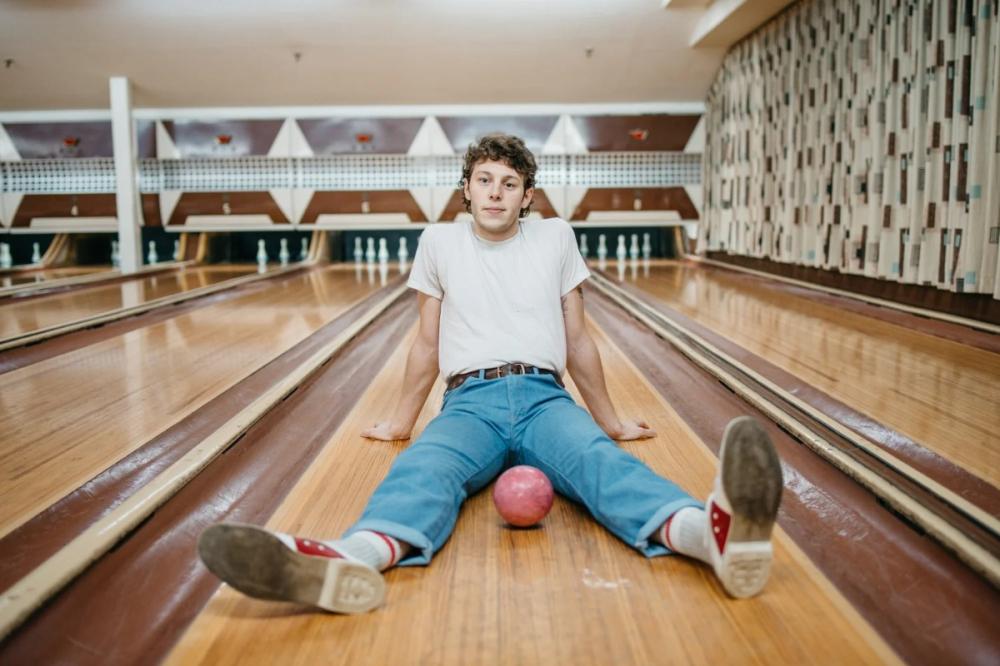
Images courtesy of St.Arnaud
If I remembered I would tell you...
The song asks, 'When everybody loves everybody, how can anybody love anybody?' Do you think modern social life has made sincerity harder to recognise, or are we all just dramatically overthinking drunken compliments?
Drunk compliments have their place, but I feel some people have adopted that persona full-time, which can be annoying.
There’s a delicious tension in the track between cynical lyrics and genuinely warm, soulful grooves. Was it important that listeners dance first and existentially spiral second?
Yes, exactly! Someone told me once when I was a young teen that a song I was enjoying wasn't good because the lyrics weren't 'important', and I thought, 'Who cares?' I'm enjoying it anyway.' So I try to make sure that whatever I'm saying is wrapped in something musical that is interesting on its own.
You called the white-soul sound part of the joke – were there any moments in the studio where you thought, 'Oh no… this actually slaps too hard to be satire'?
If it passes as an actual soul song and slips on to someone's genre playlist as a result, I think that's awesome.
The line 'this is a new time, a YOU TIME!' came out of a laughing impasse in the studio. Are the funniest accidental moments usually the ones that survive on the record?
Rarely do they survive onto the record! Lots of laughter in the studio, but usually the cabin fever has set in and the results wouldn't be much of a laugh to anyone outside of the bubble!
This album sounds like a big shift from solitary songwriting toward a true band identity. What changed emotionally once St.Arnaud stopped feeling like 'Ian’s project' and started feeling like a collective organism?
It's been gradual, really, but learning to let more control go has actually led to more of my/our ideas coming forward and getting fleshed out into full songs. If you hold on too tightly, you're prone to criticise something before it's even shown to others and has a chance to develop.
.jfif)
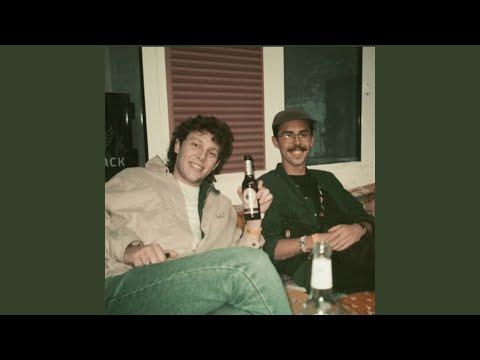
Images courtesy of St.Arnaud
Hey, those offenders are some of my favourite bands! The 'goofy side of indie rock' thought came from feeling like I was never cool enough to hold a straight face on stage and perhaps not talented enough to pull off being so self-serious. I realised I'm more keen to laugh things off and acknowledge my mistakes as an artist. I'm happy to stay a fan of the 'geese' of the world, but in my corner of the music world, it just feels more forgiving and less heavy.
Jonathan Richman, Paul Simon, and Orange Juice are such specific reference points. Was there one album or song you kept returning to while making this record that became a kind of accidental north star?
I'm actually gonna throw in a new one: Smog (Bill Callahan). That guy really knows how to balance being light-hearted and comedic as a lyricist with real meat-and-potatoes songwriting. Album: Dongs of Sevotion.
The album explores 'finding movement in times of stillness.' Do you write best when life is chaotic and unfolding, or later when you finally have enough distance to narrate it?
As I get older I learn that life doesn't just yield; the clouds don't part on their own to provide time for reflection. It's a clawing, gnawing battle to find that space and distance for narration. My favourite time is when I get to slam down the chaos, basically procrastinating it, and demand stillness. That's a real privilege I try not to take for granted when it comes.
You mention preferring to 'sandwich harder emotions between lighter topics.' Is humour a defence mechanism for you creatively, or is it actually the clearest route to honesty?
I think that's a family thing, something we all do in the St.Arnaud household – we struggle with the serious stuff, but we're not a barrel of monkeys either. The best I can do is confront the real, hard stuff, but I can't help but temper it with a shrug and a joke. It's my real and best attempt at honesty.
The rollout format — three deluxe singles acting as musical 'movements' — feels almost cinematic. Did you always imagine this album as something listeners would experience in chapters rather than as isolated tracks?
More than being an art project on top of the album itself, I just wanted more space and time for listeners to digest the songs before they move on to the next thing. A long blooming season.
The recording process sounds almost suspiciously smooth. Were there any songs on the album that absolutely refused to reveal themselves until the last possible second?
It's easy to forget that the writing, at least the part I do on my own, takes a very long time to come together. Blue Paper probably took 3 years to come to fruition, and I think it was something we all doubted would pan out even halfway through the bed tracks. The end track, to be honest, hardly made the album cut! It still feels half-baked, but there are redeeming qualities, and that's life; so I kept it and we move on to the next (song, album)
Your music often balances slacker charm with really sharp emotional observation. Do you ever worry listeners will miss the emotional gut-punch because they’re too busy nodding along to the groove?
No, not really; I think we have a small but dedicated listenership, and they know what to expect by now, and it doesn't matter to me if they just enjoy the bassline or know all the lyrics!
Having played festivals like The Great Escape and Tallinn Music Week, have you noticed any differences in how international audiences respond to the dry humour and awkward sincerity in your songs?
Not particularly! When we get to play these great festivals (more please!), I mostly focus on putting on a tight performance and passing the vibe check; lots of the detail in the lyrics gets lost, which is why you hope you can just reel people in close enough to listen to the album or another show.
If Love You! (For Real) had to soundtrack one specific social scenario besides a bar conversation — wedding dance floor, awkward after-party, group chat meltdown, etc. — where would it thrive most chaotically?
New theme song for Temptation Island.