


search
date/time

Tue, 4:00AM
broken clouds
15.5°C
S 10mph
broken clouds
15.5°C
S 10mph
 | Sunrise | 6:27AM |
| Sunset | 5:13PM |  |
P.ublished 5th November 2022
frontpage
It’s For The Best
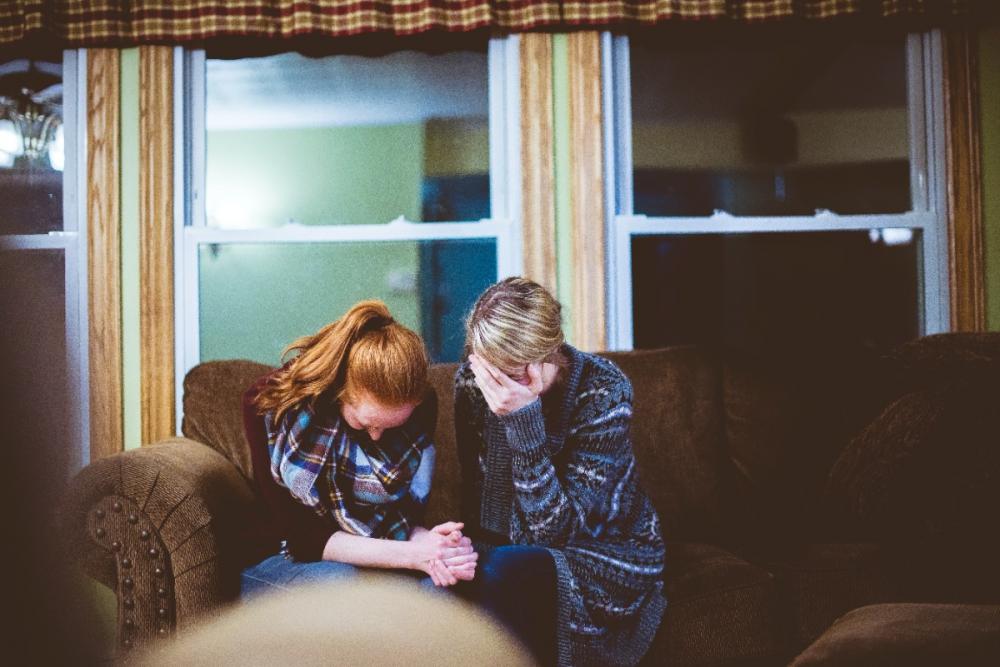
Photo by Ben White on Unsplash
Imagine the sixties as a time of free love, the sexual revolution of Britain with the introduction of the pill. However, the contraceptive pill was only available to married women and became accessible to unmarried women in 1967 along with the legalisation of abortion.
What was the cost of ‘free love’ for the women who weren’t married, without access to contraception?
Shotgun wedding, backstreet abortion or adoption.
We hear a lot about the first two options but rarely hear about the thousands of women that were forced to go through with their pregnancy, love, and care for their child only to be permanently separated by adoption.
An estimated 500,000 British women were affected by forced adoptions of illegitimate babies in the post war years. In Leeds alone there were at least three mother and baby homes to facilitate this.
It’s shocking to learn that the stigma of being an unmarried mother was so prevalent in the ‘swinging sixties.’ The pressure on these women was immense from parents, partners, religion, and society to give their baby up for adoption.
I became aware of this subject by hearing of it in passing, talked about quietly, as if it were a shameful secret. I delved further into the history books and found there was hardly any information on it at all.
Interviewing women from this time and hearing some of the most heart-breaking stories ignited a passion within me. I wanted these women to be heard, to illustrate what shame, stigma and societal pressure forced them to do.
It is time their story was told.
Out of the ten women I interviewed the timeline of events for all of them were similar. They found out they were pregnant, they tried to hide this for as long as possible.
They went to the doctor who confirmed their pregnancy and sent them to see a moral welfare officer, who would explain that the only option for them and the baby is adoption. “It’s for the best”.
The women would be hidden away from society and sent to a mother and baby home, where the treatment was 'draconian', 'frightening' and 'judgemental'.
They would spend 12 weeks in the mother and baby home, 6 weeks prenatal and 6 weeks antenatal. During this time, they had to work in the homes to 'earn their keep'. Jobs included, scrubbing the floor, laundry, and cooking.
Freedom was restricted in the homes. They were not allowed to leave unless it was the permitted one afternoon per week to get essential supplies. They weren’t allowed personal items and regular room searches took place. In some cases, their private mail was read before they received it.
One woman quoted said: “it was like a prison.”
They were only allowed scheduled time with their babies. Once in the morning, at lunch and once in the evening. Even during these limited visits, they were rushed to put the baby down and get back to work.
They were not allowed to enter the nursery on a night.
Adoption papers were produced, not explained and the women were told to sign them. Some of the women felt extreme pressure from the staff to sign the papers.
In some of the homes the women knew when the adoption day was taking place and that morning had to dress their babies in the clothes the new adoptive parents had provided.
All the women in the home would crowd in to one room and look out of the window to get a glimpse of who the new parents were and to see the baby leave.
In other cases, they didn’t know it was the last time they would see their baby. One woman told me: “I went into the nursery, and he was gone.”
Immediately after their baby had gone the women had to leave the home without any chance to say goodbye.
A woman who was at Browning House explained: “I remember one girl disappeared New Year’s Day. We had no idea where she had gone, she just wasn’t there for breakfast, they had taken her so early.”
After they had left the home, they had to re-join society many of them forbidden to talk about their experience.
This left lasting effects on the women. One woman stated: “If I had any sort of knowledge, I would have killed myself. It was that bad.”
It is time their story was shared. As societal acceptance has progressed, we need to acknowledge where we have progressed from.
The shortened address for this article is: newspub.uk/01ht2