


search
date/time

Wed, 10:00PM
overcast clouds
13.6°C
WSW 8mph
overcast clouds
13.6°C
WSW 8mph
 | Sunrise | 5:26AM |
| Sunset | 6:37PM |  |

Andrew Palmer
Group Editor
P.ublished 30th May 2026
travel
La Dolce Strada: Memories Of Italy In A Vintage Rolls
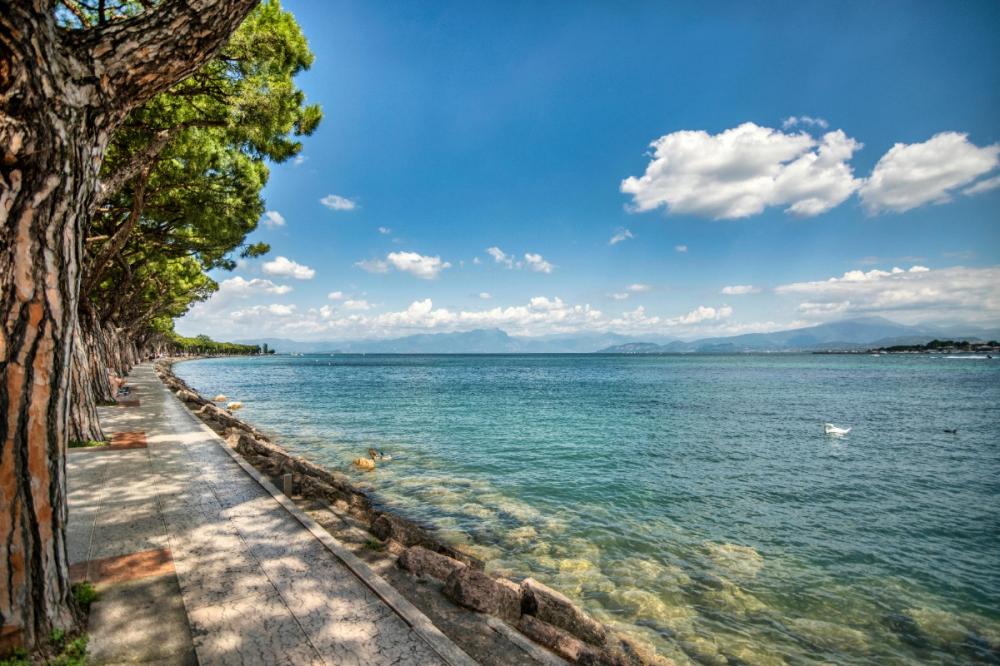
Lake Garda
Photo: Piotr Arnoldes Pexels
The Road Less Driven
Driving in Italy has a reputation. Anyone who has navigated Rome will understand the particular existential terror it produces. But Trentino is quite another country. The experience was a chauffeured tour through landscapes that seemed to belong to a gentler, unhurried century — the century, perhaps, that had given birth to those magnificent cars purring along roads lined with vineyards heavy with late-September grapes.
The car is the only proper way to see this part of the world. It confers a freedom no tour bus can match — the freedom to stop on impulse, to pull in beside a crumbling fountain in a village square, to linger over lunch while the atmosphere of an ancient town seeps into you unbidden. No guides shepherding you onwards. No itinerary tyranny. Just the road, and what lay along it.
At the end of September, Trentino heralds the Traubenkur, a regional grape cure of cheerful implausibility in which copious quantities of freshly crushed juice are consumed in the name of health. The region is also Italy's foremost producer of quality grappa— distilled from fermented grape skins, clean and fiery, as uncompromising as the landscape that produces it. This is an Italy in quiet renaissance: unspoilt, self-possessed, and confident in its beauty.
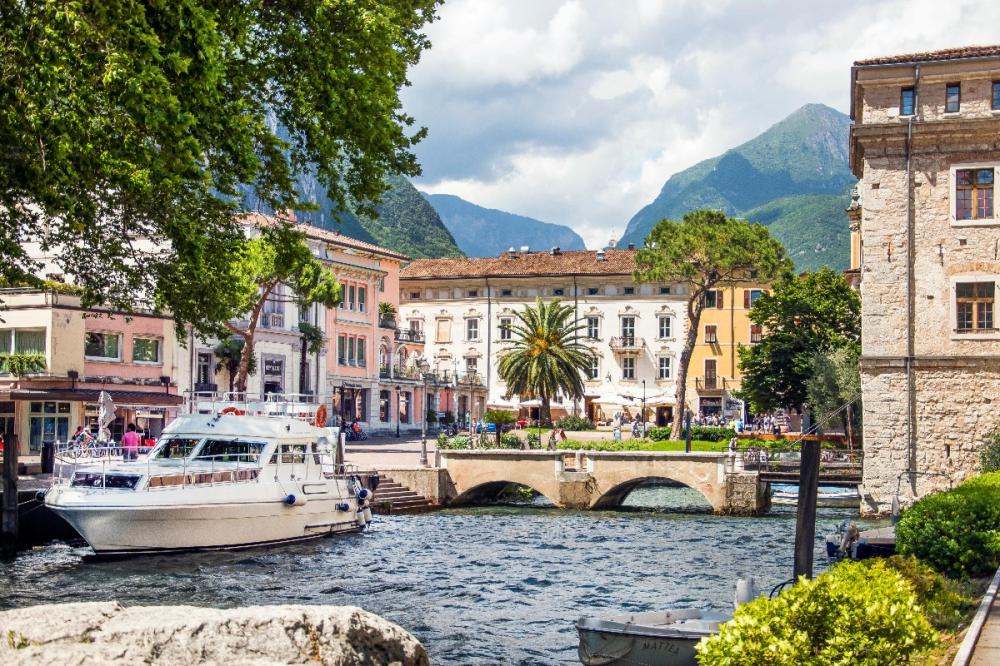
Riva del Garda
Photo:Piotr Arnoldes Pexels
Lake Garda — the largest in Italy — had long held a romantic grip on my imagination, and seeing it for the first time from those leather-upholstered heights did not disappoint. At noon each day, a wind known as the ora rises along the water, drawing sailors and windsurfers from across Europe. By the time we reached Riva del Garda, at the lake's northernmost tip, the resort felt like a reward earned—a civilised, beautiful counterpoint to the theme parks and livelier resorts strung along the southern shore.
From Riva, the great art cities fan outward—Trento, Verona, and Venice— each within an hour's reach. But the real discoveries lay closer, along unmarked roads climbing into the hills. Drena Castle broods over its valley with magnificent indifference. The mediaeval village of Canale, criss-crossed by antique lanes and commanded by five castles, barely notices the outside world at all. Its narrow, winding streets are ghost-like in the most beguiling sense—beautiful, still, and given over almost entirely to artists who have recognised in their quietude something irreplaceable. The road towards Madonna di Camogliolo, which climbs to 600 metres, suddenly reveals a breathtaking view: Riva del Garda spread below, the lake shining beyond it, and the Dolomites silvering the horizon.
The restaurants served fish from the lake. The castle at Arco rewarded the long climb to its summit not merely with commanding views but with recently discovered frescoes that made the breathlessness worthwhile. Everywhere, renovation was under way — unhurried, careful, as though the region understood that what it was preserving was worth preserving well.
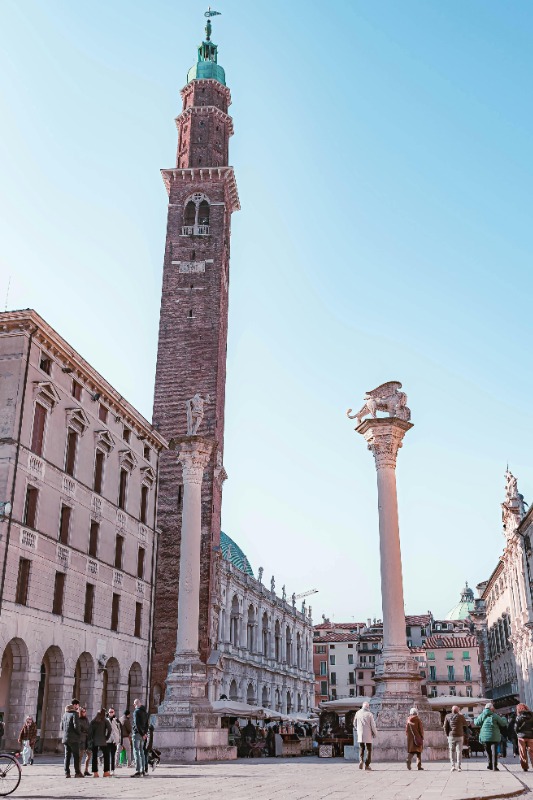
VIcenza
Photo: Cătălin Todosia
To drive into the Vicenza area is to open another door entirely. The Parco Giardino Sigurtà, a garden of theatrical ambition, rivals the best of the English country house tradition, which is a significant achievement. Vicenza itself captured something I had previously associated only with E.M. Forster's Italy: shuttered shops, churches resonant with the particular echo of old stone, and a central square drenched in olive green, pink, and yellow that placed its architecture in the most perfect of natural settings. The Teatro Olimpico, the world's oldest surviving indoor theatre, demands a visit from anyone who has ever cared about what civilisation can do at its finest.
It was here, in a shop off one of those sunlit streets, that I bought a small gift for my nephew — not yet born, merely imminent, waiting for us back in England. He is 28 now. That is how long ago the event was and how vividly it remains. Vicenza has that effect: it imprints itself.
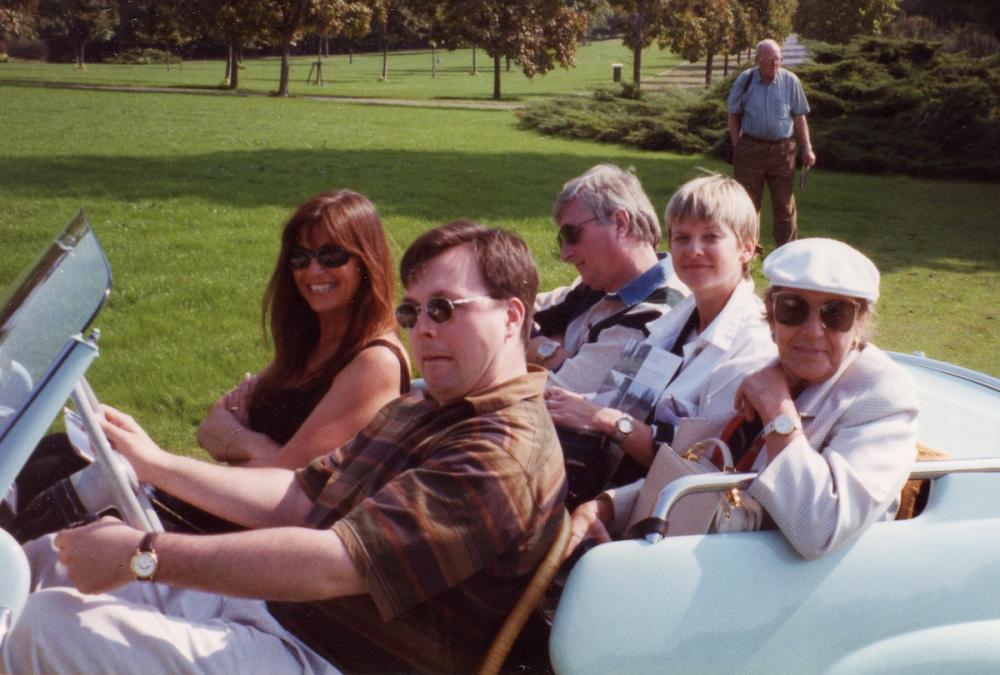
An intrepid journalist taking to the road in Italy.
Treviso offered a different pleasure altogether — the pleasures of the table. Chicory, asparagus, cheese, mushrooms, guinea fowl. The risottos were rarely shy of salt, and all the better for it. Regarding dessert, the ice cream is superb, but it is not the main focus. The tiramisù, invented in this region, is the real thing: a reminder of why some dishes deserve to travel, and some perhaps don't need to travel at all.
This region is an Italy that has not yet been consumed by itself. Vicenza is elegant and quietly dreaming. The hinterland between the mountains and the plain exists somewhere between past and future, unhurried by either. I was in my twenties and wide-eyed, and it made an impression that thirty years have done nothing to diminish. I still think of the aurora rising on the lake. I still think of those cars.
Notes taken from Andrew Palmer's original article
Also by Andrew Palmer...
Aviva And Chase Lead Surprise Comeback As Britain's Big Names Win Back TrustClassical Music: Elena Ruehr: Violin Concerto No. 1Classical Music: Janáček The Excursions Of Mr BroučekClassical Music: Beethoven String Quartets Vol 3Classical Music: Mahler's Symphony No. 3 in D minorThe shortened address for this article is: newspub.uk/01zme
More in this series...
Bucket List: Japan — Where the Trains Run on Time, the Sumo Runs Fast and the Wasabi Runs HotBucket List: Rio de Janeiro — Where 007 Pointed, and I FollowedBucket List: Not A Destination, But An ExperienceOktoberfest: The Dream, The Drench, And The DetourBucket List Destinations: Do They Live Up To Expectations?Search Results