


search
date/time

Thu, 7:00AM
light rain
6.3°C
WSW 6mph
light rain
6.3°C
WSW 6mph
 | Sunrise | 6:44AM |
| Sunset | 4:52PM |  |
P.ublished 1st May 2026
family
Leeds Counsellor's Tips For Parents On How To Survive Exam Stress During GCSE/A-Level Season

Photo: www.kaboompics.com on Pexels
Lisa Norfolk, a person-centred counsellor and psychotherapist with two decades of experience in the charity sector, says parents are often keen to find ways to deal with their children’s exam anxiety.
But parents need to shift their thinking to focus on their own wellbeing – and put their own oxygen mask on – first.
The advice follows a study linking academic pressure on teens to an increased risk of depression and self-harm. The research, by University College London (UCL), found these mental health issues could persist into adulthood.
Lisa says that common signs your child is suffering from exam stress may include withdrawal from ‘normal life’, struggling with sleep or a loss of appetite. But each of these can be the opposite too depending on what is ‘normal’ for the young person.
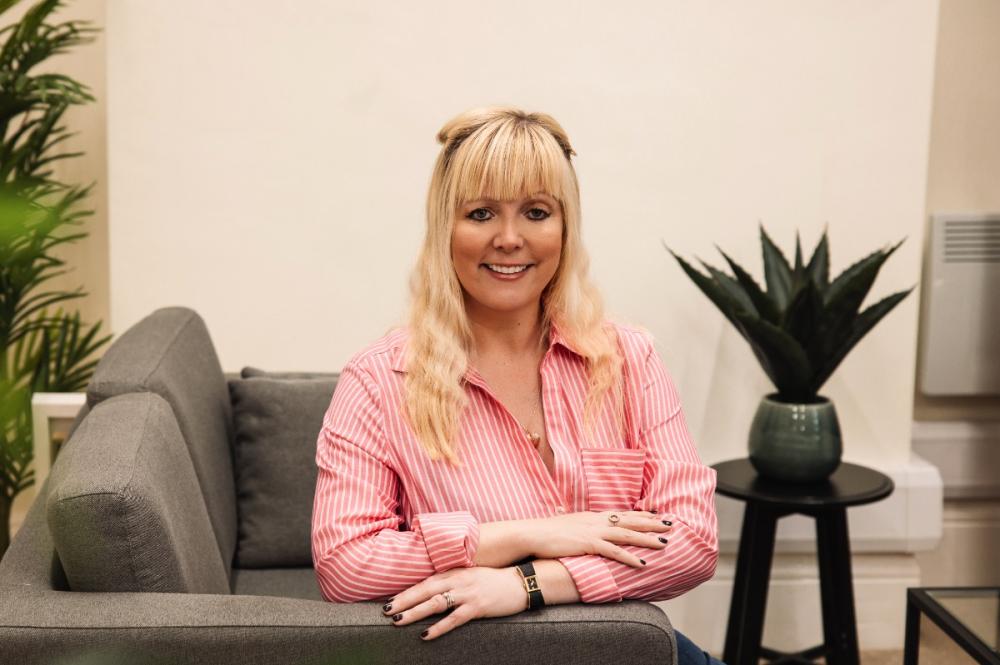
Lisa Norfolk
"Think about revisiting old hobbies and interests, and checking in with friends. Setting boundaries and being able to say no to things is also very important; put time aside for yourself. Meanwhile, maintain your own energy levels - eat healthily, and prioritise your sleep and movement.
Lisa, who is registered and accredited by the British Association for Counselling and Psychotherapy (BACP), is sharing her tips ahead of Mental Health Awareness Week (11th to 17th May). She worked as a counsellor for 20 years at Leeds-based The Market Place, which provided free mental health support to young people. Funding cuts forced the charity to close last September, leaving a gap in community-based youth counselling in the city.

Lisa Norfolf
Her new practice, Lisa Norfolk Counselling, offers counselling to young people from age 11 upwards as well as to adults at two locations in Leeds, including in Leeds city centre. She also offers online counselling.
“I believe that adults and young people should have adequate access to free counselling and therapy,” she explains. “Which is why I dedicated half my life to working in the third sector/charity sector.
“In my private practice, I offer subsided places for counselling students and those who are struggling or on a lower income. I have also continued to work in the third sector for the Bradford charity Step 2, providing counselling and wellbeing support for young people.”
As a former GB archer, Lisa brings a background in competitive sport, which informs her understanding of performance pressure and family dynamics. She also recently contributed a chapter to the book People not Pathology, Freeing Therapy from the Medical Model. This reflects on her years of therapeutic work with children, young people and families at The Market Place.
1. Find a balance between revision and relaxation work/life balance - activities of enjoyment shouldn’t be forgotten.
2. Reframe negative thoughts. For example, ‘I can’t do this exam’ to ‘These exams feel difficult and it’s natural to feel this way, but it will come to an end and I can do this’.
3. Use grounding techniques to feel connected and present, such as naming: Five things you can see, four things you can touch, three things you can hear, two things you can smell and one thing you can taste.
https://www.instagram.com/lisanorfolkcounselling/
The shortened address for this article is: newspub.uk/01z9s