


search
date/time

Thu, 1:00AM
overcast clouds
14.9°C
S 12mph
overcast clouds
14.9°C
S 12mph
 | Sunrise | 6:29AM |
| Sunset | 5:10PM |  |
P.ublished 14th October 2026
frontpage
Leeds Swaps The Sofa For The Titanic As The ‘Escapism Economy’ Takes Hold
Immersive attractions worth £425m to Yorkshire and the Humber
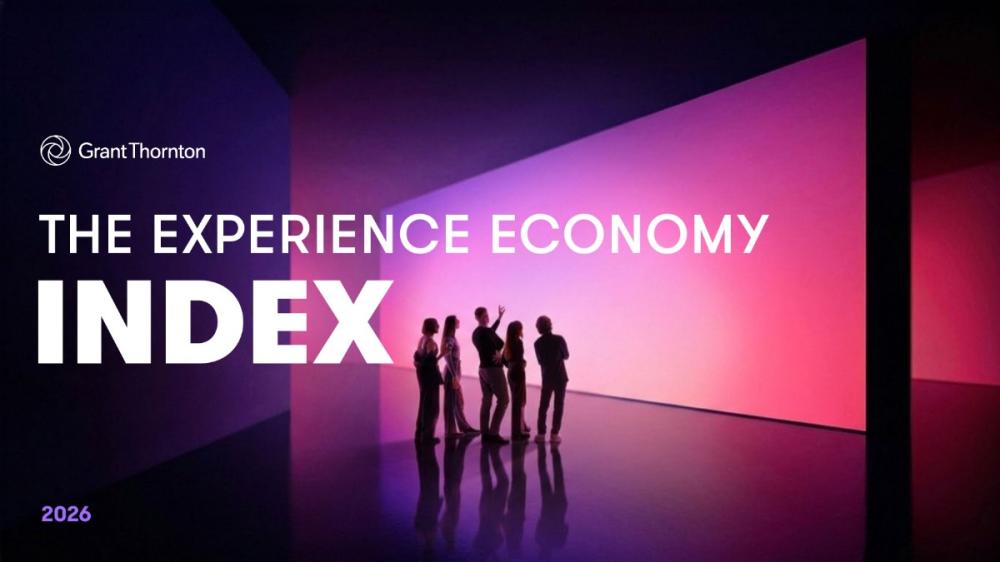
Titanic: A Voyage Through Time, a virtual reality experience that takes visitors back to 1912 to explore the doomed liner and uncover its story, is one of a growing number of attractions turning Leeds into a centre for immersive entertainment. An estimated one million people in and around the city attended an immersive experience during the past 12 months, according to the latest Experience Economy Index from Grant Thornton UK.
Grant Thornton produced the report with Experience UK and academics from King’s College London. It charts a rising appetite for in-person events that cast audiences as participants rather than spectators, and for the chance to escape everyday life for an hour or two.
Leeds has long been known for its music, nightlife and sport. Douglas Tailby, a Leeds-based partner at Grant Thornton UK, believes immersive attractions are now taking that reputation “to the next level”. He suggests Yorkshire audiences no longer need to make the trip to London for a first-rate experience, and that the city is drawing visitors from across the county and well beyond.
The national picture helps explain the boom. Consumer research for the report found that 38 per cent of UK adults put experiences first in order to create lasting memories, 36 per cent to spend quality time with those closest to them and a quarter simply to get away from the daily routine. Two in five said digital overload was making them more inclined towards activities that help them feel present.
Possessions, meanwhile, are losing their lustre. Some 40 per cent of Britons are increasingly favouring experiences over material goods, rising to 54 per cent of 18- to 34-year-olds. That is good news for a city with a young population as large as Leeds.
Technology, curiously, appears to be strengthening the trend rather than undermining it. Dr Hang-Yee Chan and Dr Ozlem Tetik of King’s College London expect the gap between experiences and possessions to widen as younger generations gain spending power. They add that the spread of AI may increase demand for face-to-face experiences, “as live and shared moments gain relative value precisely because they cannot be automated.”
For the regional economy, the numbers are striking. Grant Thornton’s modelling estimates that immersive experiences generated £425m of spending across Yorkshire and the Humber over the past year, once supply chains and employee spending are included. That translated into £216m in gross value added and supported around 3,241 full-time equivalent jobs.
Visitors are also spending money outside the attractions themselves. A survey of 4,000 consumers found that 39 per cent of immersive experience-goers in Yorkshire and the Humber went shopping locally during their visit, while 30 per cent ate or drank at a nearby business.
Tom Middleton, economic consulting partner at Grant Thornton UK, says the effects reach well beyond the entertainment sector into hospitality, retail, travel, technology, infrastructure and even financial services. Other businesses, he believes, could learn from the sector by making each customer interaction more memorable and better connected.
The challenge now, according to Mr Tailby, is to keep the momentum going. He would like to see businesses and public bodies invest in fresh ideas and in the industries that support the sector, so that the benefits spread across the wider county.
Leeds, it seems, has found a voyage worth repeating, and one that keeps Yorkshire’s money at home.
The shortened address for this article is: newspub.uk/021aj