


search
date/time

Thu, 7:00PM
light rain
13.6°C
WSW 13mph
light rain
13.6°C
WSW 13mph
 | Sunrise | 5:40AM |
| Sunset | 6:17PM |  |
P.ublished 9th October 2025
business
Leeds’ Tech Scene Is Truly Coming Of Age, Says Digital Festival Director
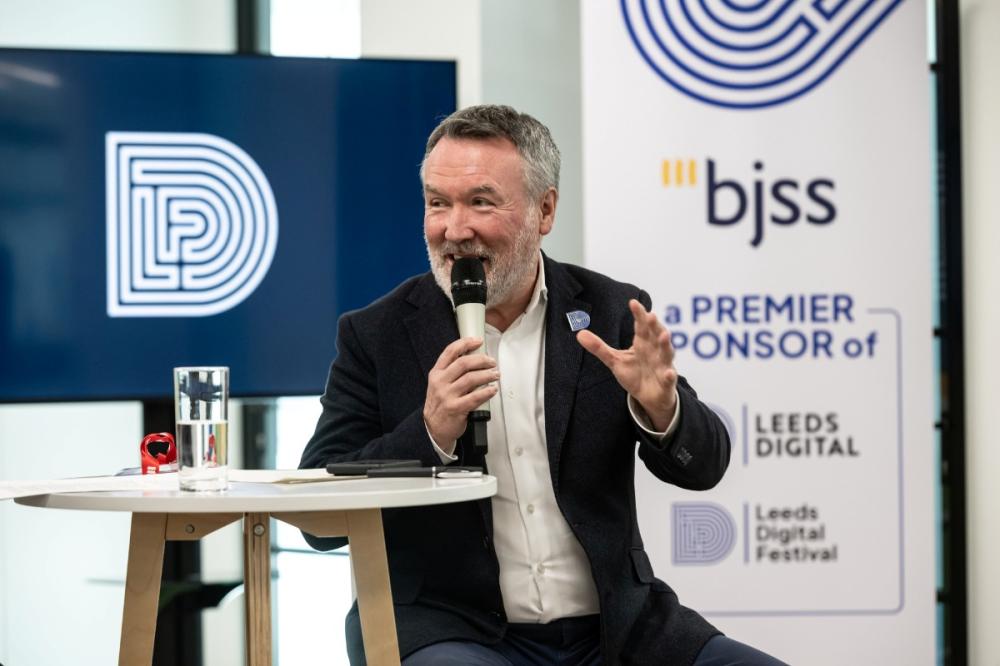
As the festival wraps up its tenth year, Clarke points to deeper collaboration with universities, fresh routes into tech, and a distinctive local culture as reasons why more startups and established firms now choose to build and stay in the city.
Speaking exclusively to Planet Sport’s Chief Marketing Officer Andy Roberts, following the announcement that he will step down as festival director in September, Clarke MBE shares his optimistic outlook for Leeds’ technology sector.
Rapid growth for the Leeds tech sector
“We’ve seen a real shift,” Clarke says. “Ten years ago, you could count the number of startups in the city on one hand, and lots of the bright young talent from local universities would often move to London if they wanted to build a startup, because the money and the possibilities were there.”
Now, more and more graduates are choosing to stay, or come back after university, because they see the possibilities here, claims Clarke.
“We're so much better at keeping talent now, because we've got an ecosystem to support it. The chances are, if you're a second or third year at one of the universities in Leeds, you'll know someone a year or two ahead of you who's stayed in the city and either worked for a tech firm or built their own startup.”
Leeds Digital Festival itself started from humble beginnings in 2015, when a small group of volunteers met in a pub to plan the first event. Today, it’s the largest open-platform tech event in the UK, a reflection of how far the city’s tech community has come.
Clarke believes the city’s tech ecosystem benefits from its collaborative spirit. “People say yes here, whether it’s giving young people a chance, sharing knowledge or introducing potential clients,” he explains. “It’s something unique to Leeds, and it helps companies grow while staying rooted in the city.”
This local focus is paying off. Startups are launching, established companies are opening Leeds offices, and the city is becoming a genuine alternative to London for tech talent and investment.
Stuart describes the impact it's had: “One of the things I've liked about the festival is that it's brought the tech sector together, and it's given us a bigger voice nationally and internationally. There are many more resources to support graduates and start-ups than there were a decade ago, from an extensive network of services to business hubs at universities, and co-working spaces such as Avenue HQ.
“Instead of being isolated in a back bedroom, founders are now bumping into each other, getting advice, finding mentors, and that kind of environment makes a huge difference. It’s a big reason we’re seeing more startups and more success stories in Leeds.”
Alongside this cultural shift, Clarke highlights practical changes too: more external venture capital flowing into the city, and a new angel investor network supporting early-stage businesses.
He says tech firms are also engaging with students much earlier. “I think a lot of tech firms are much better at engaging with the universities rather than rocking up in the last week or the last term and saying, ‘Hey, do you want to work for us?’”
“I’ve seen it first hand, companies talking to students in their first year and showing what opportunities are available, which is just really good to see.”
This early engagement is backed by an increased focus on apprenticeships and routes into tech beyond the traditional university path.
“You're getting great stuff coming out of the city college, and there’s a lot more willingness from firms to get involved with apprenticeships,” Clarke says.
He also points to a broader shift in what employers look for, saying: “I think we've changed from ten years ago, chasing the elusive computer science graduate, to realising it’s actually about inquiring minds, people who respond to challenges, people who fit well with the culture.”
A determined attitude about the city inspires entrepreneurship, because “we want the whole city to win”. Clarke comments, “I think that talent is really key, building up the right calibre of people and letting them get on with it. One of the things I’ve noticed about Planet Sport is that they’ve got talented people who are good at their jobs and just crack on.”
A rising tide raises all boats
Leeds’ size makes it easier to foster real connections, Clarke says, something that sets it apart from larger cities like London.
Business networks like Leeds Digital and Digital Sport North, of which Planet Sport is a key sponsor, have been central to that growth. Bringing together students, startups, established companies and investors, these regular meet-ups help build relationships and keep talent in the city.
“Growing a business becomes so much easier when you’ve got those connections and you’re not working in isolation,” Clarke says. “It’s why we’re seeing more people launch, stay and succeed here.”
Looking ahead, Clarke plans to continue supporting startups, championing northern tech talent through his PR & Marketing work at Paceline and as founder of UK Tech Week.
Moving into a non-executive board role, Clarke expects Leeds Digital Festival itself to keep growing “onwards and upwards” as he hands the reins to respected tech and digital figure, Deb Hetherington.
As he steps back, his message is clear: Leeds is ready to be heard on the national stage, and the future looks bright.
The shortened address for this article is: newspub.uk/01wu8
Search Results