


search
date/time

Tue, 12:00PM
few clouds
13.6°C
SW 17mph
few clouds
13.6°C
SW 17mph
 | Sunrise | 6:54AM |
| Sunset | 4:41PM |  |
P.ublished 3rd October 2026
family
Maternity Services Have A Litigation Problem
By Dr. Lorin Lakasing, author of “Delivering the truth: Why NHS maternity care is broken and how we can fix it together
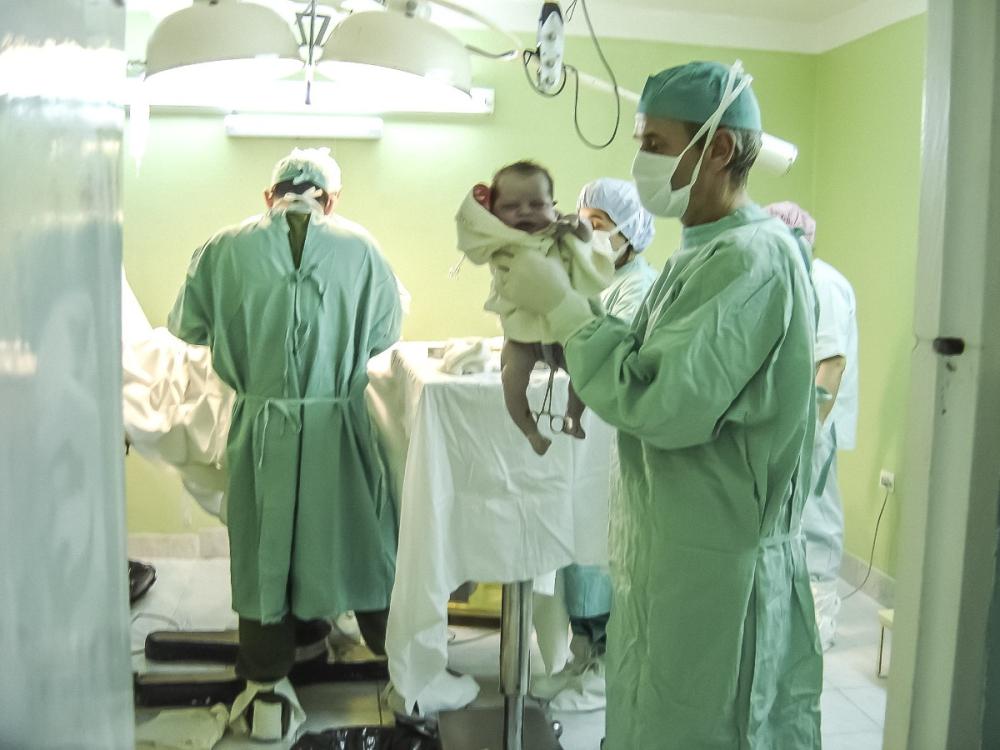
Image by Eloísa Garrido from Pixabay
But twenty-odd years of inquiries has repeatedly implied that all bad outcomes are avoidable and that accountability means finding someone to blame, contributing to a culture of litigation that is now, quite simply, unsustainable.
The scale of the problem
The numbers alone are striking. Last year, over £3 billion was spent on clinical negligence in maternity care ─ a figure that has tripled since 2006-07. Of that, £2.3 billion goes in compensation payments, with a further £802 million swallowed by legal costs. And because cases take ages to settle, the current national provision for accumulated liabilities is £60 billion of which £37.5bn is due to maternity.
Approximately one in every 500 deliveries in England results in a lawsuit. The average birth injury claim takes almost seven years to resolve. During that time, staff involved cannot discuss the details of the case with colleagues or in learning forums, restricting the kind of honest debrief that might actually prevent the same thing happening again. The opportunity to learn is locked away behind legal process for the best part of a decade.
And yet, for all this expenditure, between 55 and 60 pence in every pound spent on negligence claims goes not to the patient but to legal and administrative fees. The system is, by any reasonable measure, a spectacular waste of public money. Every pound spent on litigation is a pound not spent on a midwife, a scanner, or a postnatal support service.
The cost to frontline staff
The impact of all this on frontline staff is profound, and it is rarely acknowledged in the public debate. A BMA survey in 2018 found that 45% of doctors were fearful of making errors, with 55% reporting that this fear had grown over the preceding five years. Studies show that 18% of frontline staff involved in poor outcomes develop PTSD. One in nine middle-grade doctors report having experienced suicidal thoughts. These are not abstract statistics. These are my colleagues.
And this fear of litigation actually changes the way care is delivered. Staff practice medicine defensively. Women are counselled with carefully hedged language calculated to avoid future criticism. Interventions are made or avoided based on what can be defended in a courtroom rather than what is best for the patient.
Talented clinicians are leaving maternity care altogether for specialities that carry less legal exposure or for early retirement, taking decades of accumulated expertise with them. Those who remain are working in a climate of anxiety that is incompatible with the kind of confident, compassionate, expert care that mothers and babies deserve.
What other countries have done
The UK is not alone in having grappled with these problems, but we are relatively slow in admitting the problem and exploring better solutions.
New Zealand introduced a no-fault compensation scheme in the mid-1970s under which patients receive compensation for treatment injuries without needing to prove negligence. Administrative costs run at under 10 per cent of total expenditure, compared with 55 to 60 per cent in the UK, where legal and administrative fees consume the majority of what is spent.
Sweden, Finland, Denmark, Norway, and Japan followed with their own variations on the no-fault model with some studies showing that patient satisfaction is higher, largely because resolution takes weeks or months rather than years, and staff morale and retention are measurably better.
Claims volumes in no-fault countries tend to be nine to seventeen times higher than in England but average payouts are considerably lower, and the overall cost to the system is frequently less. In Japan, there has been a documented reduction in cases of hypoxic brain injury since the introduction of no-fault compensation, though this has not been replicated consistently elsewhere.
France, by contrast, has developed non-legal routes that aim to bypass the civil courts altogether, reducing legal fees and administrative burden. While other countries, such as Taiwan, have introduced a cap on liability to manage costs to avoid the litigation burden growing into unmanageable figures.
No perfect system
The counterarguments to system reform are not without merit. Critics of no-fault schemes raise several legitimate concerns. If compensation is available regardless of whether care was negligent, what happens in cases where the patient's own choices contributed to the outcome? What happens if a woman declines a recommended caesarean or does not take prescribed medication, for example? No-fault systems have to grapple with these circumstances.
There is also the question of moral hazard: if compensation is guaranteed regardless of quality of care, does that reduce the incentive for healthcare workers and the systems that support them to improve? The evidence from countries operating no-fault schemes suggests not. If anything, the removal of blame culture appears to encourage more honest reporting of errors, which is precisely what learning and improvement require.
Cost is a genuine concern. Projections for a Scottish no-fault scheme suggested it could increase overall costs by anywhere between 37% and 110%, largely because more people would come forward to claim. That is a significant range of uncertainty, and it is not unreasonable to be cautious.
Capping compensation carries criticisms too. Whilst it provides for equitable payments across socioeconomic boundaries, for families facing a lifetime of caring for a severely disabled child, a capped sum may be nowhere near sufficient.
Alternative dispute resolution—structured processes that guarantee a payment without recourse to the courts—offers a middle path. Smaller sums, faster resolution, and less trauma for everyone involved. Not perfect, but potentially better than the current ordeal.
A rethink long overdue
While no system is perfect, our current system is the least perfect of all the available options.
If we do not find a better way to handle this, we risk a situation in which the cost of compensating for failures in maternity care becomes so great that it threatens the viability of providing maternity care at all. Parts of the United States have already reached that point.
Thankfully, we are not yet at that point, but the trajectory is unmistakable.
.jpg)
Web: https://lorinlakasing.com/publications.html
Amazon: https://amzn.eu/d/g1dX9rh
The shortened address for this article is: newspub.uk/0214s