


search
date/time

Mon, 10:00PM
broken clouds
10.7°C
8mph
broken clouds
10.7°C
8mph
 | Sunrise | 4:36AM |
| Sunset | 7:27PM |  |
P.ublished 4th March 2026
nature
Optimism On Coquet Island As Seabirds Show Resilience
Sarah Dalrymple comments six months into her role as first female reserve manager
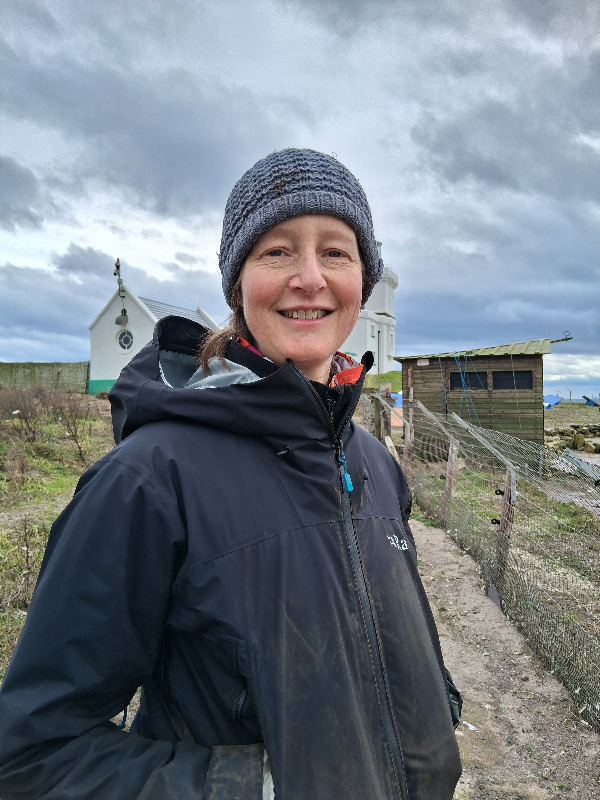
Sarah Dalrymple. Photo by Rebekah Goodwill
Coquet’s rare Roseate Terns recorded their third highest ever number of pairs in 2025, at 144 pairs, with good breeding productivity of 0.94 chicks fledged per pair following the second highest productivity of 1.24 in 2021. Roseate Terns are a threatened Red Listed and Schedule 1 species in the UK, meaning they are at the highest-level of conservation concern.
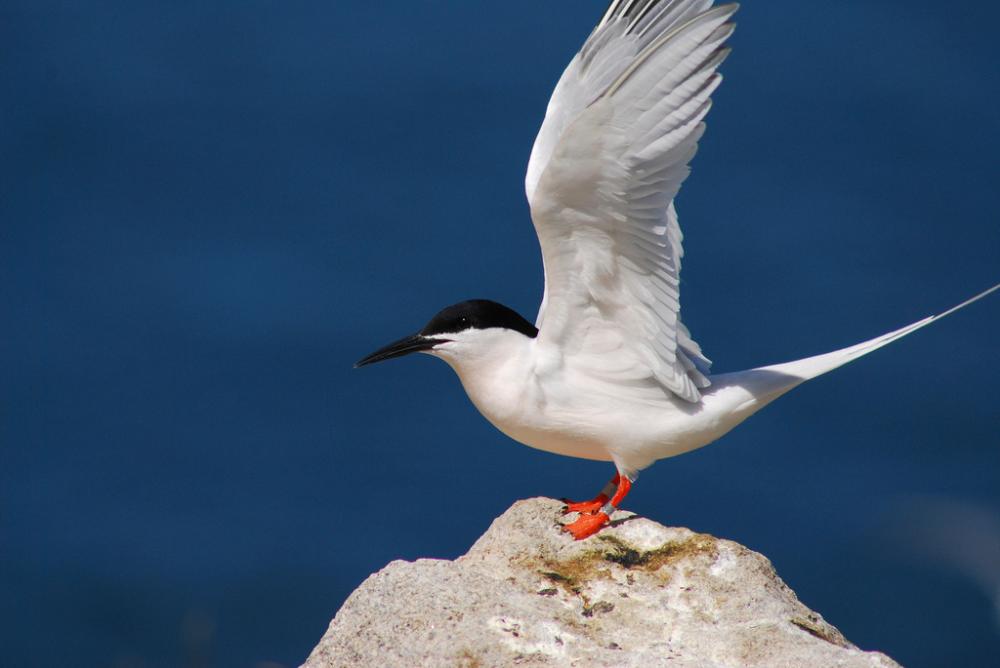
Roseate Tern. © RSPB Images
Puffins up 6%: 18,704 breeding pairs in 2025.
Sandwich Terns at record high: 2,282 pairs; Common Terns increased to 536 pairs.
Arctic Terns lowest since 1991: 531 pairs — but first-ever Razorbills fledged in 2025.
“Seeing these figures gives us real hope,” Sarah said. “After the challenges of the last few years, it’s incredibly encouraging to see species showing resilience. Maintaining Coquet as a safe sanctuary, free from mammalian predators and with high-quality nesting habitat, is absolutely key.”
Coquet Island is one of Europe’s most important seabird sites, protected by intensive wardening throughout the breeding season. Sarah leads a small island team of one warden, Rebekah Goodwill and two seasonal assistant wardens, supported by around 30 local volunteers who help prepare and maintain the nature reserve each year.
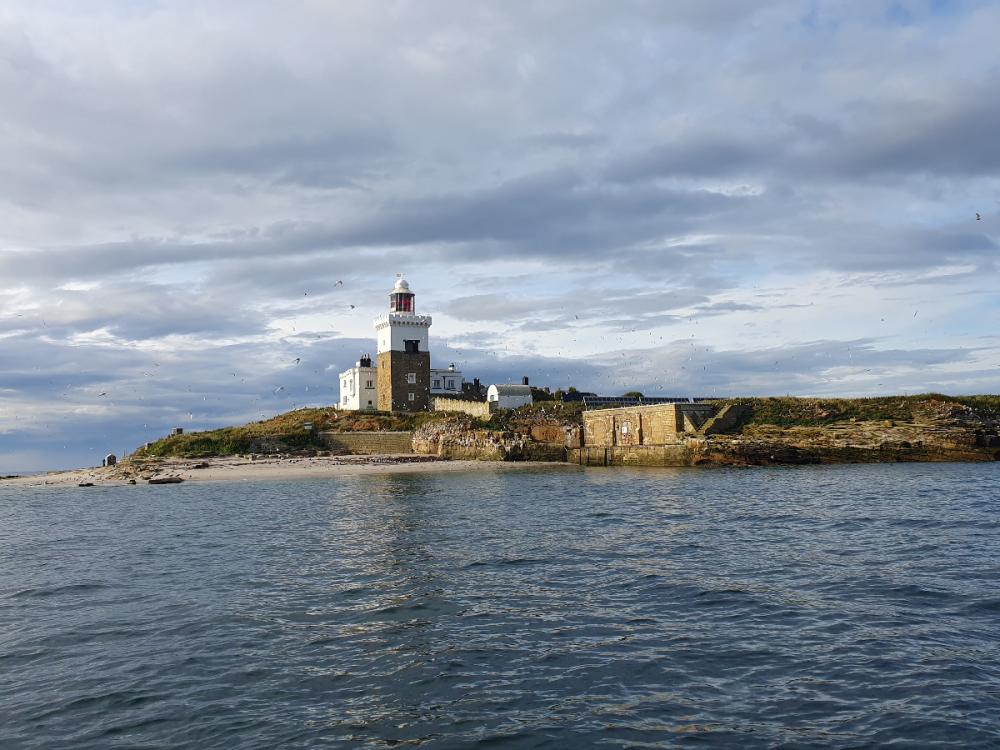
View of Coquet Island Lighthouse. Photo © RSPB Images
“I can’t imagine not living and working by the sea,” she said. “Northumberland’s coastline is incredibly special, and to be able to work here feels like a real privilege.
“Preparation for the breeding season is in full swing, and I cannot wait to see what this season brings. Hopefully, it will be a good year for the birds that call Coquet Island home.”
Life on Coquet blends wildlife, weather and history. Staff accommodation is in former lighthouse keeper cottages built in the 1800s, on foundations that date back over a thousand years. Although Sarah is not based on the island full time, she spends several nights a week there during the summer to support the team during the busiest period.
As spring approaches, preparations are underway for the return of Puffins, Arctic Terns — which migrate as far as the South Pole — and Eider Ducks, known locally as “Cuddy Ducks”, after St Cuthbert, a medieval saint who is known to have visited Coquet Island over a thousand years ago.
A Roseate Tern on Coquet Island. Video © RSPB
“Everything on the island is interconnected,” Sarah said. “My ambition is to build on the decades of conservation work that have made Coquet such an important sanctuary and ensure it remains a safe haven for seabirds for decades to come. I hope I can inspire other young women to get into conservation too, if you have the interest, anyone can turn their passion into a career.”
If the numbers of breeding pairs of Roseate Terns continues on its trajectory this year, it will mean a record number of breeding pairs and a return to levels seen before bird flu devasted the colony three years ago. RSPB experts say it is too early though to say if this is a sign of recovery from Highly Pathogenic Avian Influenza.
Unfortunately, Arctic Terns had a poor year in 2025, with a low of 531 pairs— the lowest count on the island since 1991. This drop in pairs is, unfortunately, part of a similar trend seen in other Arctic Tern colonies in the UK. Sandwich Terns, however, had their highest count ever in 2025, with 2,282 pairs. For long lived species such as terns the recovery process could take many years, and avian flu has not gone away - but overall, the figures last year bring new hope for Coquet’s seabirds.
“We are positive about the future for Coquet Island as numbers in most species increase, and we are seeing new seabirds arrive, with the very first confirmed razorbills fledging from the island in 2025. However, our seabird populations still face many threats and our expert teams will continue to help ensure they have safe places to breed and feed, plentiful food and work to eliminate adult mortality in seabirds.”
Just a mile off the Northumberland coast, Coquet Island is home to around 45,000 breeding seabirds and at present is home to the only UK breeding colony of Roseate Terns.
The island also supports breeding Puffins, as well as Common, Arctic and Sandwich Terns, Eiders, Razorbills, Fulmars, Kittiwakes, and Herring, Lesser Black-backed and Black-headed Gulls, and is protected under international and UK law.
Due to its importance for Roseate Terns and several other species, Coquet Island is a designated wildlife sanctuary and is not open to the public.
Avian Influenza badly affected many of the breeding seabirds in 2022 and 2023.