


search
date/time

Wed, 1:00AM
broken clouds
15.8°C
ENE 8mph
broken clouds
15.8°C
ENE 8mph
 | Sunrise | 5:01AM |
| Sunset | 7:11PM |  |

Jeremy Williams
Arts Correspondent
@jeremydwilliams
P.ublished 25th August 2026
arts
RIP Queen Dolly: What A Life, What A Woman, What A Legacy
.webp)
Dolly Parton wasn't simply a singer I loved. She became part of the soundtrack to my life — and, in so many ways, the lives of the people around me.
I fell in love with Dolly's music years ago. I was lucky enough to see her in concert, and her songs became woven into some incredibly special memories. My ex-husband once bought me a limited-edition Dolly doll and, as a pre-wedding gift, gave me a framed photograph of the two of us surrounded by the lyrics to my favourite Dolly song, Little Sparrow.
When I was preparing for the adoption of my eldest, I bought him a signed copy of Dolly's first children's album, I Believe in You. Friends knew just how much I adored her, and over the years there were countless dances to her biggest hits, shared jokes and Dolly quotes.
And that's the thing about Dolly.
She somehow became personal to everyone.
Born in 1946 in rural Tennessee, Dolly grew up as one of 12 children in a poor Appalachian family. They didn't have much money, but they had music, stories, faith and family. Those roots stayed with her throughout her extraordinary life. She never seemed embarrassed by where she came from; quite the opposite. She carried Appalachia with her, putting its people, its struggles and its traditions into her songs.
For all the rhinestones, wigs and glamour, there was always that little girl from the mountains underneath it all.
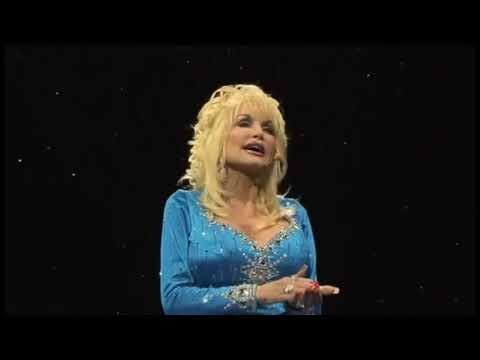
Perhaps that's why she remained so approachable. Dolly became one of the most famous women in the world, yet somehow never seemed to believe she was more important than anyone else. She could make fun of herself, laugh at the Dolly jokes and speak openly about growing up poor. Her success never appeared to make her forget the people she came from.
Her journey to becoming a superstar wasn't straightforward.
In 1967, she joined Porter Wagoner's television show. Wagoner was already a huge country star, and the pair became a hugely successful professional partnership. But Dolly was never destined to remain in somebody else's shadow. When she eventually decided to leave the show, she wrote I Will Always Love You as her farewell to Wagoner.
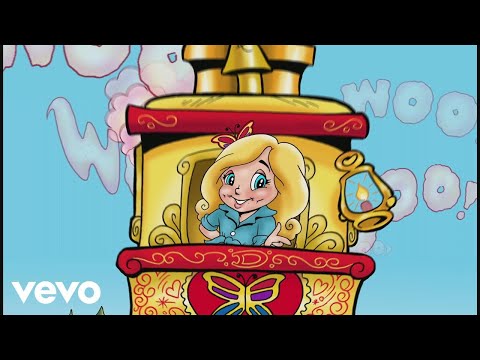
It became one of the most famous songs ever written.
Dolly's original version topped the country charts, before Whitney Houston transformed it into a global phenomenon decades later. It was a perfect example of Dolly's extraordinary gift: she could take something deeply personal and turn it into something millions of people felt belonged to them.
That's what she did again and again.
She was called a country singer, but Dolly never stayed neatly inside one genre. She moved between country, bluegrass, folk, gospel and pop, constantly returning to the Appalachian musical traditions she grew up with. Later in life, she even released Rockstar, a 30-track rock album featuring artists including Paul McCartney, Elton John, Stevie Nicks, Debbie Harry and Sting.
She was still reinventing herself when she could easily have spent her later years simply looking back.
And music was only part of the story.
Dolly became a hugely successful actress, starring alongside Jane Fonda and Lily Tomlin in 9 to 5, and appearing in films including The Best Little Whorehouse in Texas and Steel Magnolias. She wasn't just a famous singer turning up in Hollywood. She had genuine warmth and comic timing, and audiences loved her.
Then there was the businesswoman.
Dollywood became one of the most successful theme parks in the United States, rooted in her love of the Smoky Mountains and the community where she grew up.
There was the Dollywood Foundation and, perhaps most importantly, the Imagination Library. Inspired by her father, who couldn't read or write, Dolly created a programme that provides free books to children. What began in Tennessee grew into an international literacy project.
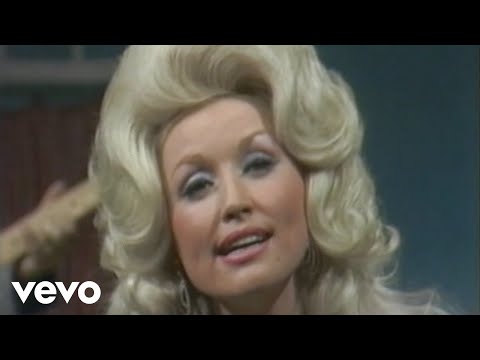
And then, because she was Dolly, there were cake mixes.
Dolly partnered with Duncan Hines on a range of baking products inspired by her Southern upbringing. Later came Dolly Wines, with Chardonnay, Rosé and Prosecco.
Country music. Hollywood. Children's books. Theme parks. Cake mixes. Wine.
It sounds like several different careers belonging to several different people.
But Dolly somehow made them all part of the same story.
She understood that her appeal was never simply about music. It was about making people feel good. Making them laugh. Making them cry. Giving them something to sing along to, something to read, something to remember.
She touched my world. She touched theirs. She touched everyone's.
Even my youngest, just five years old, was sad when she heard that Dolly was gone.
And perhaps that is the most extraordinary part of her legacy: she crossed generations without ever seeming to belong exclusively to one of them.
My children can know Dolly through songs I grew up with. I can hear Jolene, 9 to 5, Coat of Many Colors or Little Sparrow and be taken straight back to particular moments in my own life. Someone else will have their own Dolly song, their own memory, their own story.
She belonged to all of us, while somehow remaining completely herself.
Perhaps these are the words of Dolly's that we should carry with us:
“Don't get so busy making a living that you forget to make a life.”
“The way I see it, if you want the rainbow, you gotta put up with the rain.”
And most importantly:
“Find out who you are. And do it on purpose.”
She certainly did.
Dolly knew exactly who she was. An Appalachian girl who became a global superstar. A songwriter, singer, actress, businesswoman and philanthropist. A woman who could cover herself in rhinestones and still make you feel as though she understood ordinary life.
What a life.
What a woman.
What a legacy.
Thank you, Dolly, for the music, the laughter, the memories and the reminder that you can become enormous without ever forgetting where you came from.
I hope somewhere, somehow, there's a dance floor, a rhinestone microphone and a whole lot of people ready to sing along.
RIP Queen Dolly.
Also by Jeremy Williams...
Vonda Shepard: Still Searching Her Soul, 30 Years OnAlbums: Brandon Flowers ThraserAlbums: Fletchr Fletchr On The Island We Call HomeWade Bowen: ‘Good Songs Don’t Really Have Expiration Dates’Albums: Paul Heaton JeniusThe shortened address for this article is: newspub.uk/020qb
Search Results