


search
date/time

Wed, 1:00PM
light rain
18.3°C
WSW 15mph
light rain
18.3°C
WSW 15mph
 | Sunrise | 4:49AM |
| Sunset | 7:27PM |  |
P.ublished 30th March 2026
business
Report Shows Yorkshire’s Shortfall In Warehousing Space
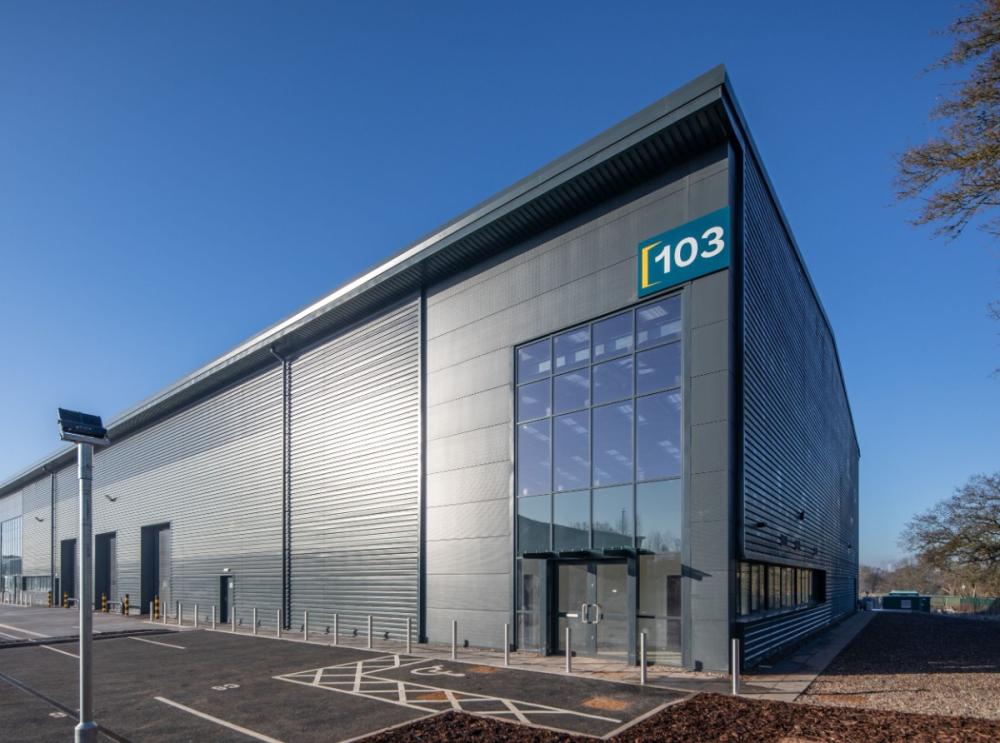
The report found that from 2014 to 2024, strong demand saw Yorkshire businesses occupy two million sq ft of small to mid-box space each year. However, constrained supply has led to demand being suppressed by 44%.
This means that had it been available, businesses would have taken 44% more space to meet their needs, or roughly 890,000 sq ft each year and nine million square feet across the decade.
Yorkshire’s levels of suppressed demand are amongst the highest in the country, exceeded only by the East Midlands and East of England. The lack of availability is leaving occupiers, including ambitious SMEs, struggling as they scale and invest in new and larger premises.
The supply shortage is also leaving occupiers in lower quality units with poor energy efficiency, with only 19% of I&L properties in Yorkshire having an EPC B or above rating. Under proposed Minimum Energy Efficiency Standards, this also means that by 2030 81% of units in Yorkshire will be unlettable, further tightening supply.
Jason Rockett, MD of Potter Space, said: “I&L and warehousing units under 100k sq ft are the lifeblood of the Yorkshire economy, with many SMEs and growing businesses relying on them.
“Across the country, but especially here, this chronic supply shortage is holding back firms that are ready and willing to scale, hampering not only growth plans, but also regional economic potential.
“If there’s a lack of available space, occupiers delay investment, freeze hiring and are left in inefficient buildings that slow operations and make it harder to secure or accommodate new business.”
The BIG Things in SMALL Boxes report identifies essential steps to support the small to mid-box sector. It calls on national and regional leaders to recognise sub-100k sq ft I&L properties as essential economic infrastructure in its growth strategies and planning priorities.
Jason added: “Systemic issues in the planning system are holding back developments which will provide much needed space. For example, stretched planning capacity means it can take years instead of a few months to get uncontroversial plans approved.
“Beyond planning capacity, we need leaders throughout Yorkshire to embrace joined-up thinking and fully recognise and harness I&L’s role in stimulating local growth. We should be seeing better training for planning committees to achieve this.
“The Government is already making progress at national level, and now is the time for strong local delivery. Planning departments need to stop looking in the rear-view mirror and include supressed demand in Local Plans to ensure proactive land allocations which complement, rather than compete, with wider land uses.
“Achieving this will enable industrial property growth and the region will hire faster, invest sooner and produce more.”
The shortened address for this article is: newspub.uk/01yve
Search Results