


search
date/time

Fri, 7:00AM
light rain
15.2°C
WSW 12mph
light rain
15.2°C
WSW 12mph
 | Sunrise | 5:17AM |
| Sunset | 6:49PM |  |
P.ublished 14th August 2026
frontpage
The Government Has Moved Power North. Now Britain's High Streets Need Better Local Intelligence
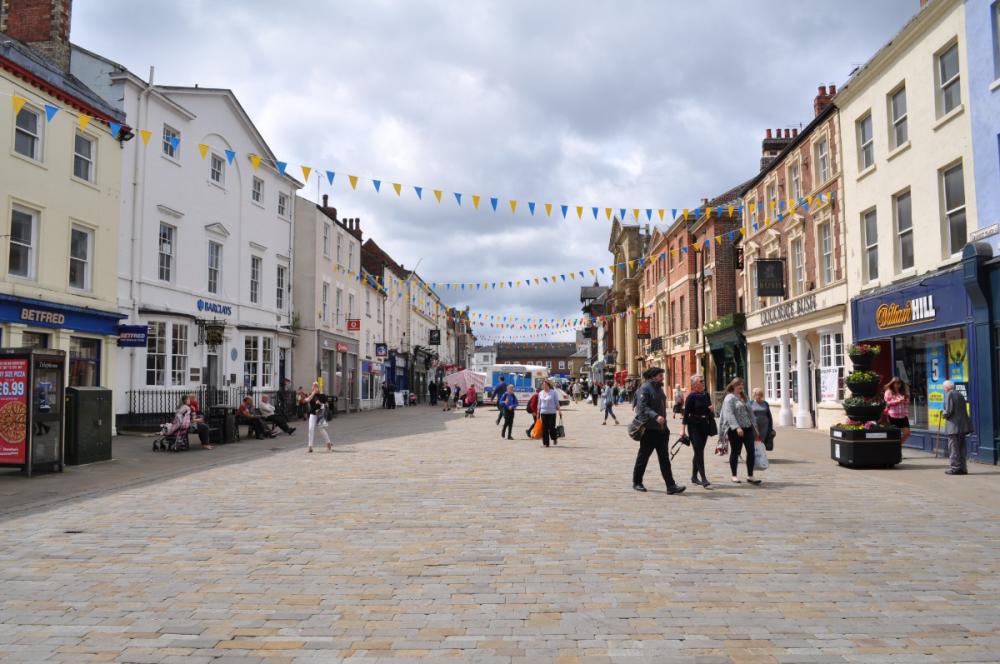
Image by Narcis Ciocan from Pixabay
That combination changes what "good" looks like. Powers and revenue only translate into growth if the decisions behind them are right — and those decisions need to be built on evidence about how local economies actually function, not on national averages or assumptions carried over from Whitehall.
Every mayor and local leader now has good reason to ask a sharper question than "what powers do we have?" It is "what is actually happening in our high streets, our visitor economy, our commuter flows — and where should we spend to change it?" National measures such as GDP, employment and retail sales say little about why one town centre is thriving while a similar one twenty miles away is struggling, or why an investment that worked in one place falls flat in another.
The diversity is the point. A market town serving a rural catchment behaves nothing like a commuter town on a London rail line; a coastal destination has an entirely different rhythm to an inland city. Two neighbouring town centres can look identical on paper — similar population, similar transport links — and still have completely different visitor patterns, spending habits and reasons for decline. Treated as the same problem, they get the same solution, and the money is wasted on one of them.
That is the risk in this new phase of devolution: that decision-making simply becomes more local, without becoming any more accurate. Mayors, combined authorities and local leaders right across the UK now have a genuine opportunity to build place-based strategies rather than borrowing what worked somewhere else — but only if they can see how their own places actually behave, down to individual town centres and high streets.
Clive Hall, CEO of Place Informatics, commented: “Moving No 10 north and giving mayors a share of income tax are both real signals of intent. But financial power only produces good growth if it’s spent on the right things in the right places, and that requires evidence at a level of detail national data was never designed to provide. The mayors and local leaders who get the most from these new powers — in every part of the UK — will be the ones who can see their local economy clearly, not just the ones with the biggest budget.”
The test of this next stage of devolution will not be how much power has moved out of Westminster. It will be whether that power is used well enough to make a measurable difference to the places it was handed to.
The shortened address for this article is: newspub.uk/020id
Search Results