


search
date/time

Wed, 1:00AM
overcast clouds
7.3°C
NNE 7mph
overcast clouds
7.3°C
NNE 7mph
 | Sunrise | 4:20AM |
| Sunset | 7:41PM |  |

Allison Lee
Smallholding Correspondent
P.ublished 11th April 2026
lifestyle
The Joys Of Owning Shetland Ponies
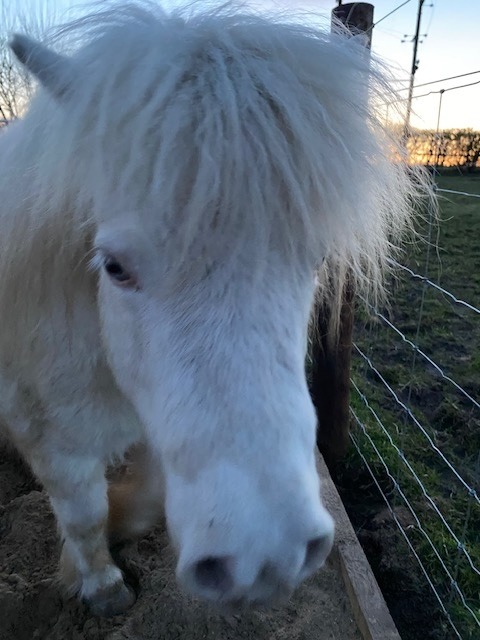
Jo-Jo
Temperament-wise, Shetland ponies are very intelligent. Some are docile, while others can be quite a challenge—I know this from personal experience, owning two of these incredible little animals. One of my Shetlands, Jo-Jo, is well-natured and placid, content to stand for long periods while I brush his coat and braid his mane. Chieftain, by contrast, is the total opposite: Jo-Jo never needs to be tied up when being groomed, but Chieftain needs to be wrestled and must be securely tethered to the fence before I can get near him with a brush. That said, his cheeky, feisty nature doesn’t make him any less adorable.
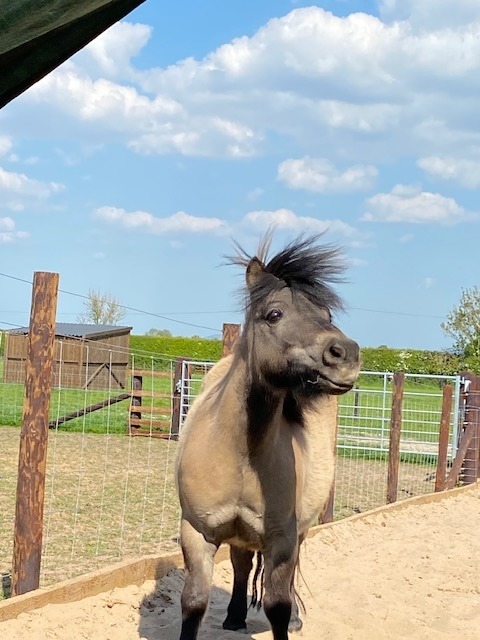
Chieftain Looking Very Handsome
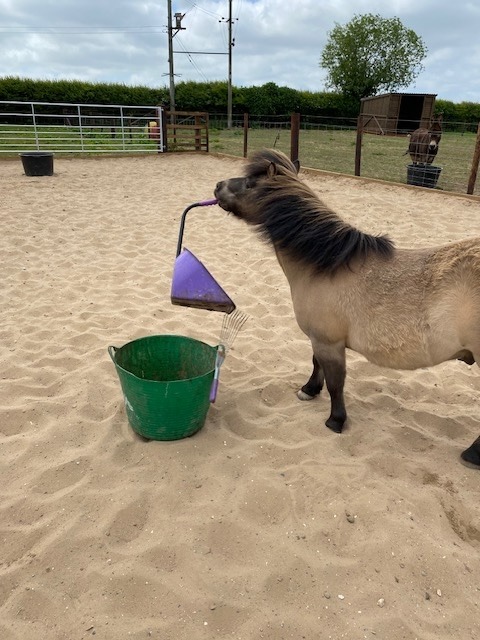
Chieftain Helping with Jobs
Shetland ponies can be stubborn and extremely independent, but they also love company. Deep down, I think even Chieftain enjoys the time I fuss over him.
It is thought that the Shetland pony was introduced to the Shetland Islands over 10,000 years ago and originated from Scandinavia. It is because of its origin that it is a hardy breed, strong and tough, due to the climate in its place of origin and the limited food available there. The Shetland pony, though now more used to being kept as pets and for children to ride, would once have been used to carry heavy loads of peat, coal and seaweed in agricultural life, and during the Industrial Revolution, they were used in underground mines. Their size and strength make them ideal for navigating small, low-ceiling tunnels.
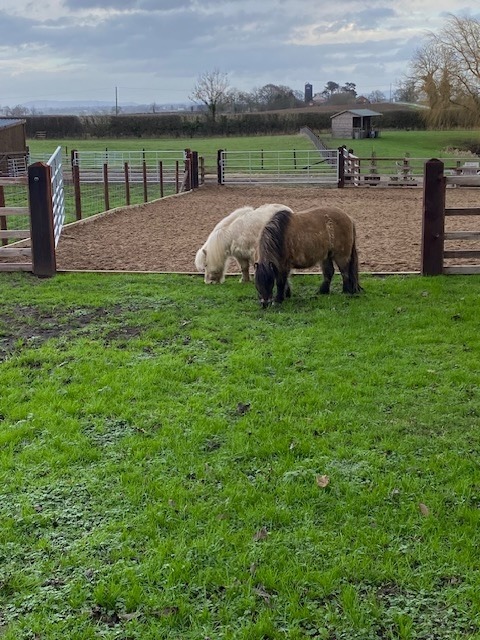
Chieftain and Jo-Jo Enjoying Grazing
Shetland ponies are relatively easy to care for. Farrier visits should be booked every 6 weeks to keep their hooves trim and healthy, and regular faecal worm counts should be carried out to check for worms, administering medication only when necessary. Routinely worming any animal that doesn’t need it should be discouraged, as it may render the medication ineffective. Annual vaccinations should also be given for equine influenza and tetanus, and routine dental treatment is required to keep their mouths healthy.
The main problem to look out for with Shetland ponies is laminitis. Laminitis is a painful condition that can cause permanent damage to the hooves of horses and ponies. Whilst all four hooves can be affected, laminitis is more commonly seen in the front hooves. A horse’s hoof contains sensitive tissue called 'laminae', and it is the laminae that forms a strong bond to support the pedal bone. When laminitis sets in, it causes the laminae to stretch, which ultimately weakens and becomes damaged, which in turn cease to support the pedal bone, allowing it to move within the hoof.
Shetland ponies are greedy and, without proper monitoring, they will quickly become overweight. Being overweight is a major cause of laminitis in Shetland ponies. They have a genetic predisposition to store fat and are highly susceptible to developing Equine Metabolic Syndrome, which is a condition linked to obesity and insulin dysregulation, leading to laminitis.
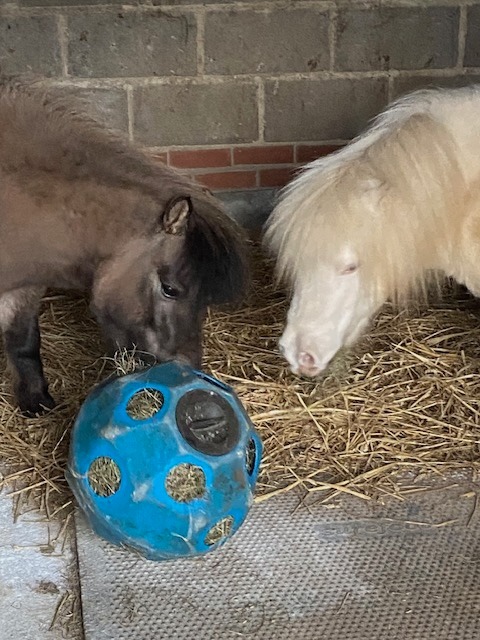
Chieftain and Jo-Jo
It results in insulin dysregulation, leading to high insulin levels in the pony's blood. These high insulin levels are a major cause of laminitis.
The additional weight of the animal puts additional strain on the sensitive tissues, the laminae, inside the pony’s hoof, which can cause them to separate.
Excess far deposits, particularly in areas like the neck, produce inflammatory chemicals that can trigger laminitis.
As Shetland ponies are vulnerable, regular weight management and a strict diet are crucial to preventing this dreadful disease.
Chieftain and Jo-Jo Enjoying Grazing