search
date/time
 | Yorkshire Times Weekend Edition |
Andrew Palmer
Group Editor
P.ublished 20th December 2025
lifestyle
The Soap Opera: How A Yorkshire Business Park Hides France's Best-Kept Secret

What Victoria and Paul Clark have built here isn't just a business importing soap. It's a quiet revolution against the chemical cocktails we've been persuaded to believe we need, wrapped in plastic and marketed within an inch of their lives.
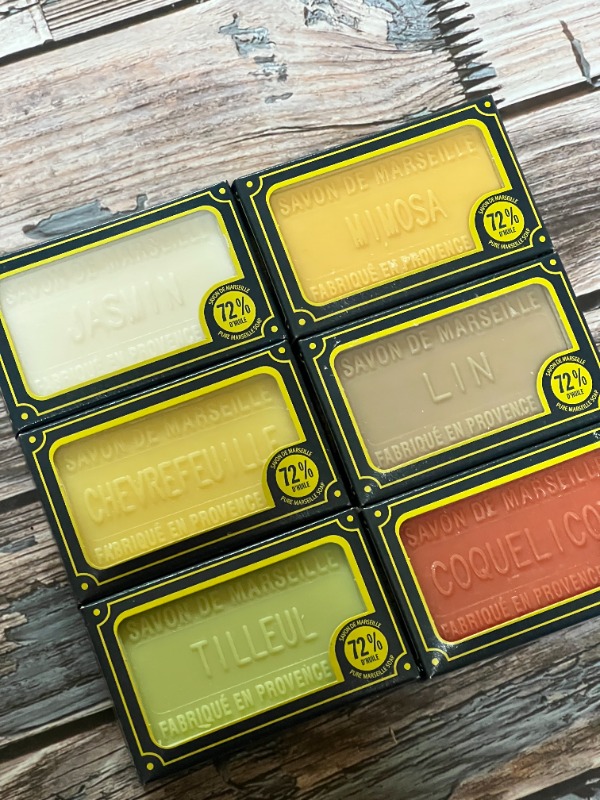
It's this kind of authenticity that drew the Clarks to the business when they spotted potential in a Harrogate soap venture that was started back in 2012. Their previous life was in hospitality & the toy industry, but when the business was put up for sale, they recognised something rare: genuine craftsmanship that hadn't been focus-grouped to death and so decided to invest.
The Multi-Tasker You Didn't Know You Needed
By the end of my visit, the penny drops about versatility. That block of black soap? It'll wash your dog, your pots, your laundry, the barbecue grill, your decking, and your car. Grate it into flakes for the washing machine or add potash for a liquid format. One product, a dozen uses – the antithesis of our shopping habits, where we're convinced, we need separate bottles for every conceivable surface.
"We need to educate ourselves better," Victoria says, handling a bar of goat's milk soap. She's right. When did we forget that our grandparents managed perfectly well with soap for clothes, surfaces, hair and bodies? Today's world has blinded us with branding, persuading us that effectiveness requires sulphates to make bubbles and plastic bottles for every task.
.jpg)
Savonnerie chaudron
The ingredients tell their story. Thyme is a natural degreaser. Lavender vinegar tackles limescale. Sage cleans glass beautifully. Remember when white vinegar was the fabric softener of choice? This recipe isn't some romanticised back-to-basics fantasy – it's recognising that 98% natural ingredients work, without the clever catchlines.
Sustainable Without the Sermon
French Soaps doesn't promote its sustainability efforts, even though it has more justification for doing so than most brands. There is no plastic wrapping on soap blocks – why would you need it? Some products come in compostable gauze and cellulose. Everything is multipurpose and long-lasting by design, not as a marketing ploy.
The question about palm oil receives a straightforward response. "It's about balance," Victoria explains. They use certified sustainable sources as part of a stewardship scheme. "Palm oil is actually good for skin and environmentally responsible when properly sourced.
Coconut oil grows slowly with a longer process. We're looking for responsible choices, not absolutism."
Their customers – boasting an impressive 85% return rate – seem to appreciate the honesty. From their Harrogate base, the Clarks have a national distribution network across the UK, bringing authentic French soap traditions to a wider audience seeking alternatives to mass-market brands. Yes, supermarket brands cost less upfront, but as Paul points out, "Our soaps last three or four times longer. It's actually more economical."
From Fire Masters to Modern Living
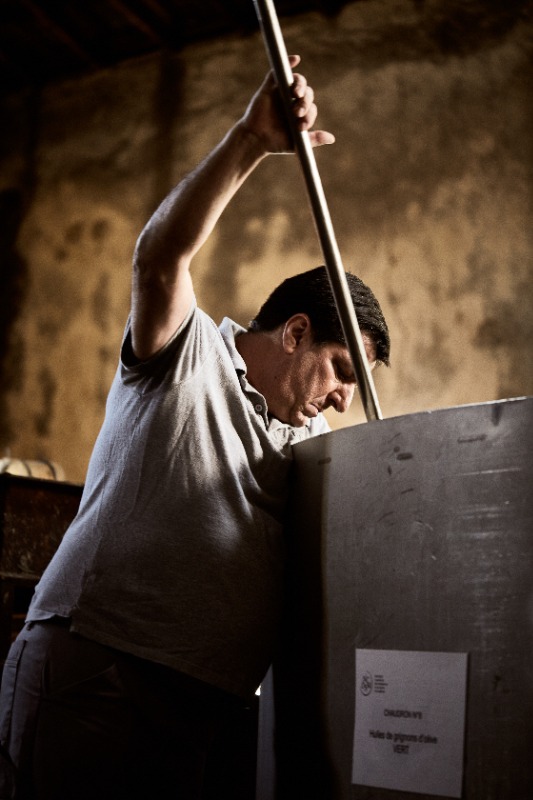
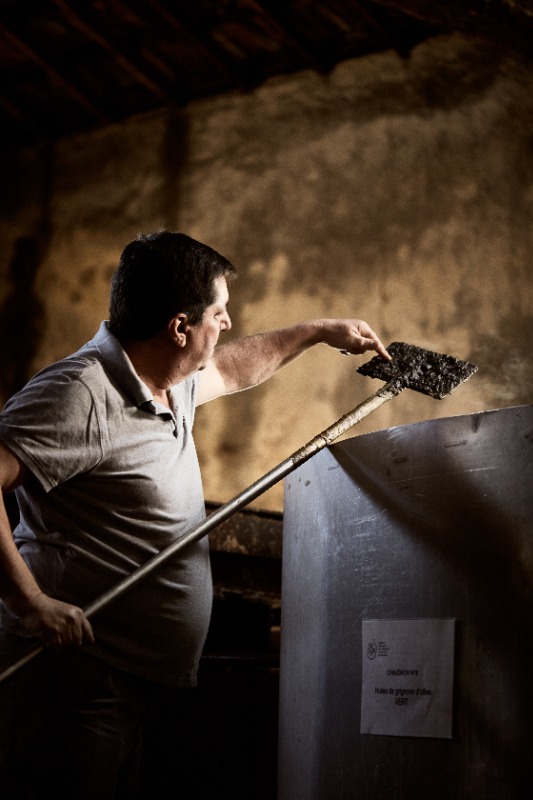
There's theatre in traditional French soap-making that borders on the mystical. Still made in the historic way, experienced "soap masters” taste tiny amounts of soap paste – not for enjoyment, but for quality control. A sting on the tongue meant residual alkali remained; the soap needed another pure water wash. Establishments like Fer a Cheval continue to practise this skill, passed down through generations.
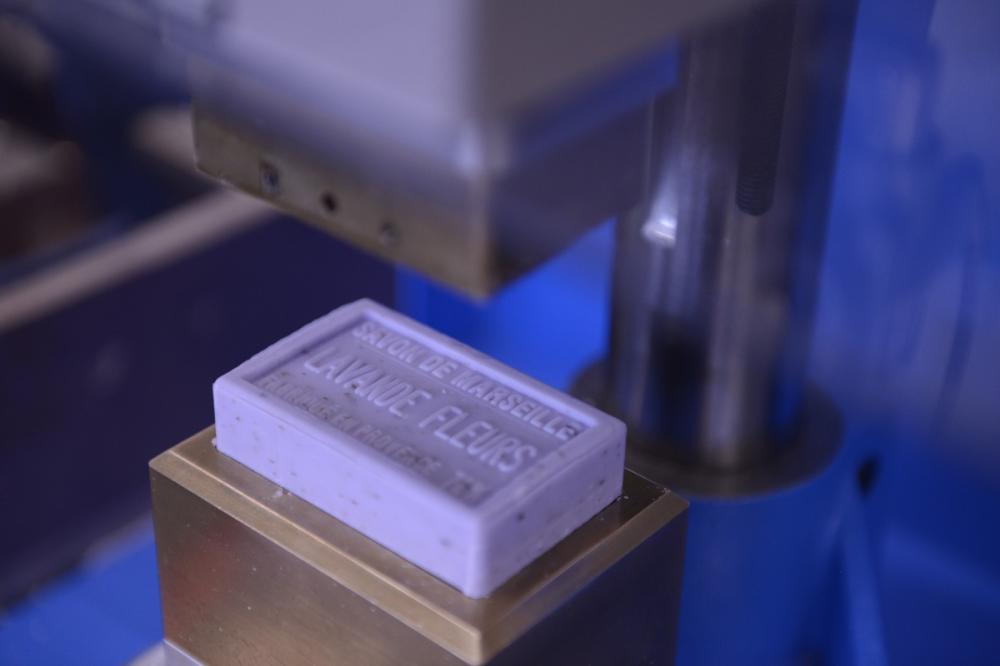
The Clarks have created something unusual: organic growth through recommendations rather than aggressive expansion. They're not chasing the big brands; they're offering an alternative for those who've realised that bigger isn't always better.

Stéphane et Michel
Back at Unit 14, surrounded by bars that have travelled from Syrian olive groves and Provençal workshops, the initial sensory experience makes perfect sense. That subtle fragrance isn't trying to overwhelm – it's confident enough not to. Rather like the business itself: no shouty signage, no hard sell, just genuine products that have been doing their job quietly and effectively for centuries.
Sometimes the most radical choice is simply remembering what works. In a world drowning in plastic bottles and chemical promises, perhaps the future looks remarkably like bars of soap that have been perfected over a thousand years, sitting unpretentiously on a shelf in a Yorkshire business park, waiting to be rediscovered.
The Clarks understand this; they are not primarily focused on selling soap, but rather on providing a solution to the dilemma of excessive options and insufficient quality. One bar at a time, they're proving that less can genuinely be more – and that France's best-kept secret might just be hiding in plain sight in North Yorkshire.
Bleu Jaune Creative