


search
date/time

Thu, 10:00AM
clear sky
21.7°C
W 3mph
clear sky
21.7°C
W 3mph
 | Sunrise | 3:44AM |
| Sunset | 8:34PM |  |
P.ublished 8th July 2026
business
The World Cup Has Filled Yorkshire's Pubs, Now Businesses Need To Make Sure It Pays Off
Jeanette Smith Area Managing Partner in Yorkshire at Xeinadin
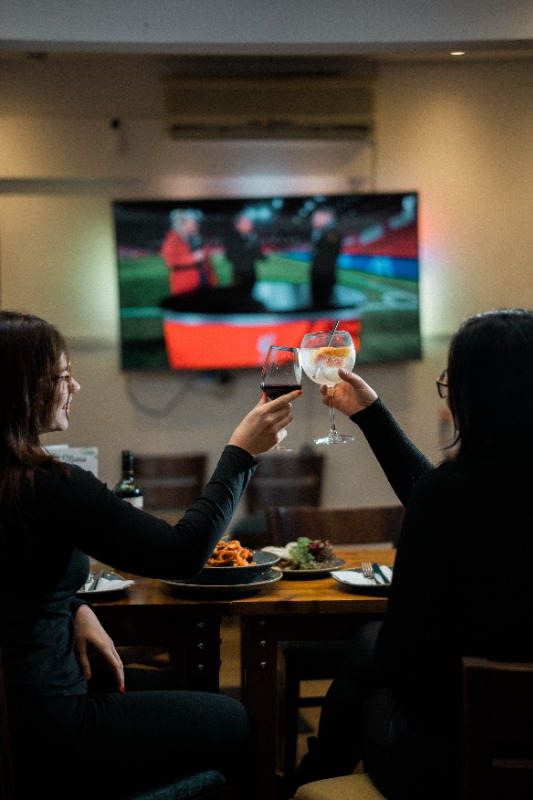
Photo: The Castlebar on Pexels
The businesses that benefit most from the World Cup season aren’t necessarily the busiest. Taking the time to plan ahead can make the difference between stronger profitability and a tournament where increased sales are eroded by rising costs.
The first fixtures should become your planning tool
Rather than relying on assumptions about what will bring in the most business, pubs should review booking trends, footfall and spending patterns to identify which fixtures are most likely to drive revenue and use that information to plan the remainder of the tournament.
Demand isn’t driven solely by England matches. Yorkshire's communities are diverse, and fixtures involving other nations can generate strong local interest depending on the customer base. Understanding who your customers are, and which fixtures resonate with them, allows businesses to plan promotions, staffing and stock levels with much greater confidence.
Cloud accounting software, live bank feeds, and integrated booking and till systems allow pubs to monitor revenue as it happens. That creates the opportunity to update rolling cash flow forecasts throughout the tournament, giving owners a much clearer picture of expected income, upcoming costs and any pressure points before they arise.

Jeanette Smith
During major sporting events, it isn’t unusual for venues to see bookings made weeks in advance, only for cancellations or no-shows to leave empty tables on what should have been some of the busiest evenings of the tournament.
For pubs, that makes revenue protection just as important as attracting customers in the first place. Introducing deposits for the most popular fixtures, offering pre-paid food and drink packages or setting minimum spend requirements for premium tables can all help provide greater certainty. These approaches reduce the financial impact of late cancellations, as well as improve cash flow by bringing revenue into the business before customers arrive.
Simple measures such as automated booking confirmations and reminder messages can also make a difference. A quick reminder before kick-off gives customers the opportunity to confirm or cancel in good time, allowing tables to be reallocated if necessary rather than remaining empty.
Bigger crowds only help if staffing and stock are right
A busy venue can quickly become an expensive one if staffing and stock levels are not carefully managed. While the World Cup presents an opportunity to increase takings, it can also lead to unnecessary costs if businesses prepare for every fixture as though it will deliver the same level of demand.
Using data from the opening fixtures to match rotas and expected demand can help control one of hospitality's highest costs. At the same time, temporary or flexible staffing arrangements may prove more appropriate than taking on longer-term commitments.
Reviewing sales after each match also allows pubs to adjust stock orders as the tournament progresses, reducing the risk of tying up cash in excess stock or increasing waste from unsold products.
Don't overlook licensing and compliance
While the Government has introduced extended licensing hours for certain World Cup knockout fixtures involving home nations, pubs shouldn’t assume every match is covered. Reviewing premises licences early and understanding what permissions are already in place will help businesses make the most of the tournament without leaving compliance until the last minute.
Pubs planning to show late kick-offs, extend opening hours or host outdoor screenings should check whether their existing licence covers those activities. Requirements can vary between local authorities, and in some cases, temporary permissions or licence variations may be needed before changes can be made.
Leaving these checks until the days leading up to a fixture can reduce flexibility and, in some cases, mean businesses miss the opportunity altogether.
Give customers a reason to choose your venue
The football may bring people through the door, but the overall customer experience encourages them to stay longer and spend more. With many supporters able to watch matches at home, hospitality businesses need to think about what they can offer that customers cannot easily recreate in their own living rooms.
Across the county, venues in Leeds and Bradford are combining football screenings with DJs, live music, fan zones, themed food and hospitality packages rather than relying on the match itself to attract customers. Creating an experience that customers can't recreate at home helps increase average spend while encouraging repeat visits.
Family-friendly offers for earlier kick-offs, for example, can help venues appeal to a broader audience beyond traditional football fans.
Planning for lasting success
The World Cup is a short-term trading opportunity that provides lessons lasting beyond the final whistle.
For Yorkshire’s pubs, bars and restaurants, the opportunity is there to turn the increased demand into sustainable profit, while avoiding unnecessary cost and waste. Businesses that balance increased demand with careful planning will be better placed to control costs, deliver a consistently positive customer experience and encourage visitors to return long after the tournament has ended.