search
date/time
 | Yorkshire Times A Voice of the Free Press |
P.ublished 3rd February 2022
family
The Year Of The Tiger At Yorkshire Wildlife Park
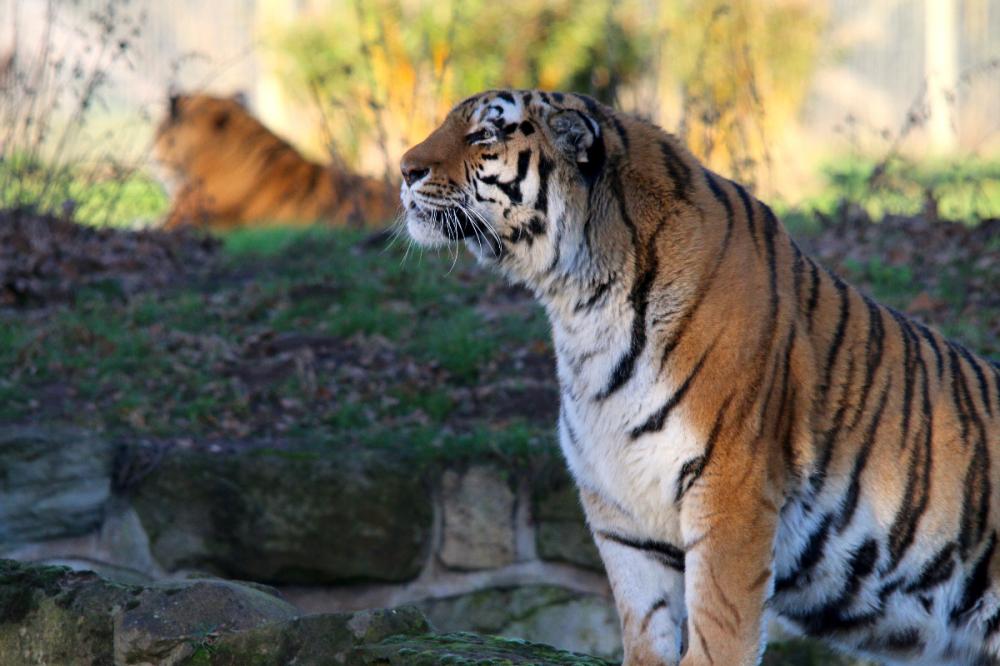
The last Year of the Tiger was in 2010 – a year before Vladimir and Sayan arrived at Land of the Tiger, they were later joined by Tschuna. The tiger trio can be seen on the prowl in the reserve which is one of the largest in Europe. They are part of the international conservation effort to save the species. Amur tigers are critically endangered in the wild with numbers estimated at 500- 550. The Yorkshire weather is no problem for these tigers – their native land is the far east of Russia and into China so they are designed to live in the snow and freezing temperatures.
The tigers are a big hit with the visitors to the Park. They are the biggest of all of the big cats with Vladimir weighing in at around 190kg whilst the females are smaller but no less impressive at 110-130 kg. They are one of the most photographed animals at the Park – Vladimir has particularly piercing eyes and they can be identified by their different stripe patterns on their face. But it’s not always serious business as Tschuna often rolls around playing in leaves or dives into the pool.
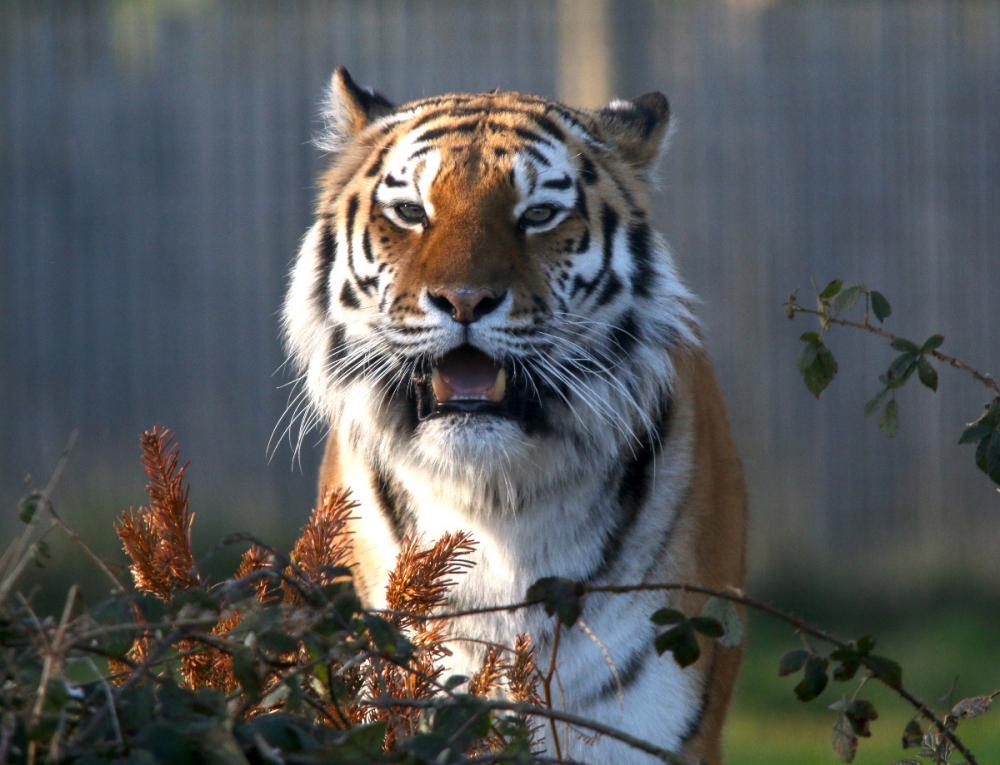
"We are extremely proud at our contribution to conservation efforts to save this species. Just their presence here helps raise awareness and it is great that we can look back now as we celebrate Year of the Tiger.
"One of the most monumental moments was when Tschuna produced the three cubs that were born in 2015. Harley, Hope and Hector have long since grown up and are now at parks around the world as part of the European breeding programme and we are so proud to have been part of that".
Over the years, the Yorkshire Wildlife Park Foundation charity, which is based at the park, with the help of park visitors has raised thousands for tigers which have helped fund conservation initiatives including support for a rescue and a rehabilitation centre in Aleeska, Russia which helps protect and rehabilitate injured Amur tigers. Visitors can donate to support tigers in the wild at www.ywpf.org.
Kim added:
"There is still much to do. During Year of the Tiger we will be redoubling our efforts to help further boost numbers of this species."