


search
date/time

Thu, 10:00PM
light rain
13.5°C
NNW 3mph
light rain
13.5°C
NNW 3mph
 | Sunrise | 6:31AM |
| Sunset | 5:08PM |  |

Andy Harris
Motoring and Property Editor
@ytimesmotoring
P.ublished 5th July 2023
cars
Polestar 2 Gets A Makeover

Polestar is now a standalone brand, sitting with Volvo under the umbrella of parent company Geely. Its modus operandi is to produce a range of performance electric cars for the discerning motorist. Thus far, it seems to have succeeded in its remit.
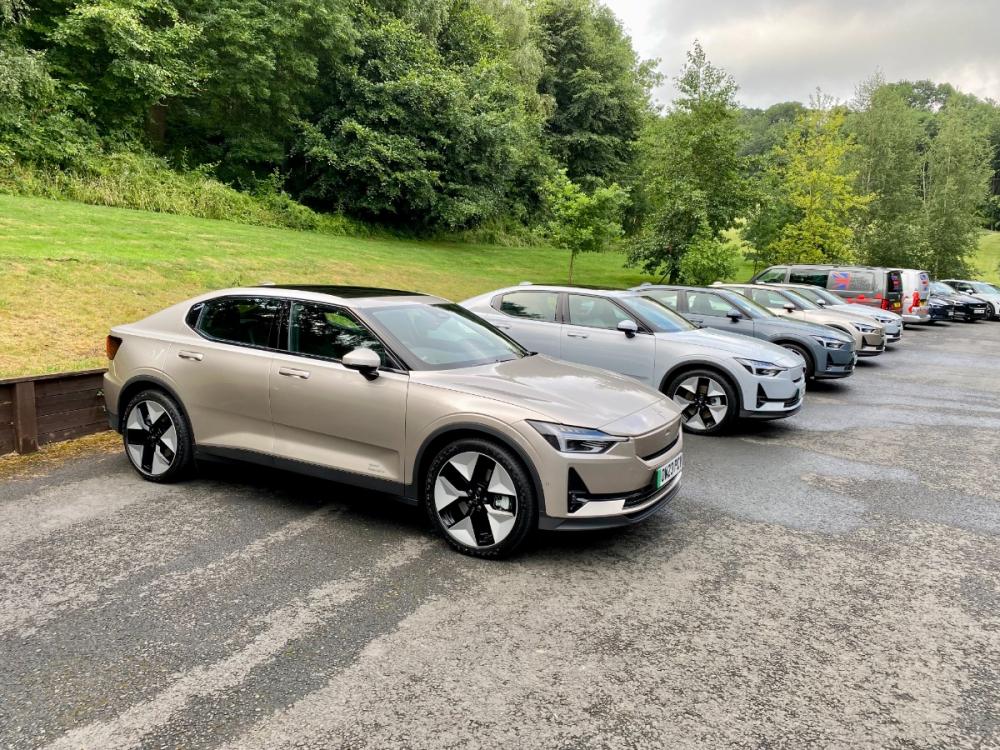
In 2019 the Polestar 2 was unveiled and is the company’s first fully electric high-volume car. They call it an electric performance fastback, which sums it up rather well. All-wheel drive, a powerful 78kWh battery and a certified WLTP range approaching 300 miles were the highlights.
Not wanting to rest on their laurels, the range has recently undergone a revamp and an invite to drive the new car was eagerly accepted.
What’s New?
Polestar has improved the range, efficiency and the performance of Polestar 2 while simultaneously reducing its carbon footprint as part of significant updates for the 2024 model year.
Polestar 2 can now travel up to 22% further, consume up to 9% less energy, and can charge up to 34% faster, thanks to hardware upgrades including larger batteries and new motors.
The Long-Range Single Motor version can now travel up to 406 miles and charging speed is now up to 205kW for versions with the new 82 kWh battery. Most significantly, there is a change to rear-wheel drive for single-motor versions and a rear bias for the dual motor version. The aim is to improve the power delivery and make the car more fun to drive.
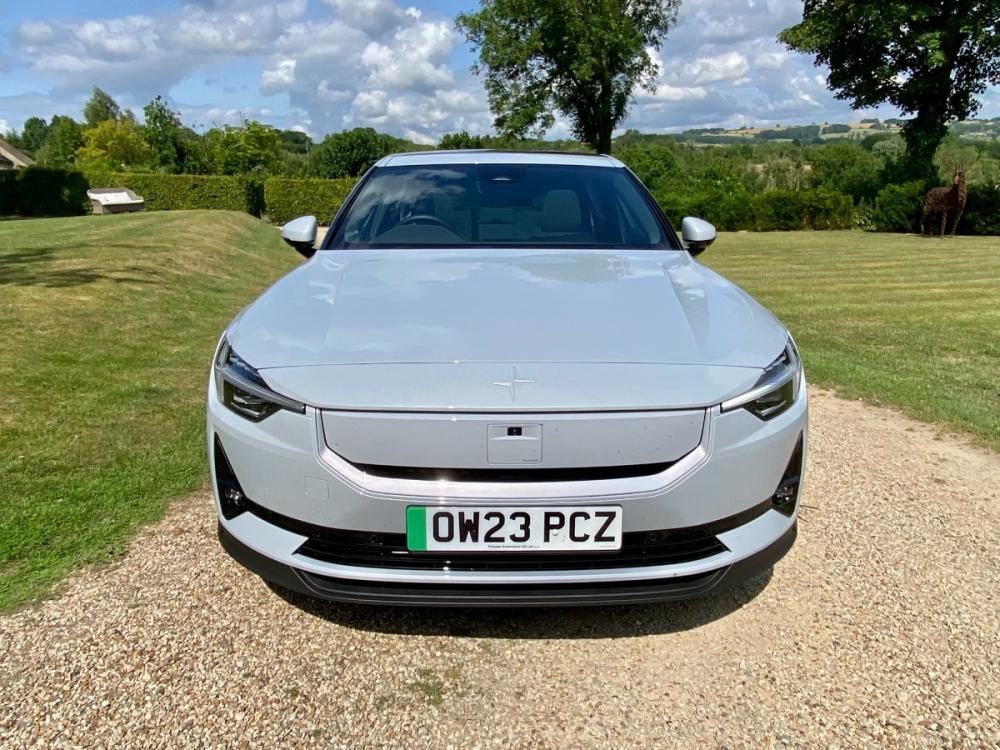
At the launch event, just one version was available to drive, with details:
Fast Facts
Polestar 2 Single Motor (Long Range)
Price from £48,95000
0-62mph in 6.2 seconds
299bhp and 361lb/ft of torque
82 kWh battery
WLTP range up to 406 miles
Charging speed up to 205 kW
Energy consumption 240.3 to 254.8 Wh/mile
Performance fans may well be drawn to the Long Range Dual Motor model which can manage the sprint to 62mph in just 4.5 seconds, reduced by a further 0.3 seconds should the Performance Pack be added. The certified range drops to 367 miles maximum, but of course there will be improved grip with power to all four wheels.Fast Facts
Polestar 2 Single Motor (Long Range)
Price from £48,95000
0-62mph in 6.2 seconds
299bhp and 361lb/ft of torque
82 kWh battery
WLTP range up to 406 miles
Charging speed up to 205 kW
Energy consumption 240.3 to 254.8 Wh/mile
The Standard Range Single Motor model is now capable of up to 331 miles, an increase of 34 miles. Battery capacity is 69 kWh and the charging speed up to 135 kW. This version is priced from £44,950.
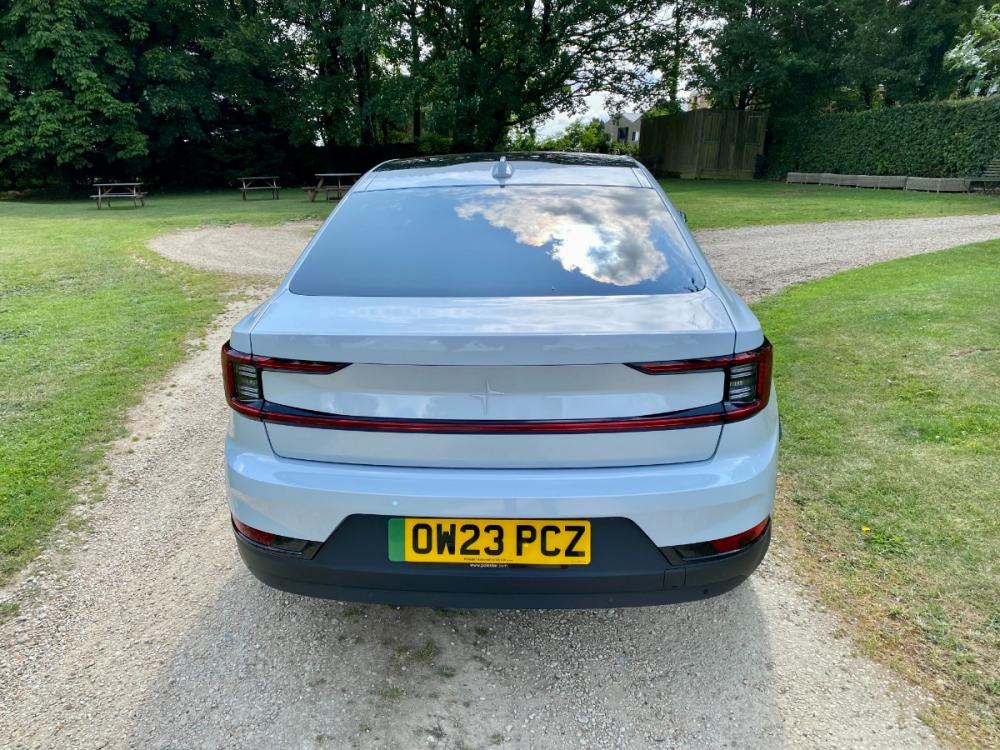
The single motor test car of is suitably brisk to drive, though not as fast as the dual motor version I have driven in the past. That was almost too quick for its own good and if you drive in that kind of exuberant manner, the range is likely to drop dramatically.
Our test route encompassed a good mix of different roads, including some fast motorway cruising. Hushed at high speed, with very little to disturb the calm of the cabin, stability is excellent too. Find a challenging bit of B-road, which I did having missed a turning on the plotted route, and there is fun to be had. The move to rear-wheel drive is immediately noticeable, with the front wheels only now having to point the car in the right direction.
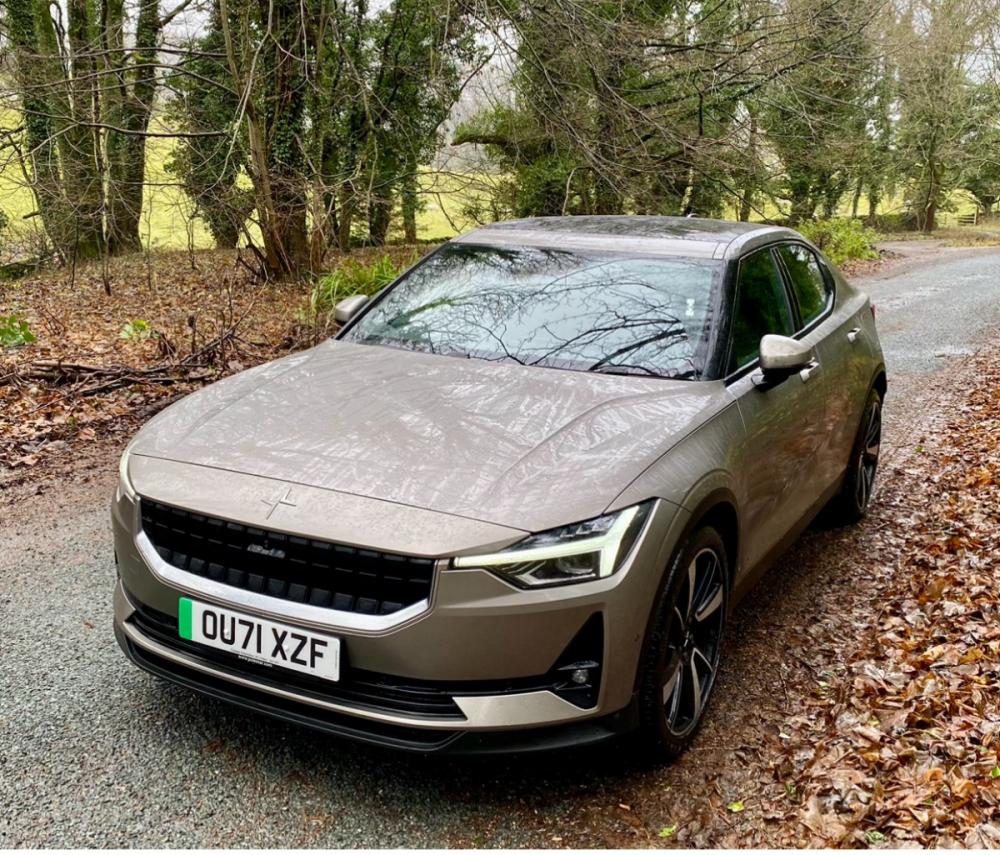
The 'old' front end
There are 3 levels of regenerative braking, which helps put a little back into the battery in everyday driving. In the strongest setting, my default choice, you can generally drive the car without using the brake pedal at all, capable as the system is to bring the car to a complete halt. All EVs should have this facility as it takes a lot of the stress out of driving, especially in stop/start city traffic.
The Polestar boasts a firm ride which I like, though some brittle stretches of tarmac can unsettle the car a tad. It should suit most.
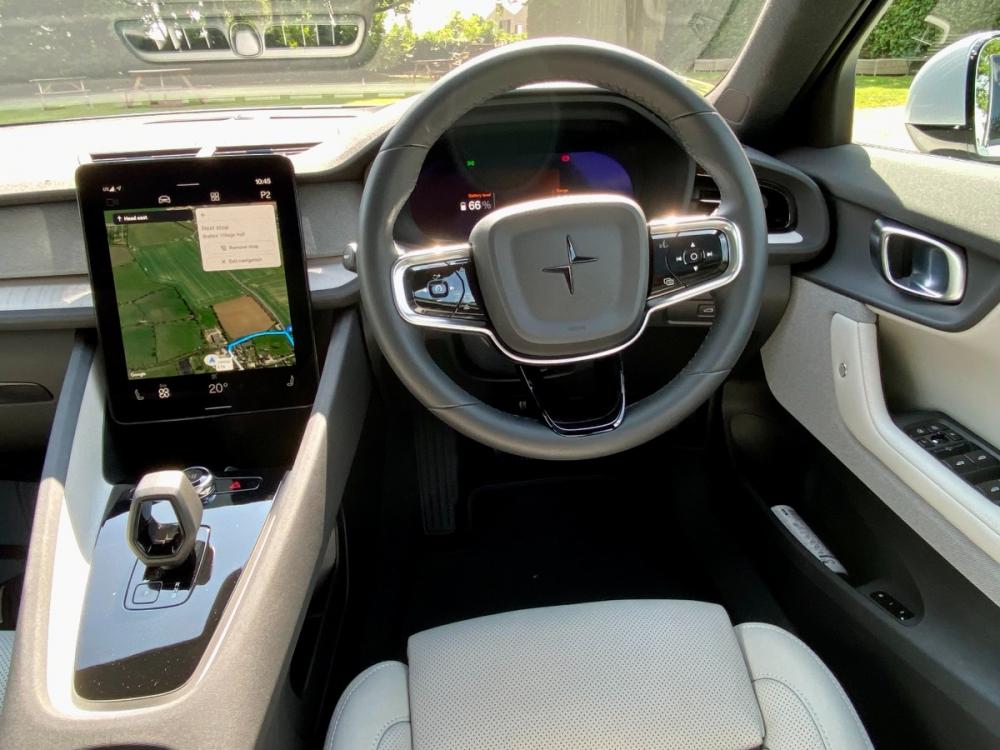
Polestar clearly wish to demonstrate their green credentials, so standard fit materials are vegan-friendly. The front seats proved to be supremely comfortable and accommodating even after many hours behind the wheel.
Two rear seat passengers will be comfortable, though a third occupant will have to deal with a transmission tunnel. The panoramic sunroof bathes the cabin with natural light, though it does eat into the headroom. The glass is tinted to avoid glare, but there is no blind fitted.
Saloon car looks, fastback practicality, the electric tailgate gives access to a 405-litre boot. Up front is a smaller compartment, ideal for storing the charging cables and a few other bits and pieces.
Polestar owners need only to have the key about their person to gain entry and set off. Climb aboard, belt up and select ‘Drive’ and you are off.
The large central screen controls most of the car’s functions. The minimalistic design gives a clean and uncluttered look, but simple functions such as turning the heating up or down do require a few stabs at the screen, with eyes off the road for seconds.
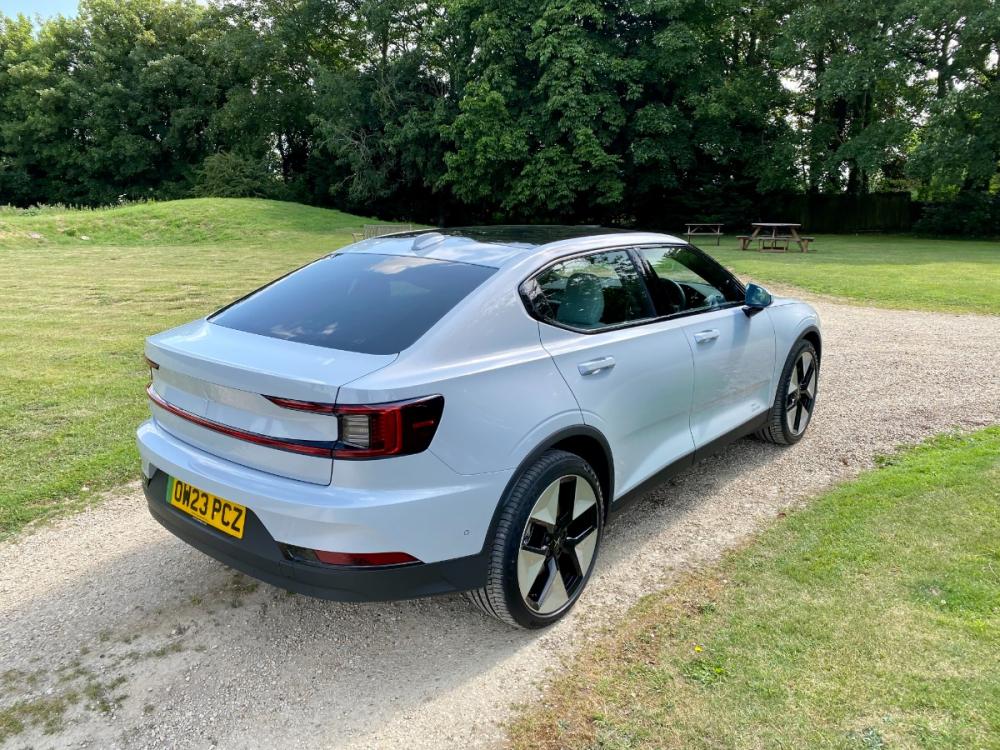
I am now seeing lots more Polestar 2 cars plying the highways and byways, and with good reason. The cars are well made, refined and good to drive, and are brimming with all the latest safety kit. With significant improvements to the range and increased charging speeds, there is more reason than ever to consider Polestar ownership.
So, Tesla Model 3 or Polestar 2? A choice many will likely be making. It is extremely easy. Polestar 2 stands head and shoulders above its American rival in terms of quality, style, and kerb appeal. Only Tesla’s dedicated charging network might sway the decision, but public charging from the likes of Gridserve and Ionity is improving rapidly, so this is less of an issue.
So why not pop on to the online configurator and take an in-depth look for yourself?
Also by Andy Harris...
Citroen's 2CV Concept Wows ParisElectric Versus Diesel – A KGM Musso ShootoutGeely's New Monjaro EM-i To Debut In ParisThe Farmer’s Dog – My Return VisitLuxury SUV The BMW Way – X7 On TestThe shortened address for this article is: newspub.uk/01lae